Anko-ruffles

Anko-ruffle

Although I haven’t manage to post ‘How to Make An/Anko’ yet (‘Tsubu-An’ Making has been posted now), I decided to go ahead with this post by thinking that presumably some readers know what ‘An/Anko‘ is and where to get it. But if you don’t know I will post how to make it shortly.

So have you heard of ‘Anko-ruffles’ before? No? You might have guessed it. Yes, it’s a made-up name from ‘Anko’ + ‘Truffle’ by me. These are Japanese Sweets I created but just look like Chocolate Truffle, don’t they? The taste and texture are completely different. This is one of the easiest Japanese Sweets to make. If you can gain some ‘An/Anko’ by either making it yourself or buying it.

 <Anko-ruffles> (Gluten/Dairy/Oil, Fat Free)

Anko-ruffle with TeaAn/Anko is the most essential ingredient in Japanese Sweets ‘Wagashi’. It is sweet bean paste. The one I used for this sweet is ‘Tsubu-An’ which is made from Azuki beans. If you have a little amount of ‘An’ (An is sometime called ‘Anko’. They are exactly same things) and some powder ingredients, you can make Anko-ruffles!

As the dry powder ingredients I used ‘Matcha’ Green Tea, another Japanese substance ‘Kinako’ and Chocolate Powder for this time. I will talk about ‘Matcha’ Green Tea and ‘Kinako’ in separate posts.

Continue reading

Sakura Manjyu

Web C

I’m in the middle of the report about the visit in Japan. However, I created this sweet from being inspired by Sakura/Cherry blossom in Japan in Spring time and cannot resist introducing them here any longer.

flower for web


[Sakura Manjyu]

Yes, these are the sweets I have used for the banner of this website. It is a type of Japanese sweet called ‘Nerikiri’. Its ingredients are white bean, sugar and rice flour. That’s all! So they are free from gluten, egg, dairy and even oil/fat. Very simple but it need a bit of practice to shape each one of them by hand into Cherry blossom or petals.

without leaves C

The Rice Flour used for this is ‘Shiratamako’ which is made from glutinous rice ‘Mochi-Gome’. Although it is called ‘Glutinous’ this stickiness of rice is coming from the molecules of ‘Amylopectin’ and not from Gluten. The difference is that Gluten is Protein found in wheat and Amylopectin is a huge starch compound made of many sugar like molecules connected to each other so that it is Carbohydrate. They are completely different substances. By adding a small amount of sticky rice to ‘Shiro-An (White Bean paste)’ the texture becomes stretchy and bendy just like plasticine. When I add a little bit of natural food colouring it becomes more like a real cherry flower?

Web C 3 copy

When I have a market stall people often think these ‘Nerikiri” sweets are marzipan, but “NO” they are nothing like marzipan. You can shape each individual sweet by hand as you like so that it has to be skillfull to make ‘Nerikiri’ and the process is very time consuming. Among all Japanese sweets they are rather posh ones, I must say. They are often used for traditional Tea Ceremony because of its sophisticated delicate finish.

Although it is simple enough to make ‘Nerikiri’, in order to understand this sweet I have to start from explaining how to make ‘Shiro-An (White Bean Paste)’ first. It means I have to wait to post this recipe until I mention ‘Shiro-An’ making. Sorry for keeping you waiting. 💓

Blueberry Cheese Daifuku

webC 1

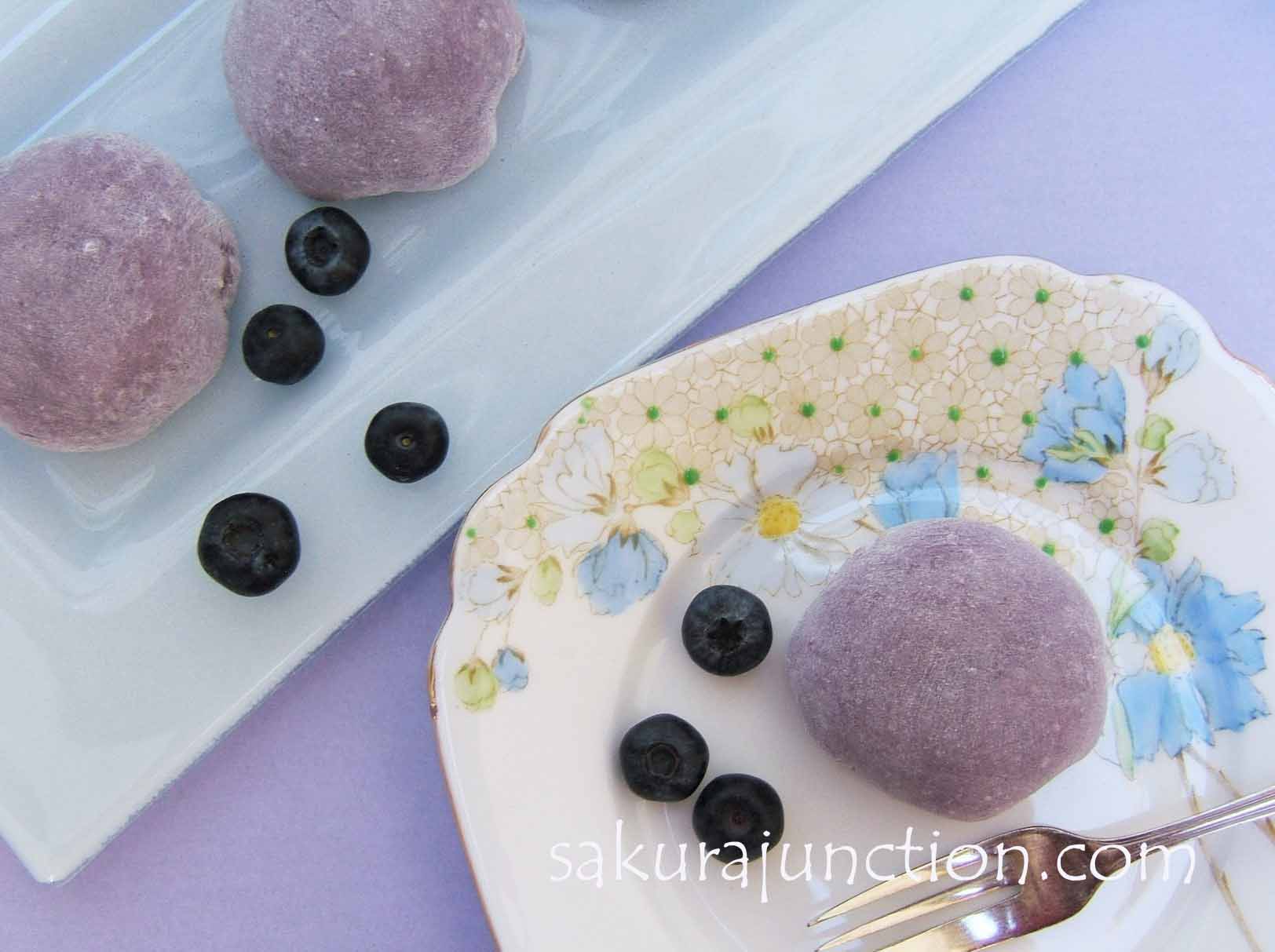
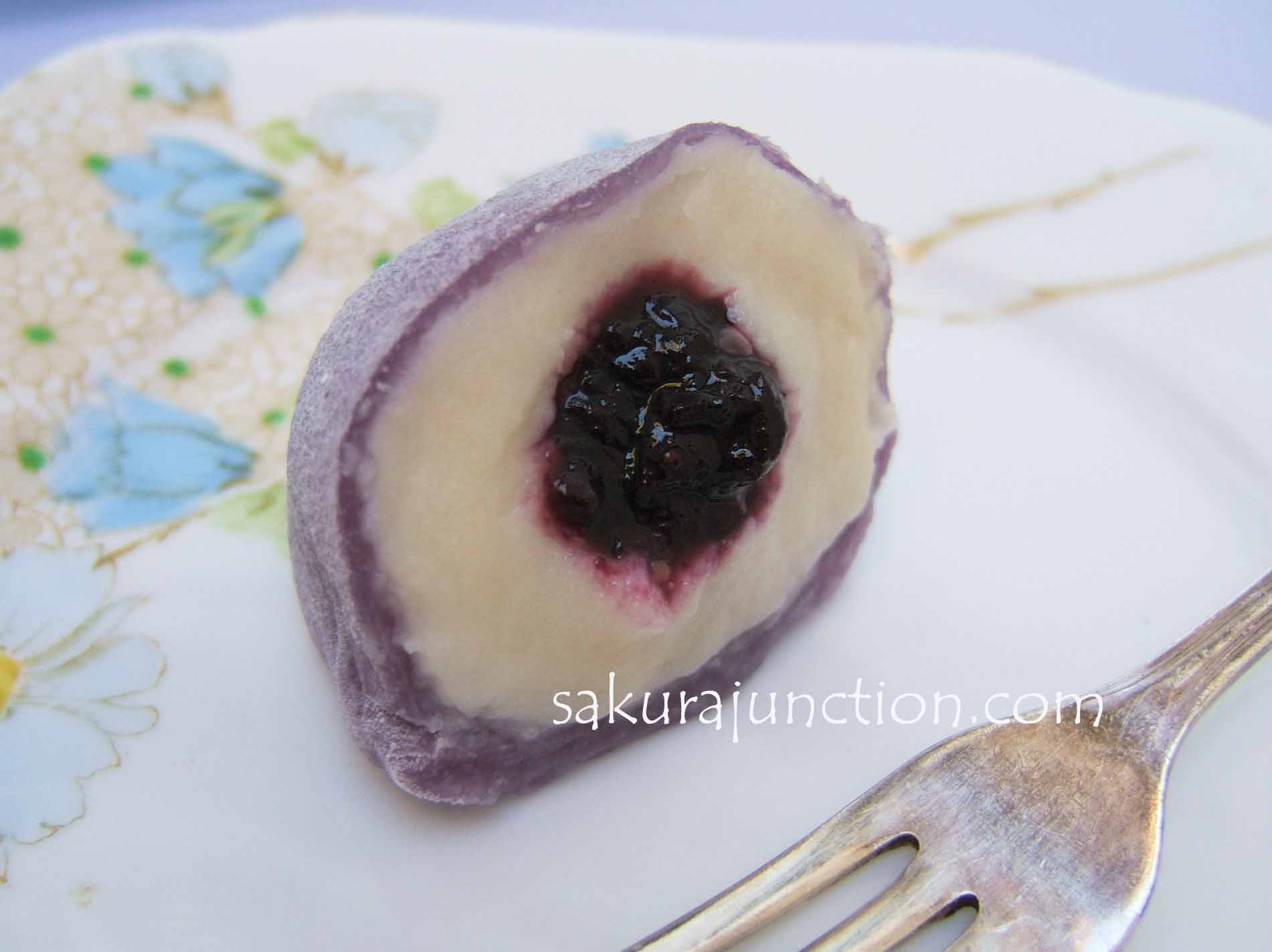
Cream Cheese-An (Sweet White Bean Paste base) and Blueberry Jam centre wrapped up with Blueberry infused soft Mochi (Rice Cake)

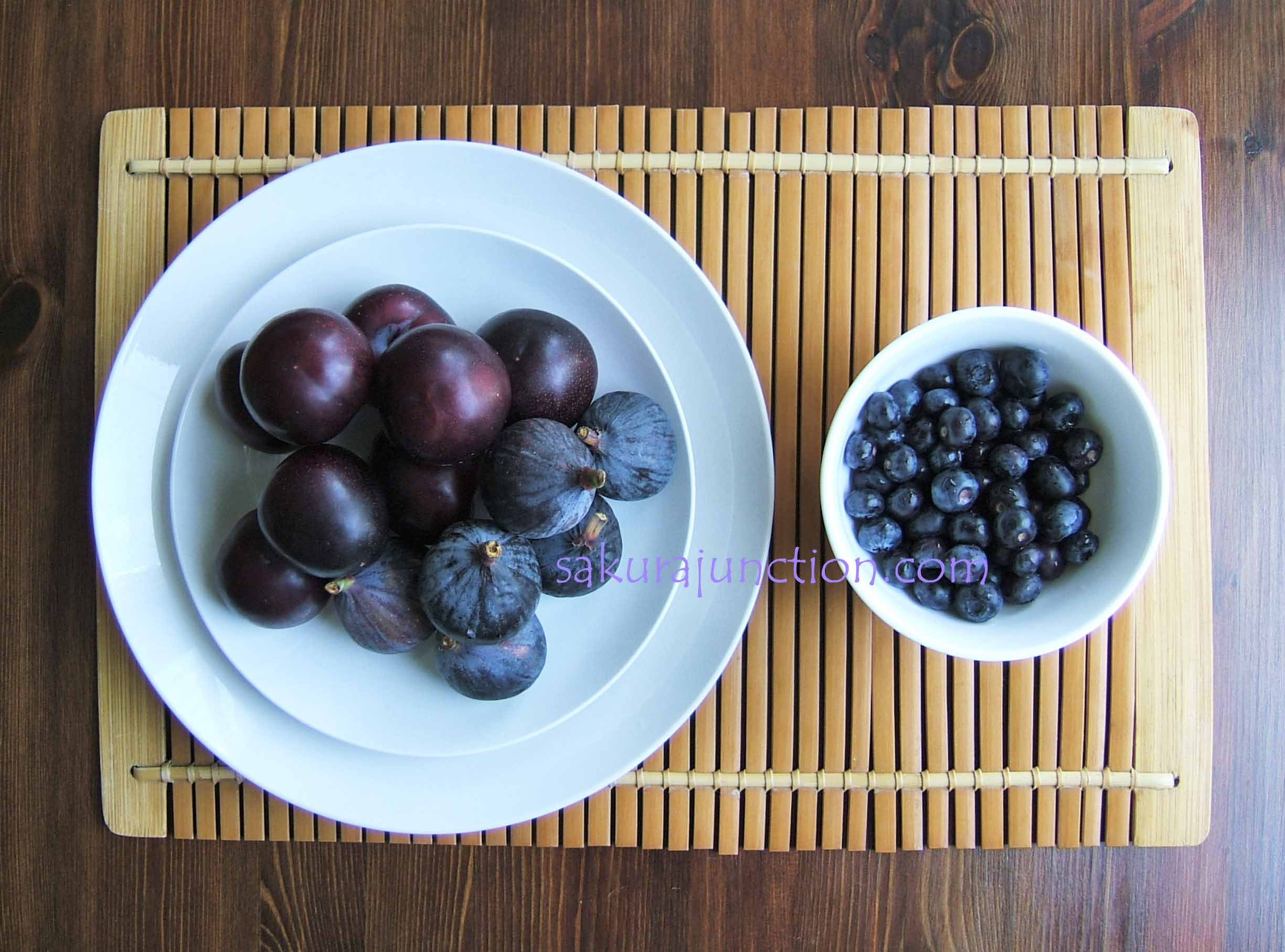
Since I sub-named this site as ‘Japanese Food and Everything Else’, I could not think of starting a post with non-Japanese food on this blog. But there was a problem. We have a huge variety of fruits at home at the moment. They are plums, kiwi fruits, grapefruit, banana, blueberries, apples and figs. I have to use them. I wanted to make something I can post on this blog by using them. However, these fruits are more suitable for western sweets rather than for Japanese. So I had to think what I can do to make something Japanese with western fruits.

And then my eyes focused on one of the fruits.

webC

Blueberries!

However, they look too western! So I gave a challenge to myself on turning Blueberries into Japanese Sweets.

M’s Blueberry Challenge!
Here is the outcome of my challenge ‘Japanese Sweets with a western twist’.

 <Blueberry Cheese Daifuku>
webC 2

‘Daifuku’ is one type of Japanese sweets that An (Sweet Bean Paste) is wrapped up with Mochi (Rice Cake). Usually the An used for Daifuku is either Tsubu-An (Azuki Bean Paste) or Shiro-An (White Bean Paste) and both go well with most of fruits. So the flavour of Blueberry should also go well with this idea.

But it has such a western face, then I had to give a little bit of twist in Daifuku for making it slightly more western.

The solution was ‘Cream Cheese’. I am going to use Cream Cheese-An’ for this sweets. Basically the idea is making a Japanese version of Blueberry Cheese Cake.

webC 3

It was the first time for me to make ‘Cream Cheese-An’. I have not had it anywhere else yet but the taste of the ‘Blueberry Cheese Daifuku’ was just what I wanted. Soft smooth Cream Cheese-An matched very well with Blueberry Jam. A hint of White Bean Paste’s mild taste combined all the flavours into one.

Obviously it is not Dairy Free but it is still Free from Gluten, Fat/Oil and Egg. It was a good attempt. Success!

Happy Healthy Eating!