Chilled Salad Ramen / 冷やし中華

chilled ramen 2

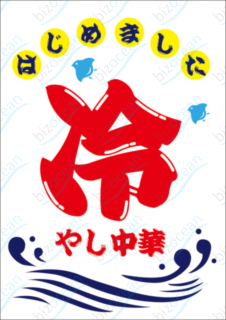
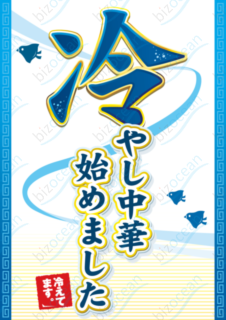
When the temperature starts rising and Summertime is coming closer, you see these kind of poster or flag at the entrance of restaurant in Japan.

       518405_m     518411_m

It says ‘We have started serving Chilled Ramen’. Oh yes, Chilled Ramen! We like Ramen very much and we eat it cold too. It is our Summer Tradition. Summer in Japan is very hot and humid. We cannot survive without eating Chilled Ramen!

Continue reading

Matcha Soy Latte (Chilled)

Matcha Soy Milk

It is mid summer now. Even here in London it is very hot. I always have afternoon tea with a piece of cake and a cup of Earl Grey Tea or Coffee, but sometimes I rather want to have something cold instead of a hot drink during summertime.

This chilled Matcha Latte is used with Soy milk so if you are allergic to dairy or just don’t wat to have any milk products this is just the drink for you.

Continue reading

What is Kinako (きな粉) ?

Kinako

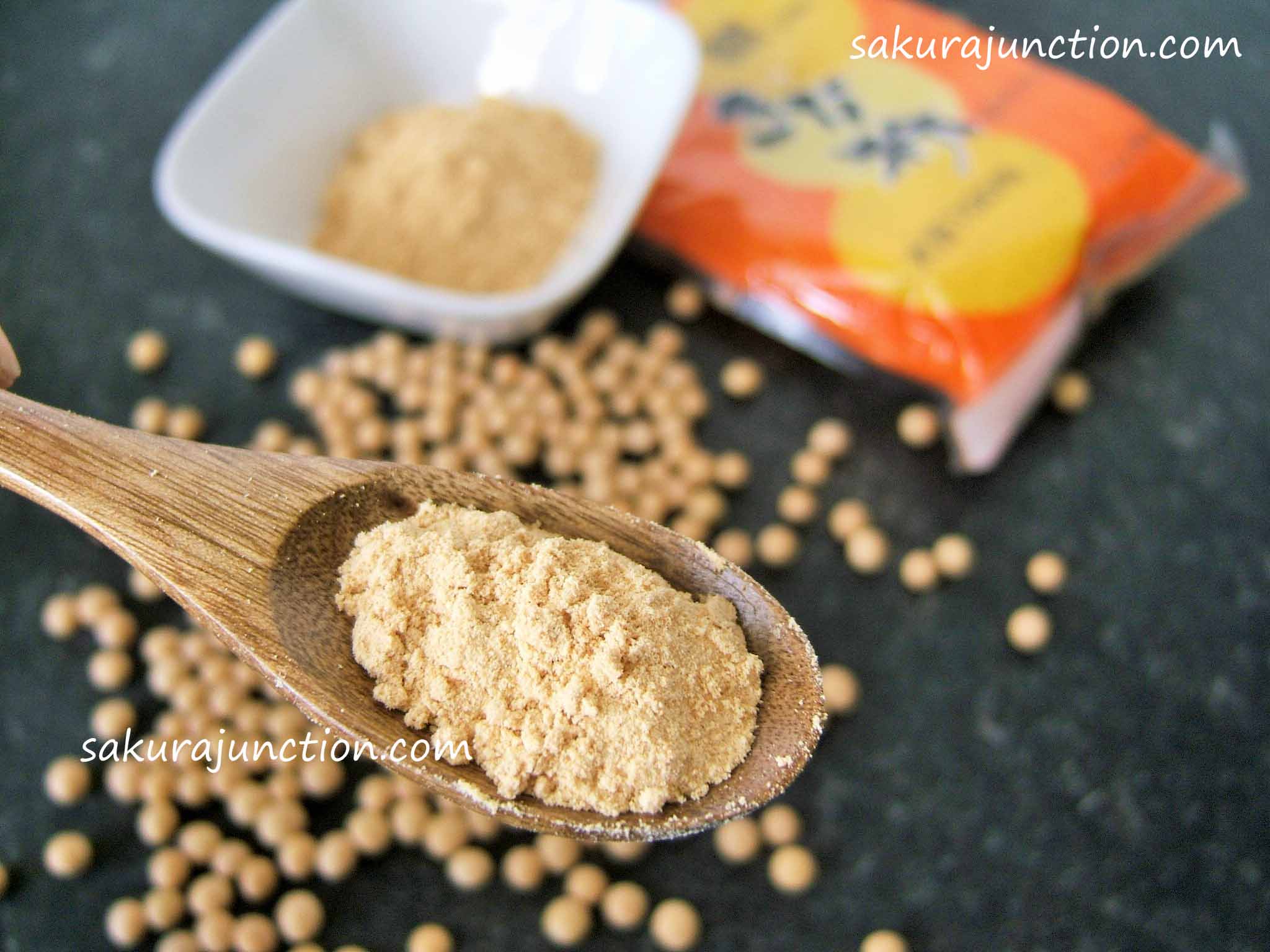
Have you heard of ‘Kinako? If you like Japanese sweets, Kinako is one of the ingredients you come across occasionally. It is a yellowy powder substance that is made of Soybeans. You can make it at home but I recommend to get it from a shop because it is very hard work and also it is probably much nicer, from my experience anyway.

When I was a high school student our domestic science teacher made us study about certain Japanese food ingredients. My group chose ‘Dried Shiitake Mushroom’ and some other group chose ‘Kinako’. They made home-made Kinako and we tried tasting it during the class. I remember that it tasted quite the same as the one from the shop but the texture was far too dry and we felt almost like choking. So, you don’t have to try making it by yourself. Get it from a Japanese Food shop.

Continue reading

Anko-ruffles

Anko-ruffle

Although I haven’t manage to post ‘How to Make An/Anko’ yet (‘Tsubu-An’ Making has been posted now), I decided to go ahead with this post by thinking that presumably some readers know what ‘An/Anko‘ is and where to get it. But if you don’t know I will post how to make it shortly.

So have you heard of ‘Anko-ruffles’ before? No? You might have guessed it. Yes, it’s a made-up name from ‘Anko’ + ‘Truffle’ by me. These are Japanese Sweets I created but just look like Chocolate Truffle, don’t they? The taste and texture are completely different. This is one of the easiest Japanese Sweets to make. If you can gain some ‘An/Anko’ by either making it yourself or buying it.

 <Anko-ruffles> (Gluten/Dairy/Oil, Fat Free)

Anko-ruffle with TeaAn/Anko is the most essential ingredient in Japanese Sweets ‘Wagashi’. It is sweet bean paste. The one I used for this sweet is ‘Tsubu-An’ which is made from Azuki beans. If you have a little amount of ‘An’ (An is sometime called ‘Anko’. They are exactly same things) and some powder ingredients, you can make Anko-ruffles!

As the dry powder ingredients I used ‘Matcha’ Green Tea, another Japanese substance ‘Kinako’ and Chocolate Powder for this time. I will talk about ‘Matcha’ Green Tea and ‘Kinako’ in separate posts.

Continue reading

Ginger Pork Salad

Ginger Pork Salad

This is a Salad suitable for summer time. It is the Salad as a main dish when you want to eat lots of fresh vegetables/salad and also meat to energise the weakened body in heat. I had diced pork which is normally used for stew or curry but I did not want to cook anything for long time. Summer time cooking should be simple & quick.

When I use Pork I always associate with ginger without a fail. Not just because the favour combination goes well, but ginger kill the porky smell. And most amazingly ginger has the enzyme which breaks down protein so that any meat becomes much more tender by marinating with it. Also Ginger is famous for lots of health factors such as immune system booster, anti-oxidant or anti-inflammatory etc… So why not use fresh ginger more often?

Ginger Pork Preparation

Continue reading

Food Industry Art in Japan

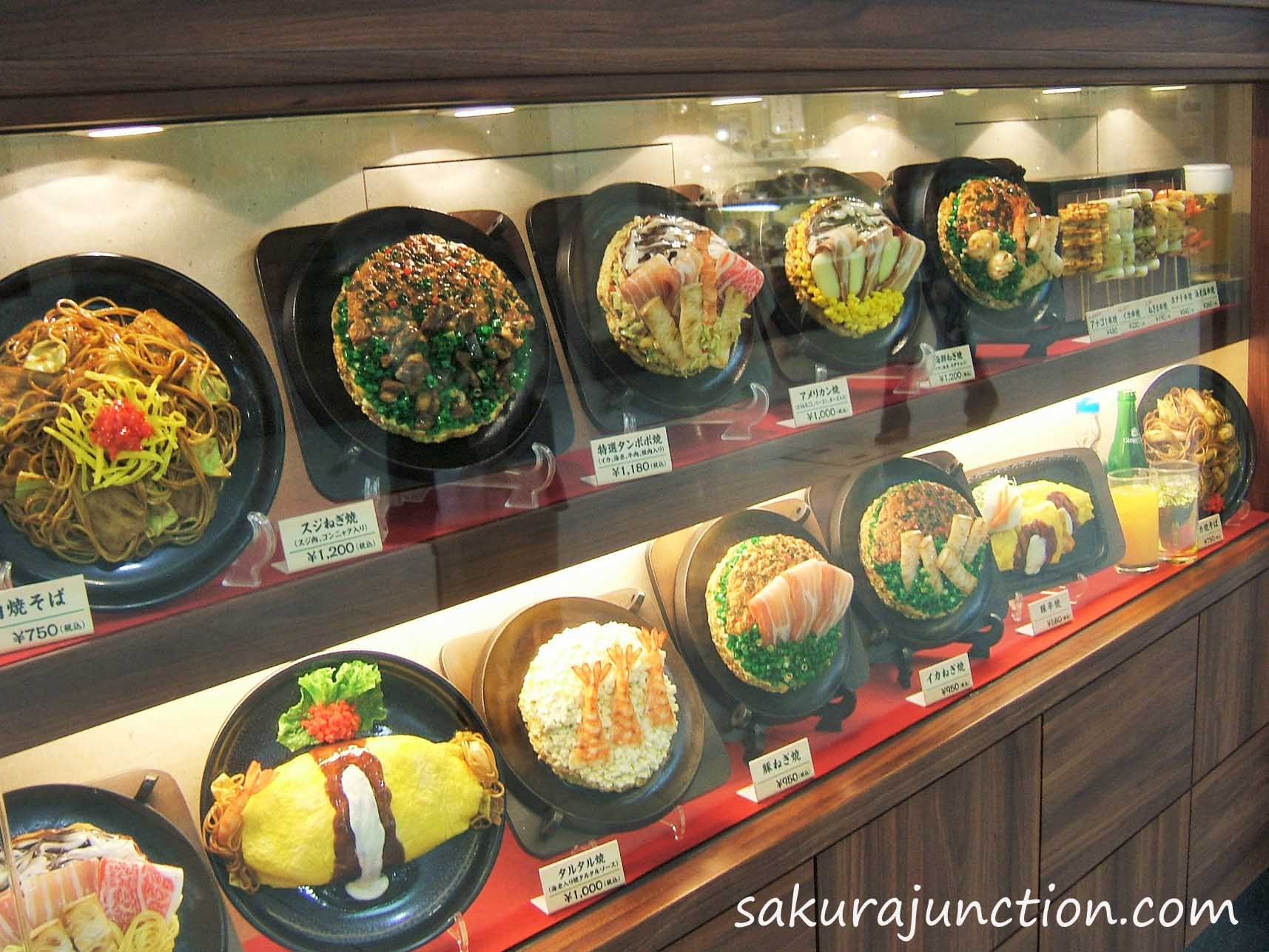
Window Display of a Restaurant in Japan

They look delicious, but you cannot eat them?!

This is the last post on the Report of my visit to Japan. It is also supposed to be the post for Day 4 (yes, I am a little bit behind) of the ‘Blogging101’ so I am adding an element  I haven’t done yet.

Pasta ModelsWe Japanese say “Eat food with our eyes”. As well as being tasty Food has to be colourful & beautiful.

Looks delicious but not edible

You might know there is a unique Industry in Food Business in Japan. It is Food Model making for window displays. In my childhood they were everywhere. Almost all restaurants had them at their entrance. The purpose is simple. They show what the foods of the restaurant look like, the kind of ingredients the dishes have and most importantly they are there for attracting customers!

Continue reading

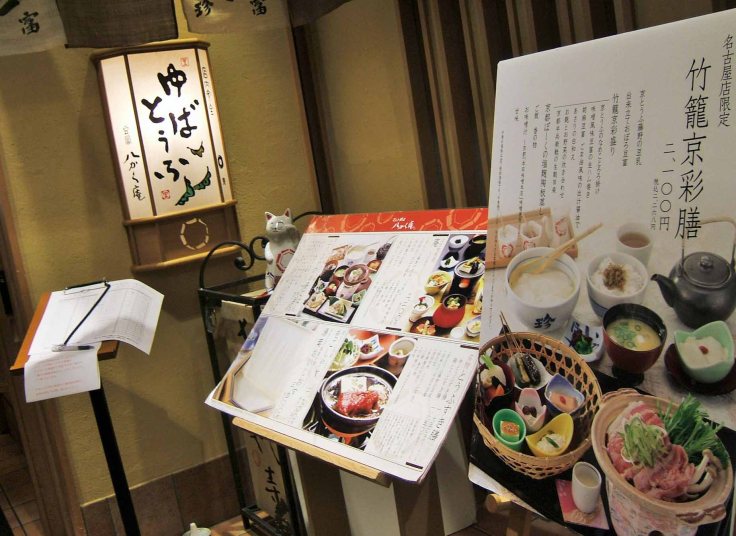
‘Hitsumabushi’, Tofu and Ultimate Fast Ramen in Japan

restaurant web

During my stay in Japan I went to several restaurants and enjoyed Japanese food very much. Only the problem was that I tend to forget taking photos. So these are the only photos I can show you here and the rest of the food just stays in my mind and my stomach. Sorry.

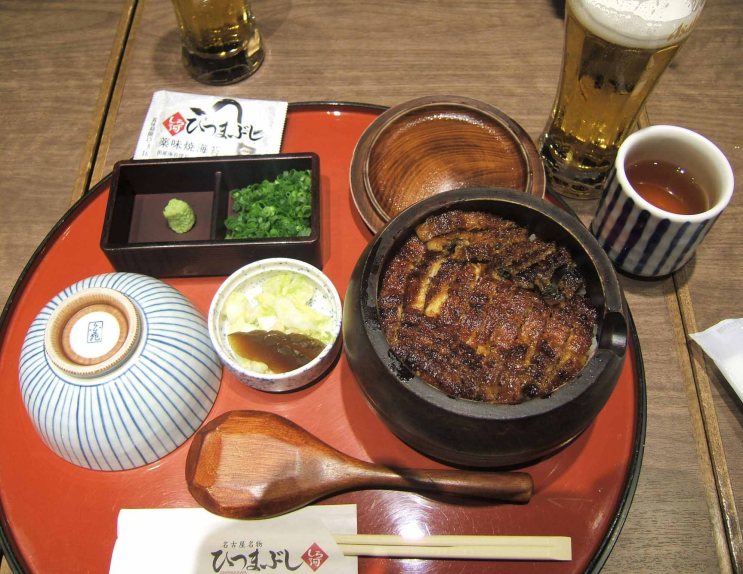
My home town Nagoya became one of the Foodie Capitals (check ‘Nagoya Meshi’) in the last 10 years or so. That was after I started living in the UK so I am not quite sure which food actually belong to this category, however, I can tell you that the biggest of all Nagoya-Meshi is certainly ‘Hitsumabushi’.

Hitsumabushi web

‘Hitsumabushi’ – Grilled Eel in O-Hitsu the wooden pot

Continue reading

Visit to Japan – Onsen Inn and the Dinner

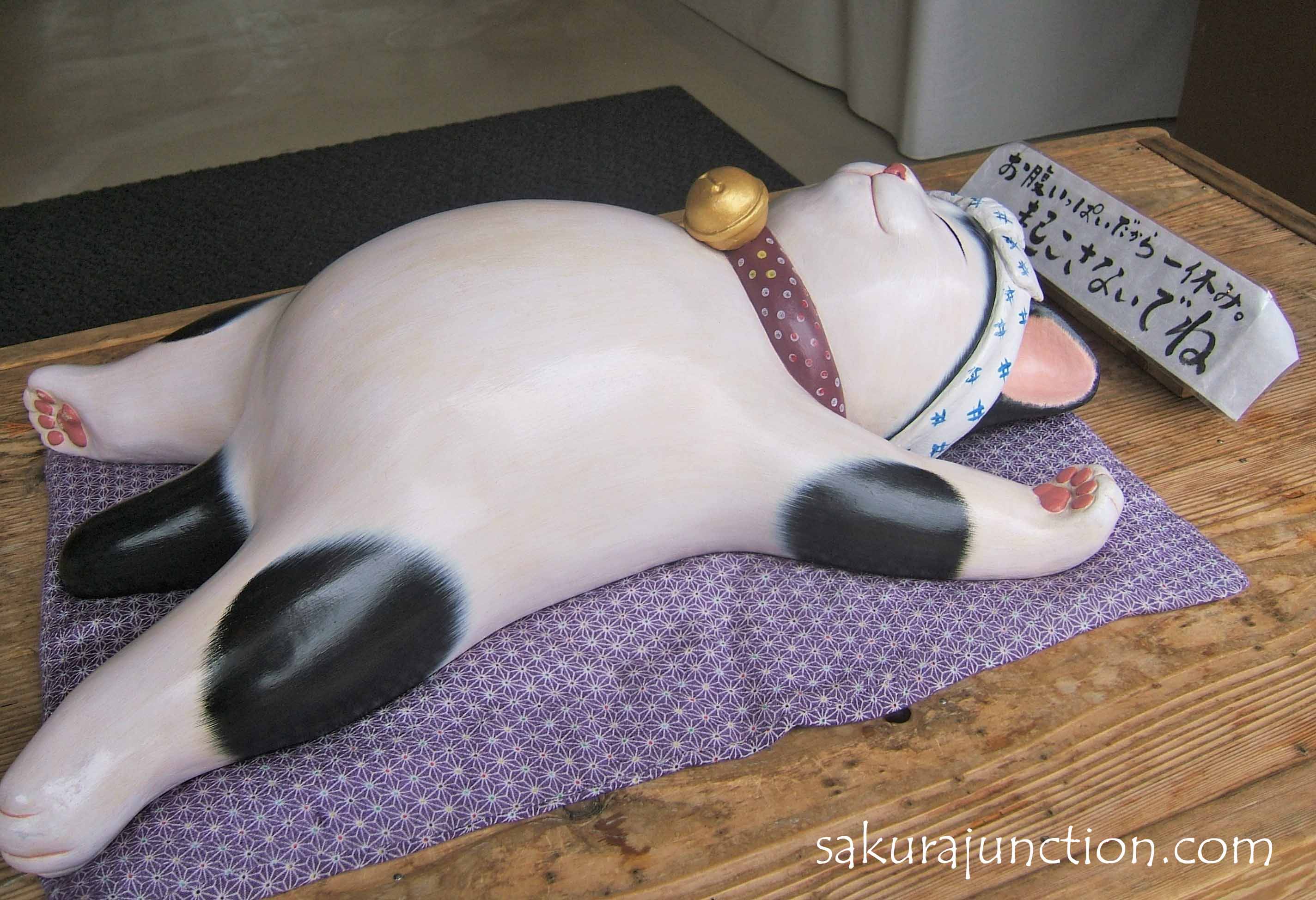
web cat withC.

Huge Cat statue at Okage Yokocho in Ise says ‘Please do not wake me up because I’m so full up’

Now I am going back to my report on visiting Japan.

When you go to stay in Japan there are many things you really should do (apart from viewing Sakura blossom in springtime). One particular thing you should NEVER miss is staying in ‘Onsen (Hot Spring) Inn’. Unlike the western hotels the evening meal and breakfast are strongly part of the stay and they are rather good ones. Japanese Inns quite often serve very traditional food with lots of local delicacies.

  During this time of my stay I went to visit Toba where locates by the sea and went to Ise for visiting one of the biggest Shinto Shrines ‘Ise Jingu’ the following day with my mother.

After checking in to the Onsen Inn we were welcomed with a little Japanese sweet and ‘Matcha’ Greet tea. After resting a little in our own room we moved onto our mission – bathing in Onsen! The Onsen had an outside space which faced to the sea directly.

By the way Onsen is normally a public bath sharing with other visitors. All the Inns have a separate bath for men and women but there are some baths for both genders occasionally.

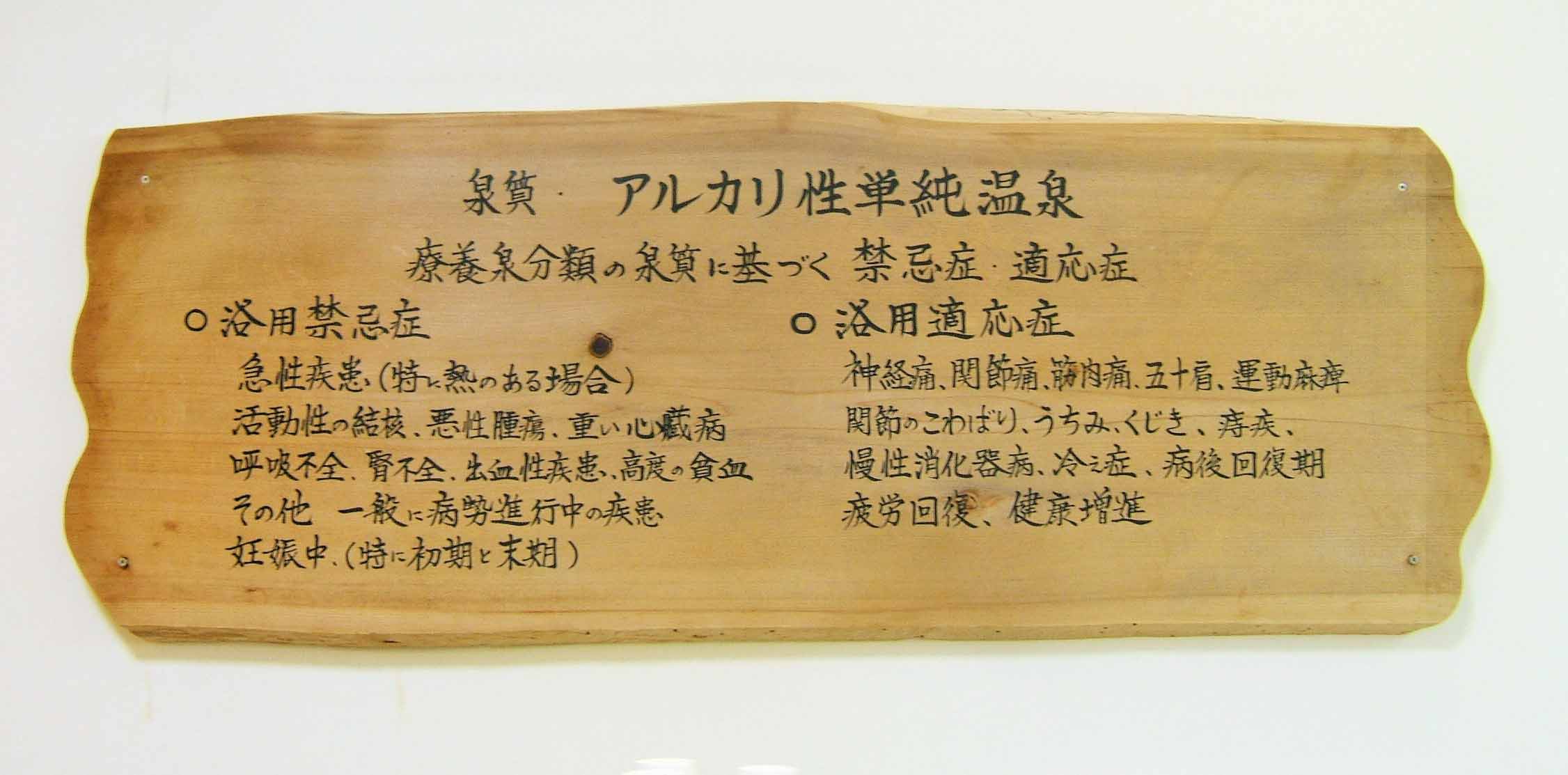
Onsen web

The plaque on the wall says the Health benefits of Onsen water, such as Neuralgia, Joint Pin, Frozen Shoulder …

One thing you should have in your mind is that if you have tattoos on your body you are normally not allowed to get into a public bath in Japan. It is because the people who have tattoos are always associated with ‘Yakuza (Japanese mafia)’ in Japan and tattoos frighten other guests in the public bath.

Anyway, right after bathing we were served very refreshing ‘Yuzu’ flavoured sorbet in the lounge. Yuzu is one of the many citrus fruits we produce in Japan. Because of its fragrant scent it became very popular in the UK recently. Lots of chefs use it nowadays and you hear the name in TV programs like MasterChef of even Great British Bake Off.

In this Inn that we stayed in the dinner was served in our own room.

dinner menu web

The Dinner menu

ddinner web

The first round of the dinner at the Onsen Inn

Continue reading

Sakura Manjyu

Web C

I’m in the middle of the report about the visit in Japan. However, I created this sweet from being inspired by Sakura/Cherry blossom in Japan in Spring time and cannot resist introducing them here any longer.

flower for web


[Sakura Manjyu]

Yes, these are the sweets I have used for the banner of this website. It is a type of Japanese sweet called ‘Nerikiri’. Its ingredients are white bean, sugar and rice flour. That’s all! So they are free from gluten, egg, dairy and even oil/fat. Very simple but it need a bit of practice to shape each one of them by hand into Cherry blossom or petals.

without leaves C

The Rice Flour used for this is ‘Shiratamako’ which is made from glutinous rice ‘Mochi-Gome’. Although it is called ‘Glutinous’ this stickiness of rice is coming from the molecules of ‘Amylopectin’ and not from Gluten. The difference is that Gluten is Protein found in wheat and Amylopectin is a huge starch compound made of many sugar like molecules connected to each other so that it is Carbohydrate. They are completely different substances. By adding a small amount of sticky rice to ‘Shiro-An (White Bean paste)’ the texture becomes stretchy and bendy just like plasticine. When I add a little bit of natural food colouring it becomes more like a real cherry flower?

Web C 3 copy

When I have a market stall people often think these ‘Nerikiri” sweets are marzipan, but “NO” they are nothing like marzipan. You can shape each individual sweet by hand as you like so that it has to be skillfull to make ‘Nerikiri’ and the process is very time consuming. Among all Japanese sweets they are rather posh ones, I must say. They are often used for traditional Tea Ceremony because of its sophisticated delicate finish.

Although it is simple enough to make ‘Nerikiri’, in order to understand this sweet I have to start from explaining how to make ‘Shiro-An (White Bean Paste)’ first. It means I have to wait to post this recipe until I mention ‘Shiro-An’ making. Sorry for keeping you waiting. 💓

Blueberry Cheese Daifuku

webC 1

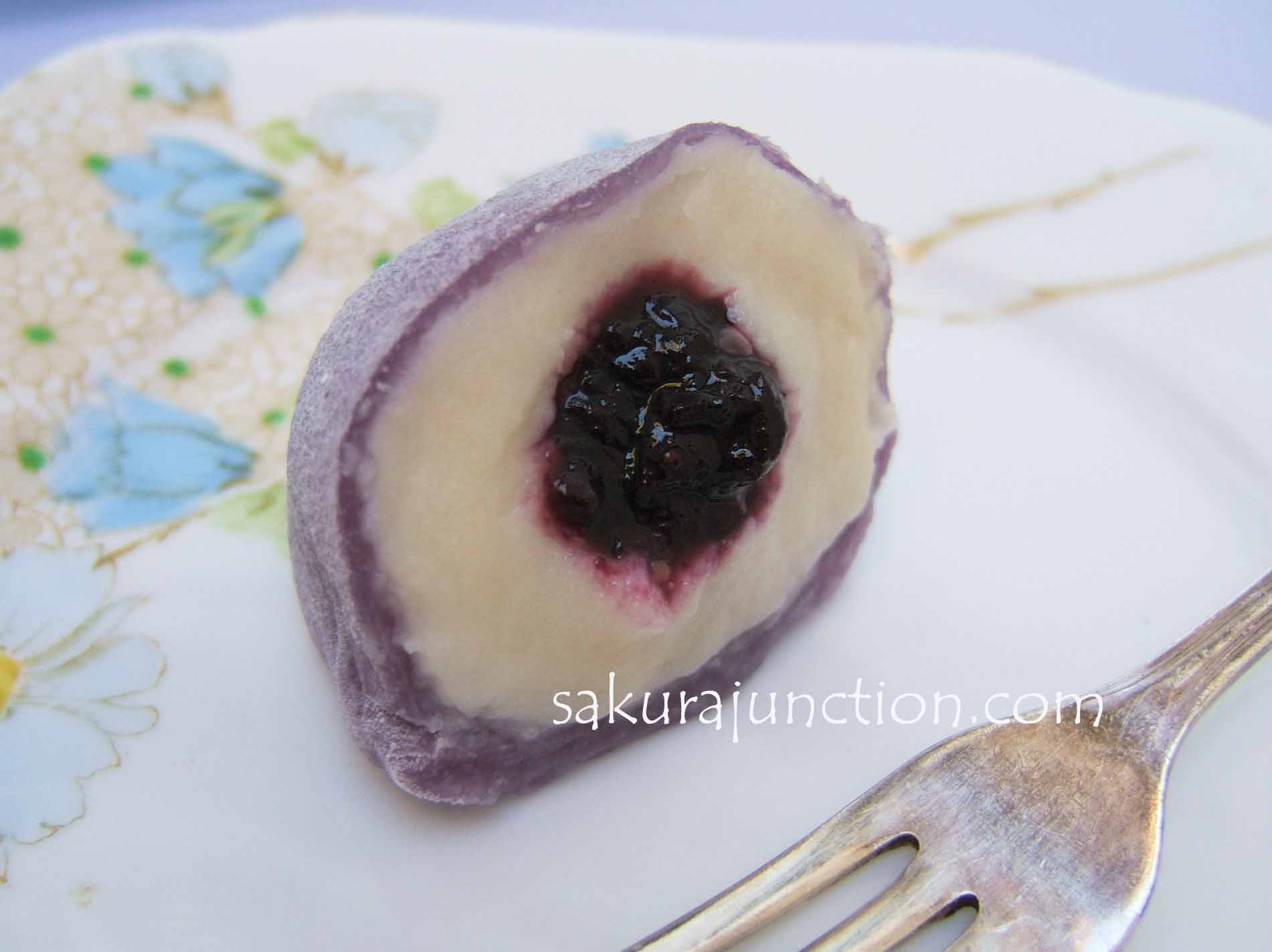
Cream Cheese-An (Sweet White Bean Paste base) and Blueberry Jam centre wrapped up with Blueberry infused soft Mochi (Rice Cake)

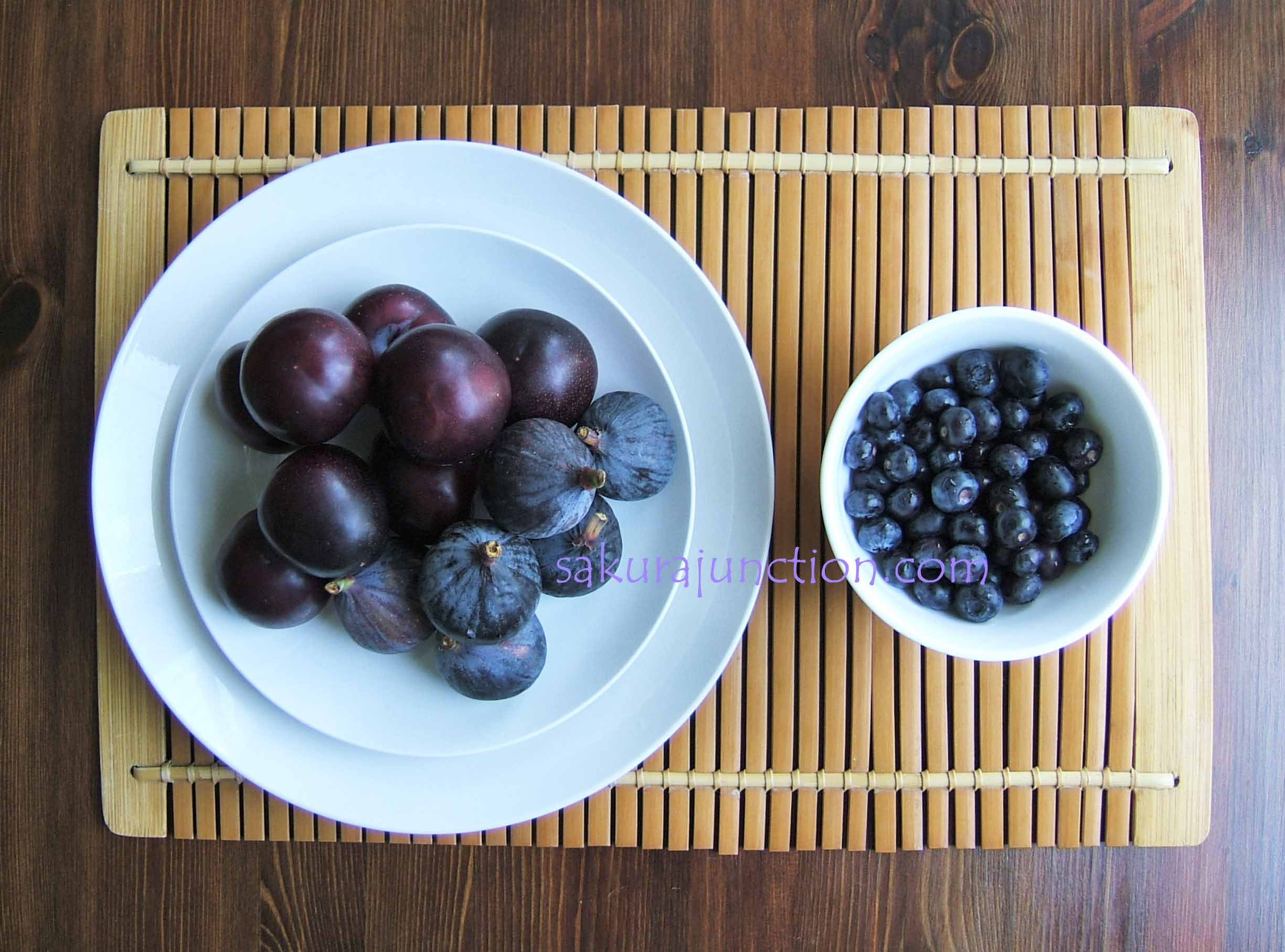
Since I sub-named this site as ‘Japanese Food and Everything Else’, I could not think of starting a post with non-Japanese food on this blog. But there was a problem. We have a huge variety of fruits at home at the moment. They are plums, kiwi fruits, grapefruit, banana, blueberries, apples and figs. I have to use them. I wanted to make something I can post on this blog by using them. However, these fruits are more suitable for western sweets rather than for Japanese. So I had to think what I can do to make something Japanese with western fruits.

And then my eyes focused on one of the fruits.

webC

Blueberries!

However, they look too western! So I gave a challenge to myself on turning Blueberries into Japanese Sweets.

M’s Blueberry Challenge!
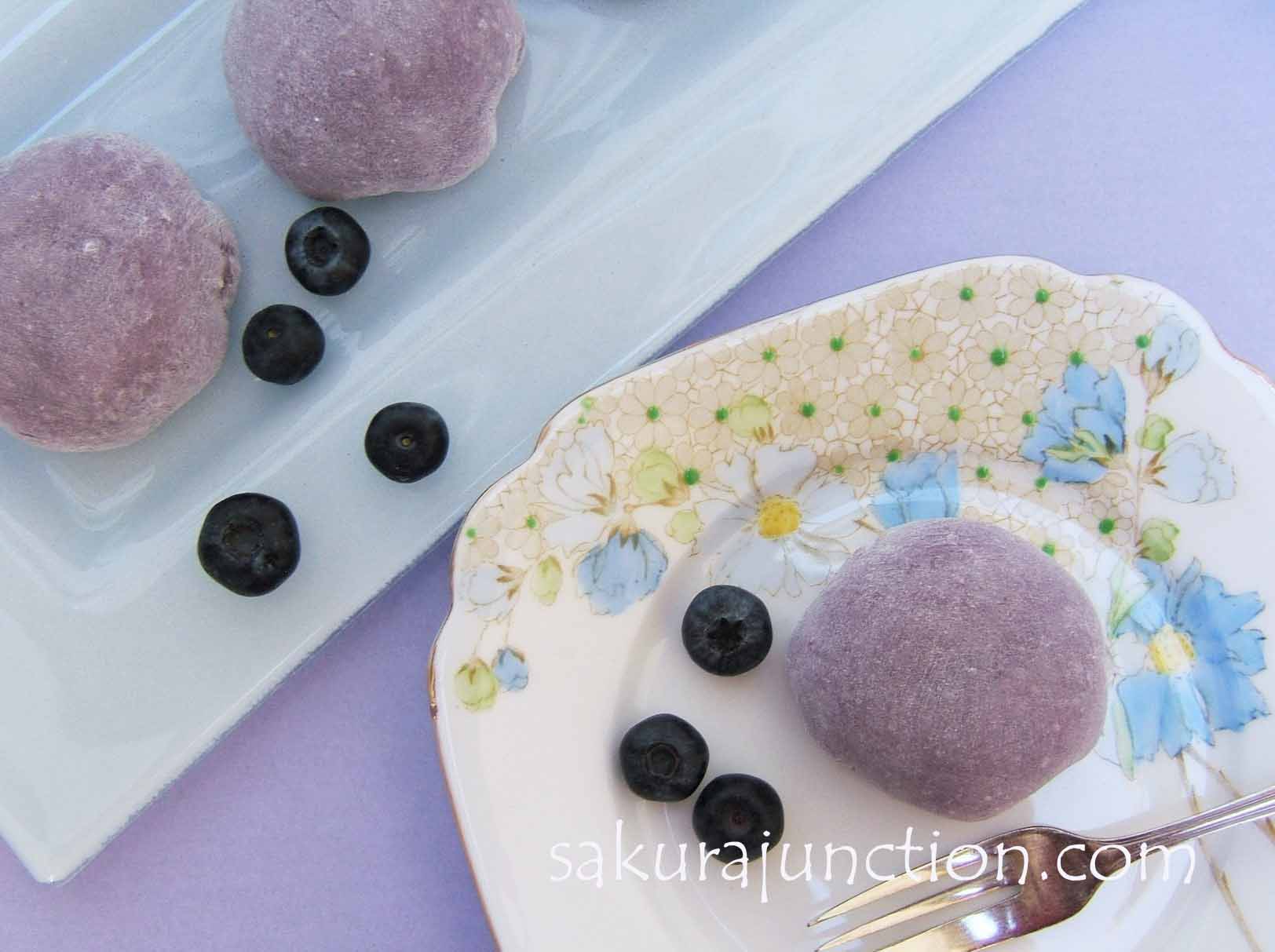
Here is the outcome of my challenge ‘Japanese Sweets with a western twist’.

 <Blueberry Cheese Daifuku>
webC 2

‘Daifuku’ is one type of Japanese sweets that An (Sweet Bean Paste) is wrapped up with Mochi (Rice Cake). Usually the An used for Daifuku is either Tsubu-An (Azuki Bean Paste) or Shiro-An (White Bean Paste) and both go well with most of fruits. So the flavour of Blueberry should also go well with this idea.

But it has such a western face, then I had to give a little bit of twist in Daifuku for making it slightly more western.

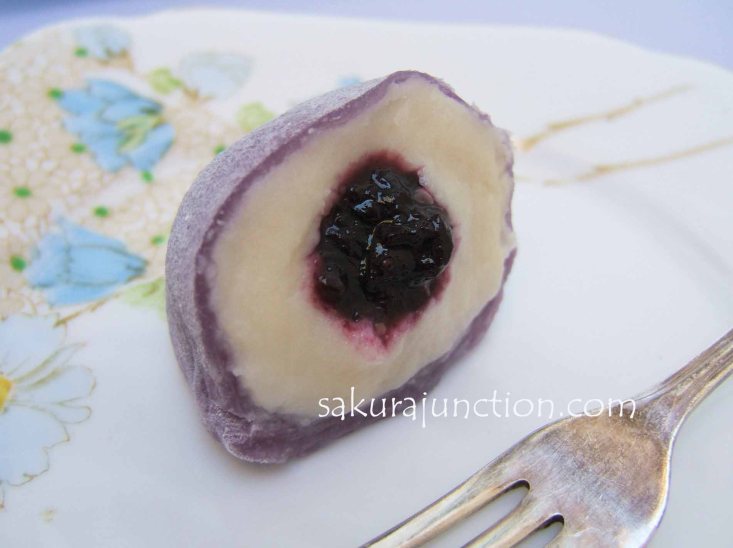
The solution was ‘Cream Cheese’. I am going to use Cream Cheese-An’ for this sweets. Basically the idea is making a Japanese version of Blueberry Cheese Cake.
webC 3

It was the first time for me to make ‘Cream Cheese-An’. I have not had it anywhere else yet but the taste of the ‘Blueberry Cheese Daifuku’ was just what I wanted. Soft smooth Cream Cheese-An matched very well with Blueberry Jam. A hint of White Bean Paste’s mild taste combined all the flavours into one.

Obviously it is not Dairy Free but it is still Free from Gluten, Fat/Oil and Egg. It was a good attempt. Success!

Happy Healthy Eating!