🎶 “Haru yo Koi, Hayaku Koi”🎵

Cherry wrap

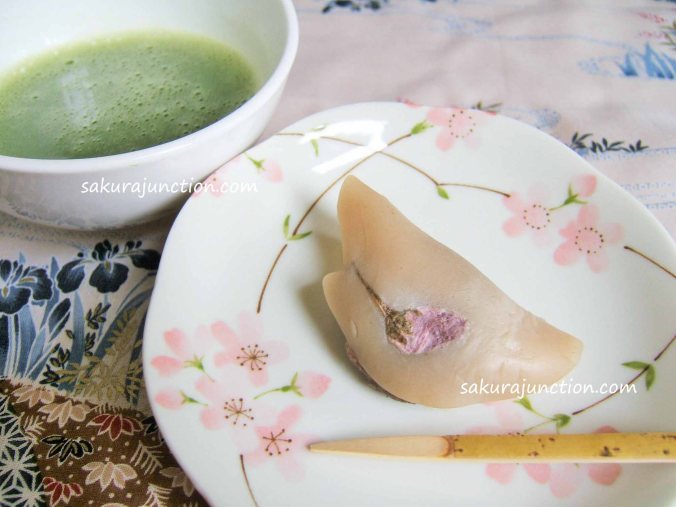
Cherry Wrap Manju with Matcha Green Tea

🎶 “Haru yo Koi, Hayaku Koi”🎵

Thia is a Japanese song for Children. “Come here, Spring. Hurry up, Spring”. It is sung from a child’s point of view. It must be the feeling of lots of people right now.

It is a weird winter this season. It started so mild and then suddenly freezing! In many area in the world it seems like snowing a lot now or even a blizzard. It was the same here in London. Because it was so mild we did not need to use central heating and I did not even wear any woollen jumper for a long time and then it became so cold last week. We are lucky that the temperature is getting slightly milder now.

However, for the people who are fighting with the snowy environment I just want to say to “Keep warm & safe and also Have a Break”. Maybe with a hot ‘Matcha‘ Green Tea and a good Japanese Sweet to make you feel relaxed and keep you going. You cannot do anything productive if you are exhausted.

The sweet in this photo is ‘Cherry Wrap’ Manju with ‘Matcha‘ Green Tea. It is a Japanese style crepes with the real Cherry Blossom I preserved myself wrapping sweet Azuki bean paste. It feels like the winter has just started but it will be gone in 2 or 3 months time. Then we will see lots of Cherry Blossom again. Hope this Cherry Wrap gives you a warmth in your mind by thinking the lovely season awaits ahead of us.

 Have a lovely weekend, Everyone. 💓
How to make ‘Shiro-An (白あん)’ (Quicker version)

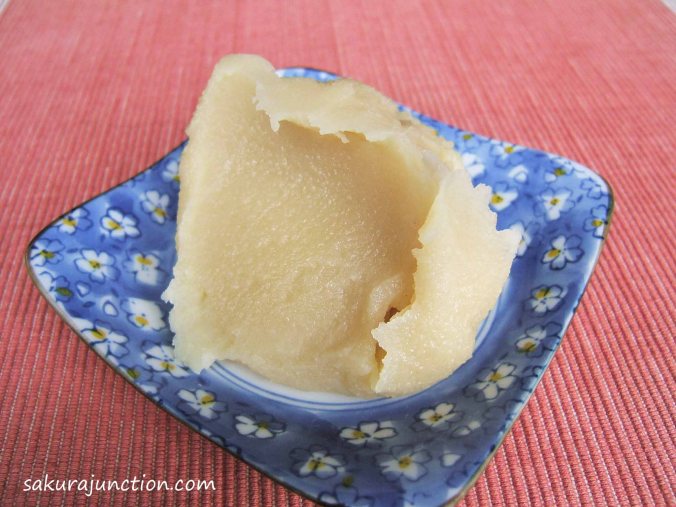
Shiroan White Bean Paste

By going through the preparation for markets and recent private order I had a chance to make ‘Shiro-An’ so I can finally post ‘How to Make’ it here.

‘Shiro-An’ is one of the main ‘An/Anko‘ Sweet Bean Pastes for Japanese Sweets which is made from white beans such as Butter Beans or White Kidney Beans. I used to think that it is just one type of Anko but since I started making wider range of Japanese Sweets I now realised that ‘Shiro-An’ is definitely the most important one among of all ‘Anko’ Sweet Bean Pastes.

Shiro-An is not just a tasty filling but it is also an essential ingredient for making Japanese sweet. Because it is 1. in white colour so that you can change it into any colour you want 2. having a very smooth texture, it is very versatile and basically it acts like a great shape shifter. It can be used in all sorts of sweets in disguise. My recent hit sweet ‘Ukishima’ and also ‘Nerikiri’ are just two examples that ‘Shiro-An’ is used into a different shape. Unless you are told you don’t realise.

So How do you make ‘Shiro-An (白あん)’/ White Bean Paste? Well, professionally it is a long process but I am going to show you the easier method. Some steps are omitted here but the product you get tastes very good. What you need is just patience and lot of care.

Continue reading

Happy New Year 2016!

2016 New Year card

🎍 Happy New Year! 🎍

In Japan we celebrate three days for the New Year. Yes, the New Year Days are very big deal for Japanese. It is the biggest National Holiday and everybody should be resting including the person who cooks for the family too. In order to have less cooking time home chef prepares celebratory meal ‘Osechi (お節)’ until New Year’s Eve. It is like a bigger version of Bento box filled with lots of delicious & luxurious food all of which last for 2-3 days so that you just need to add some extra thing such as ‘Sushi’🍣, ‘Sashimi (さしみ)’ or something warm.

Continue reading

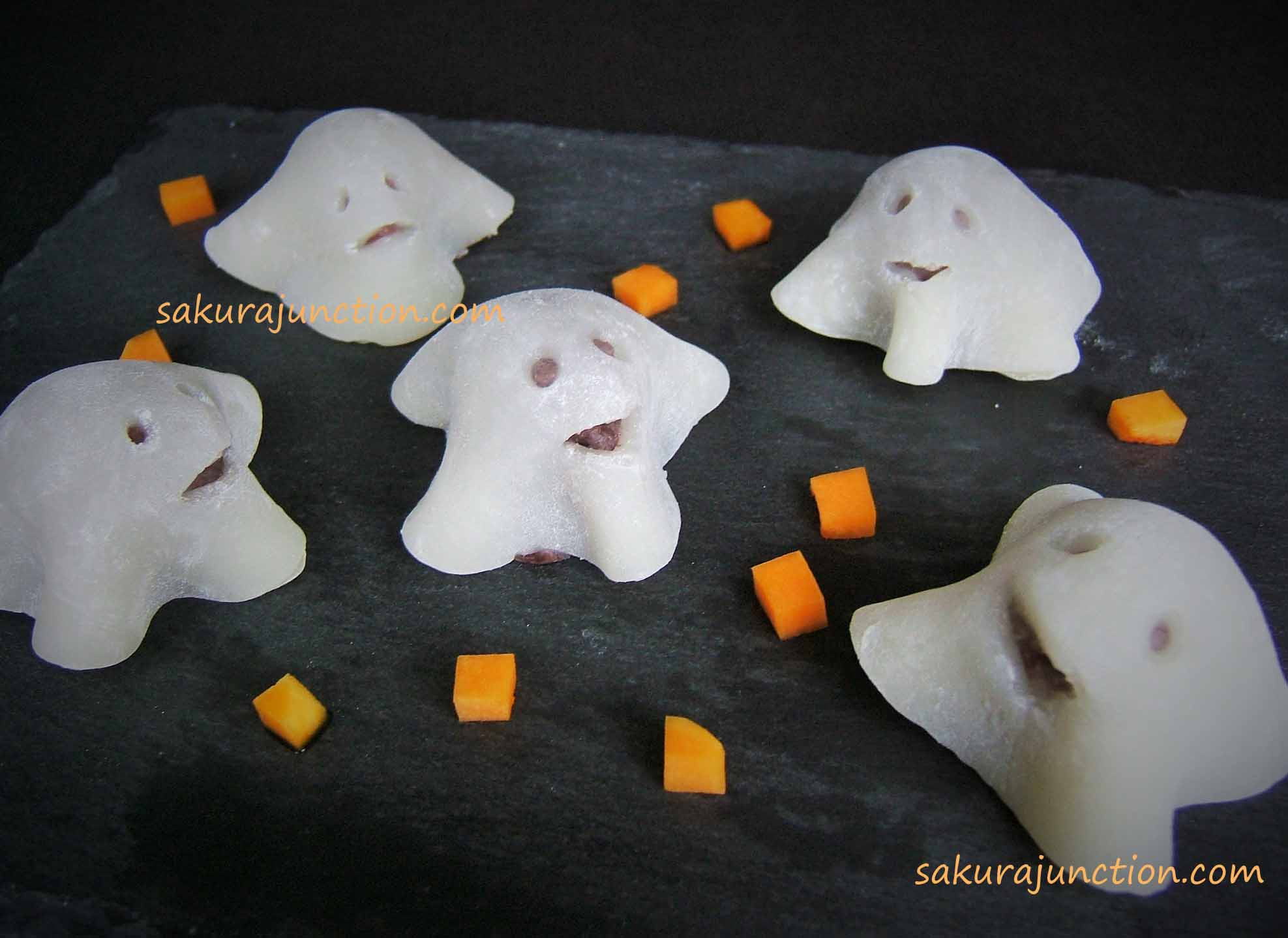
Halloween Ghost(busters) Daifuku

Ghost Daifuku2

It’s a Halloween tonight! I live in England so I am going to be subtle in this more American tradition.

I have been thinking about making some kind of Japanese sweet in Halloween style but did not have much time. I managed to make this Daifuku in Ghost-like shape but it turned out more like the ghosts in the movie ‘Ghostbusters’

Halloween Ghost(busters) Daifuku

Ghost Daifuku up

Continue reading

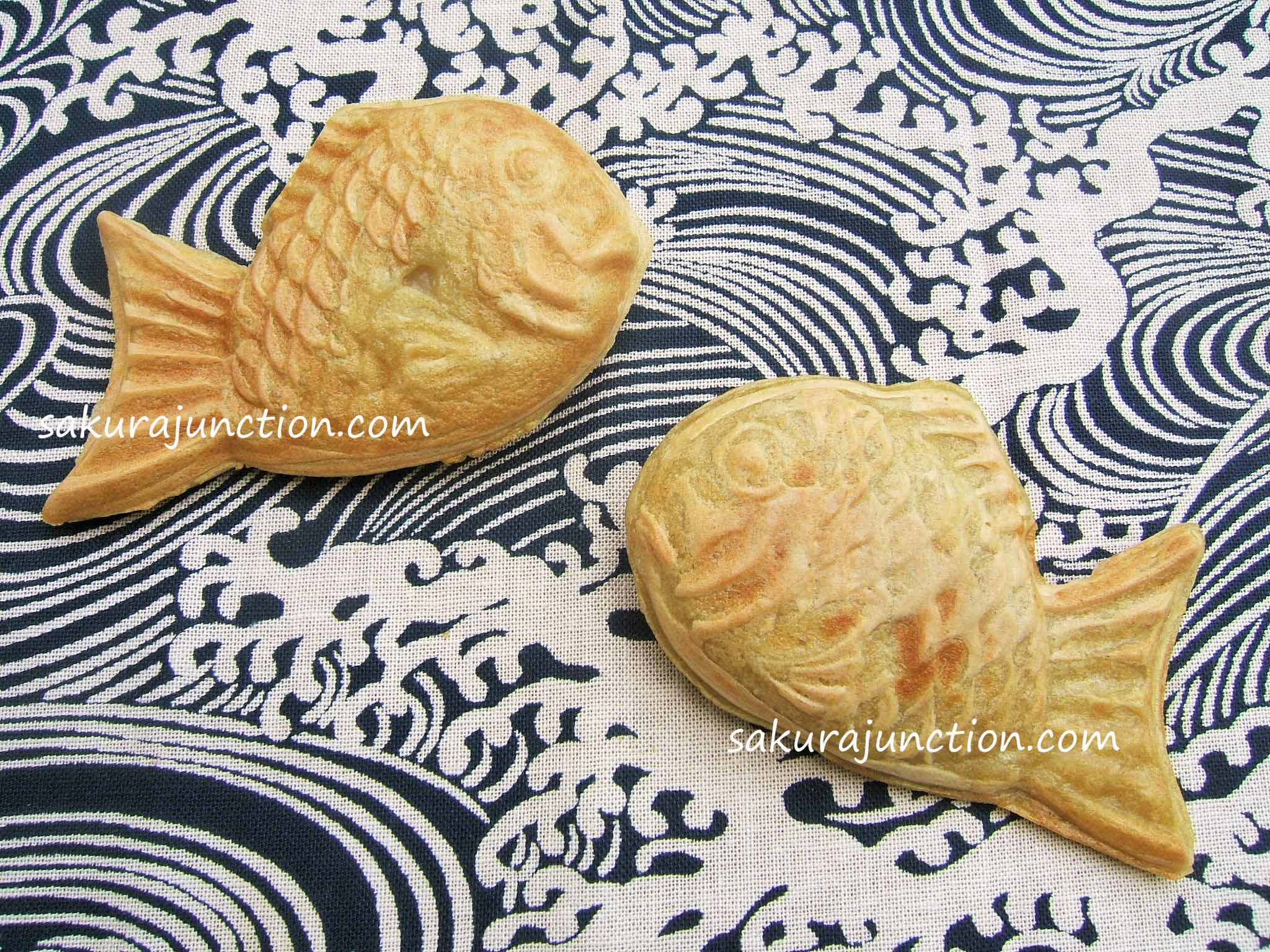
Tai-Yaki & Half-Moon-Yaki            (たい焼き&半月焼き)

Taiyaki in the sea

So my fist post after ‘How to Make Tsubu-An’ is ‘Tai-Yaki’. It is one of the most popular street foods in Japan. The name ‘Tai’ means ‘Sea Bream’ and ‘Yaki’ means ‘something baked or grilled’ in Japanese. Although it is called ‘Tai/Bream’ it has sweet filling, which is normally bean paste, and not having any fish at all. It is just a fish shaped sweet.

It is a waffle like sweet filled with traditionally Tsubu-An centre. Recently people started using some new fillings but Tsubu-An is still the most popular one. That is just because it is the best combination & simply delicious.

Tai-yaki inside

Tai-yaki with Tsubu-An & ‘Shiratama (mochi)’ filling

Continue reading

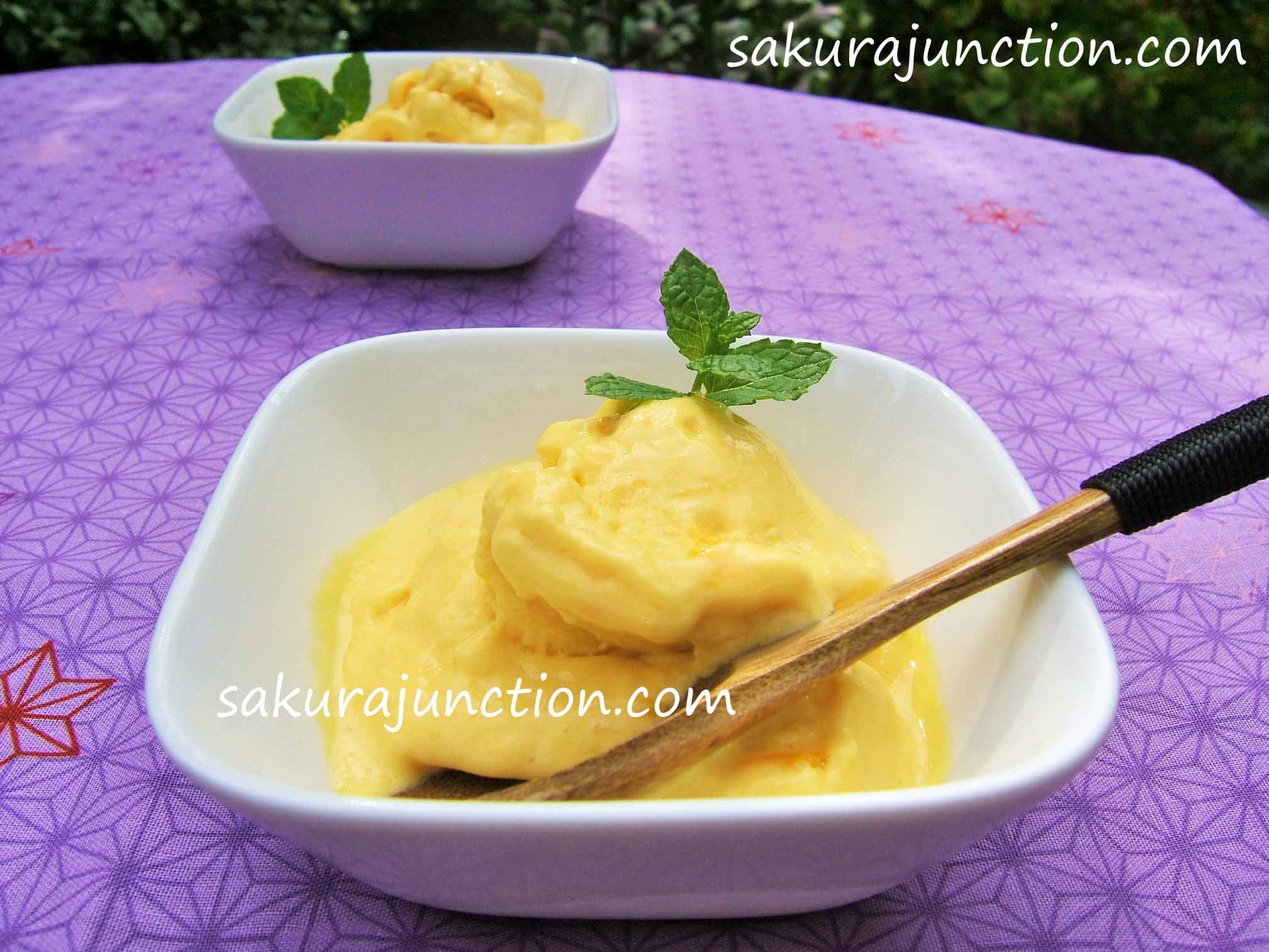
Mango Yogurt Ice Cream

Mango Yogurt Ice Cream

I like fruits. I love Mango. I normally eat it fresh with some yogurt or ice cream. But I wanted to make something a little bit more dessert-ish. So I combined everything Mango, Yogurt and Ice Cream.

I don’t have an Ice-cream machine and I don’t like any complicated process. I like simple food and this is very quick and easy recipe to have something very pleasant.

Continue reading

Sakura Manjyu

Web C

I’m in the middle of the report about the visit in Japan. However, I created this sweet from being inspired by Sakura/Cherry blossom in Japan in Spring time and cannot resist introducing them here any longer.

flower for web


[Sakura Manjyu]

Yes, these are the sweets I have used for the banner of this website. It is a type of Japanese sweet called ‘Nerikiri’. Its ingredients are white bean, sugar and rice flour. That’s all! So they are free from gluten, egg, dairy and even oil/fat. Very simple but it need a bit of practice to shape each one of them by hand into Cherry blossom or petals.

without leaves C

The Rice Flour used for this is ‘Shiratamako’ which is made from glutinous rice ‘Mochi-Gome’. Although it is called ‘Glutinous’ this stickiness of rice is coming from the molecules of ‘Amylopectin’ and not from Gluten. The difference is that Gluten is Protein found in wheat and Amylopectin is a huge starch compound made of many sugar like molecules connected to each other so that it is Carbohydrate. They are completely different substances. By adding a small amount of sticky rice to ‘Shiro-An (White Bean paste)’ the texture becomes stretchy and bendy just like plasticine. When I add a little bit of natural food colouring it becomes more like a real cherry flower?

Web C 3 copy

When I have a market stall people often think these ‘Nerikiri” sweets are marzipan, but “NO” they are nothing like marzipan. You can shape each individual sweet by hand as you like so that it has to be skillfull to make ‘Nerikiri’ and the process is very time consuming. Among all Japanese sweets they are rather posh ones, I must say. They are often used for traditional Tea Ceremony because of its sophisticated delicate finish.

Although it is simple enough to make ‘Nerikiri’, in order to understand this sweet I have to start from explaining how to make ‘Shiro-An (White Bean Paste)’ first. It means I have to wait to post this recipe until I mention ‘Shiro-An’ making. Sorry for keeping you waiting. 💓

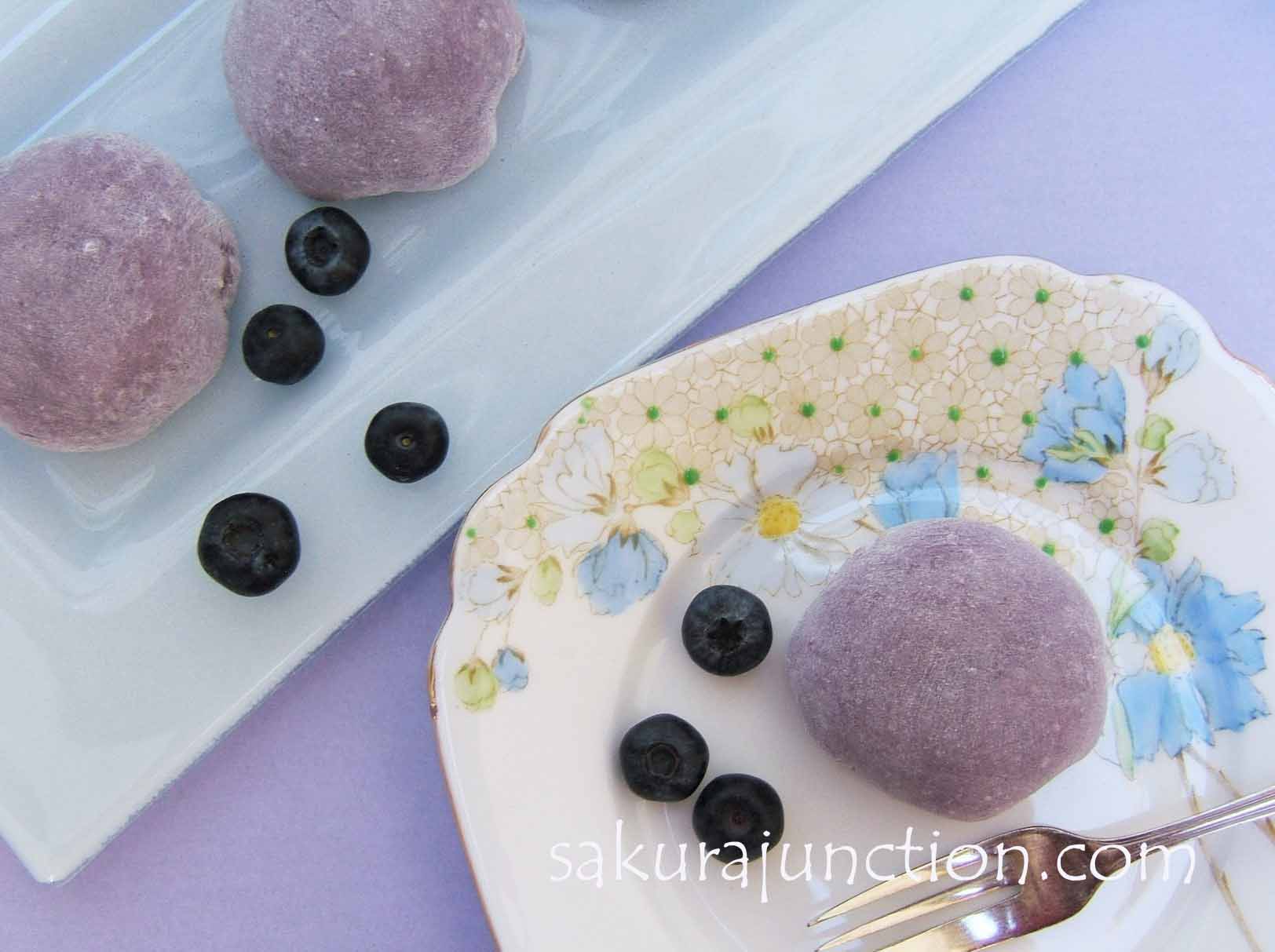
Blueberry Cheese Daifuku

webC 1

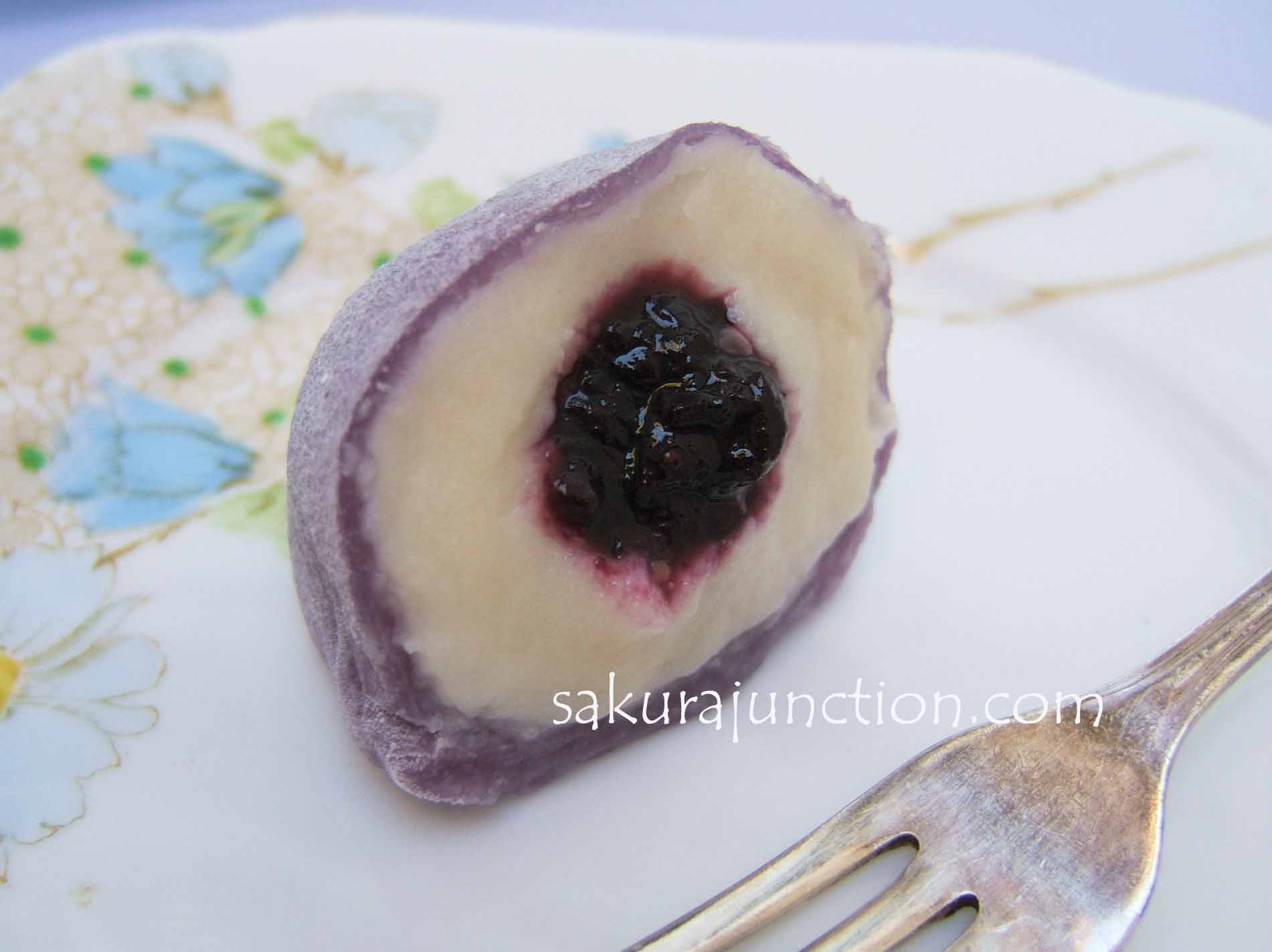
Cream Cheese-An (Sweet White Bean Paste base) and Blueberry Jam centre wrapped up with Blueberry infused soft Mochi (Rice Cake)

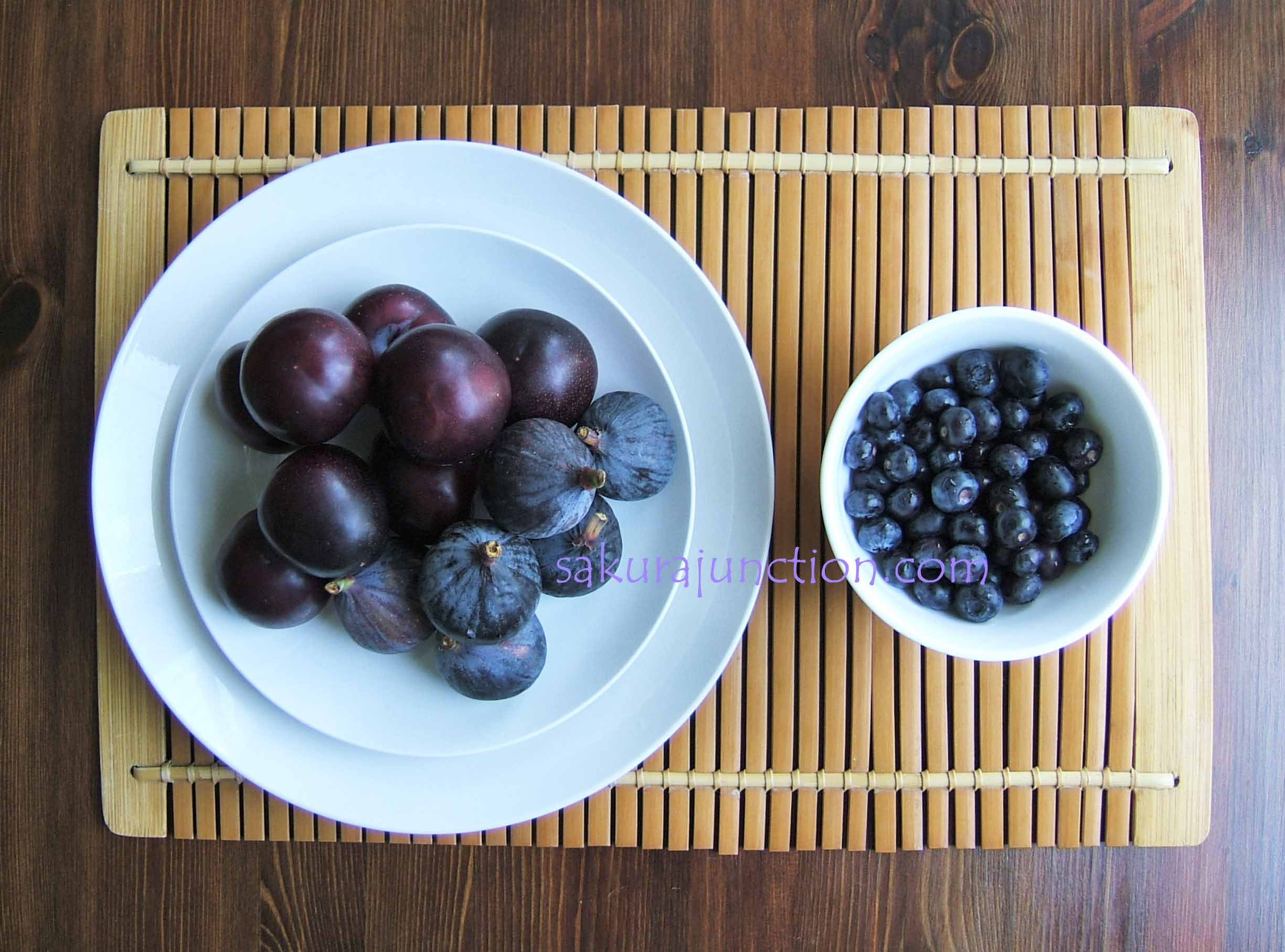
Since I sub-named this site as ‘Japanese Food and Everything Else’, I could not think of starting a post with non-Japanese food on this blog. But there was a problem. We have a huge variety of fruits at home at the moment. They are plums, kiwi fruits, grapefruit, banana, blueberries, apples and figs. I have to use them. I wanted to make something I can post on this blog by using them. However, these fruits are more suitable for western sweets rather than for Japanese. So I had to think what I can do to make something Japanese with western fruits.

And then my eyes focused on one of the fruits.

webC

Blueberries!

However, they look too western! So I gave a challenge to myself on turning Blueberries into Japanese Sweets.

M’s Blueberry Challenge!
Here is the outcome of my challenge ‘Japanese Sweets with a western twist’.

 <Blueberry Cheese Daifuku>
webC 2

‘Daifuku’ is one type of Japanese sweets that An (Sweet Bean Paste) is wrapped up with Mochi (Rice Cake). Usually the An used for Daifuku is either Tsubu-An (Azuki Bean Paste) or Shiro-An (White Bean Paste) and both go well with most of fruits. So the flavour of Blueberry should also go well with this idea.

But it has such a western face, then I had to give a little bit of twist in Daifuku for making it slightly more western.

The solution was ‘Cream Cheese’. I am going to use Cream Cheese-An’ for this sweets. Basically the idea is making a Japanese version of Blueberry Cheese Cake.

webC 3

It was the first time for me to make ‘Cream Cheese-An’. I have not had it anywhere else yet but the taste of the ‘Blueberry Cheese Daifuku’ was just what I wanted. Soft smooth Cream Cheese-An matched very well with Blueberry Jam. A hint of White Bean Paste’s mild taste combined all the flavours into one.

Obviously it is not Dairy Free but it is still Free from Gluten, Fat/Oil and Egg. It was a good attempt. Success!

Happy Healthy Eating!

Welcome to Sakura Junction!

Sakura

Hi I’m Mutsumi,

Welcome to Sakura Junction and my first post on this blog!

I am very pleased to start this website ‘Sakura Junction’ at spring – Cherry Blossom time. It’s because ‘Sakura’ means Cherry/Cherry Blossom in Japanese. Japan is famous for cherry blossoms and Sakura is our National flower. There is no any other season more suitable than spring for the start of ‘Sakura Junction’.

I have been wanting to be involved in food production for many years, particularly Japanese Food. WHY? It is because there’s been a kind of trend in Japanese Food here in London for several years, however, people don’t really know much about Japanese Food. How many Japanese dishes can you name other than ‘Sushi’? Japanese street food is becoming quite popular recently so you might know ‘Okonomi-yak’ or ‘Tako-yaki’. And our most recent hit in London ‘Ramen’ is the one that foodies are talking about right now! Basically there are so many different types of food in Japan.

So I want to introduce Japanese Home Cooking to you. You may have tried to make some Japanese food before but got stuck with unfamiliar ingredients? I am going to adapt the ingredients and use only the stuff you can find in London without any difficulty.

to post intro

Over several years I have developed the skill of making Japanese Sweets. That is my specialty and I occasionally sell these in a market. Japanese Sweets are not only pretty, but very different from westerns sweets. Many of them are mainly made of beans,
rice flour and sugar so that they are Free from Gluten, Dairy, Fat/Oil and Egg. Carbohydrates burn cleanly in our body unlike butter & cream with high content of Fat/Oil. Beans are thought to be a healthy food option anyway, so that overall Japanese Sweets are much healthier than pastries.

I hope my blog will inspire you to cook more Japanese Food.

Happy Healthy Eating!!