Lunch on a Family Memorial Day (Hohji)

The main reason I went back to Japan this time was that my family had a Buddhism memorial service called ‘Hohji (法事)’. A Monk visited our home and gave us a prayer service. It lasted about 30 minutes to an hour. It was not that long but you had to be seating on a ‘Tatami (たたみ)’ mat and that was the toughest part of it. We of course sat on a cushion ‘Zabuton (座布団)’ but since I’ve been living in the UK for a while now and not used to seating on my leg … My legs became numb. The monk told us to sit in any position we felt comfortable and followed by telling us that he knew somebody who had broken her/his bone because s/he had tried to stand up and stumbled due to numbed legs. It was a hilarious story that we thought a little too extreme. Anyway we finished our prayers, thanked and said good-bye to the monk. None of us broke our bones luckily.

Before the service we had a special lunch for the day.
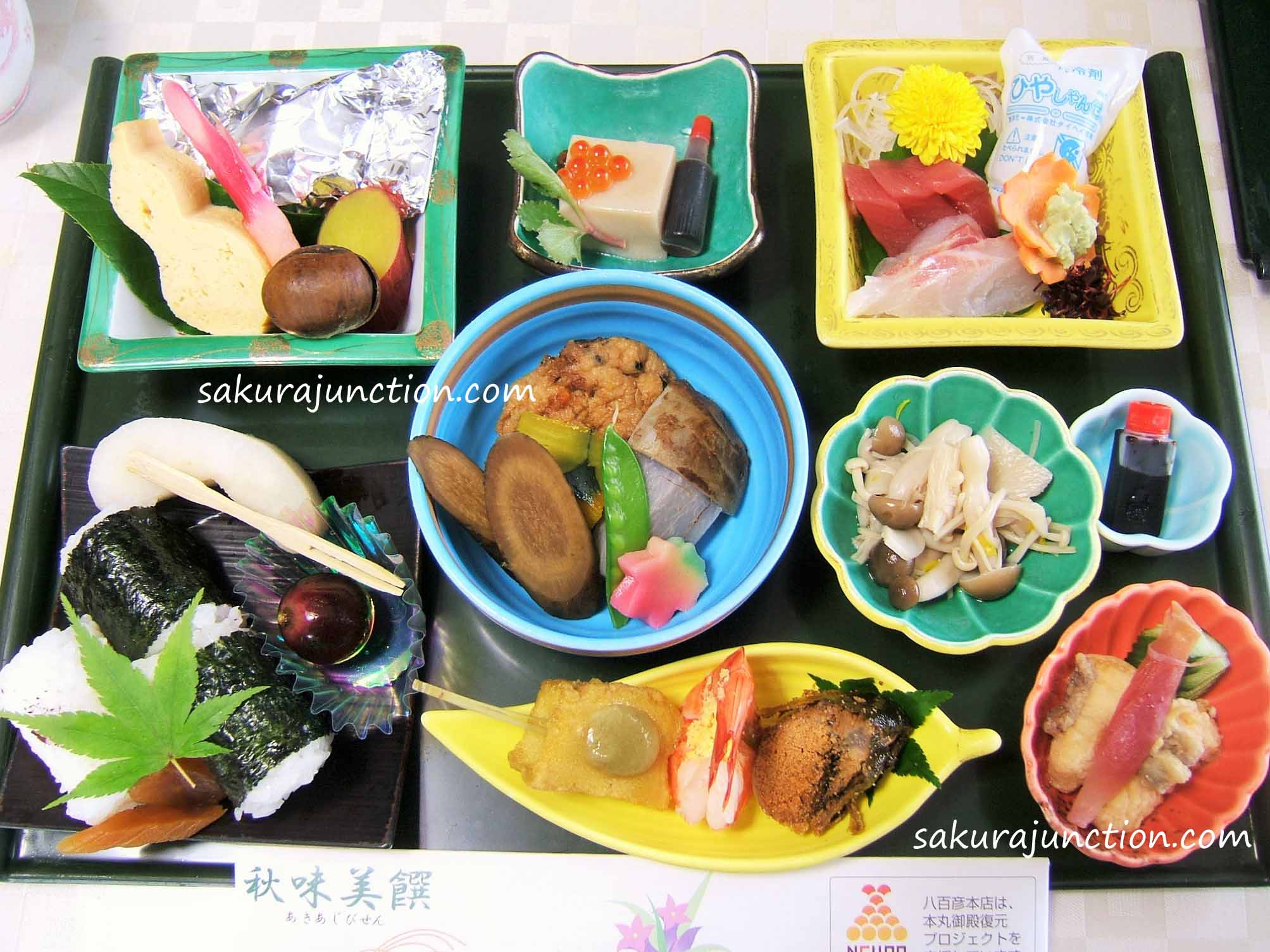
Hoji whole

Continue reading

Grilled Sanma – Pacific Saury

Do you know this beautiful shiny fish?

sanma 2

It is ‘Sanma (さんま, 秋刀魚)’ in Japanese. I have learned it’s called ‘Pacific Saury’ in English just recently. I never had a reason to search their name before because I have never seen them in London. Oh, only once actually in Japanese food shop but it was a frozen one.

The fish swim towards Japan in a big shoal in Autumn season with lots of oil on its body for laying eggs. They apparently have a very short life for just two years or something… 😦

Lots of Sanma appear in fishmongers in Autumn. It is one of the Taste of Autumn for Japanese.

So how do we eat them?

Sanma on plate

Of course there are many ways to cook it. Some are very regional like famous ‘Sanma Sushi’. However, the way I like the most is the simplest one.

Continue reading

Recipe: Kuri Gohan (栗ごはん) – Rice with Chestnuts

Kuri Gohan

So it is officially Autumn now. Whilst I stayed in Japan I had a chance of eating ‘Kuri Gohan (Rice with Chestnuts)’ twice. It is one of the seasonal food you MUST have in Autumn.

I visited a famous land of ‘Kuri (Chestnut)’. I spotted great looking Chestnuts sold at a tiny train station so I brought some back home.

Kuri

Continue reading

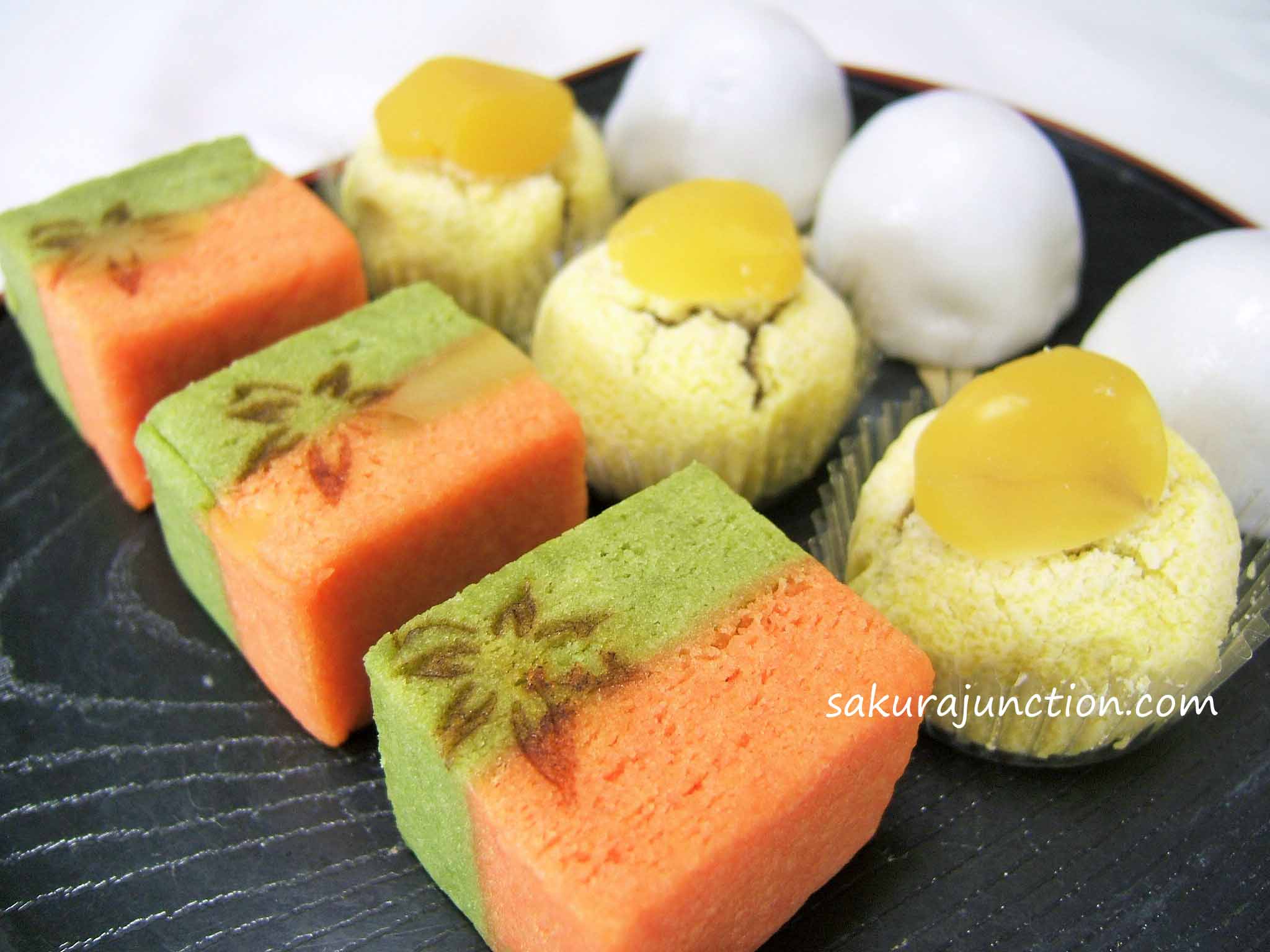
‘Manju’ in Autumn Theme

manjyu1

One of the things I was looking forward to when I went back to Japan was of course ‘Manju (まんじゅう)’ the Japanese sweet. I can make some by myself but I just wanted to try some very good ones that I cannot find in London.

manjyu3

As I mentioned previously in “the Taste of Autumn” we are sensitive to changing seasons in Japan and ‘Wagashi (和菓子)’ the Japanese sweet is no exception. At the very beginning of Autumn the colour/pattern/ingredients of Japanese sweets have been already changed into Autumn theme.

Continue reading

A Nostalgic Ramen Shop in Japan

Ramen Shop

In the heart of Nagoya in Japan I found a very old-fashioned ‘Ramen’ shop in the basement of a building. Ramen shops in London try to look fashionable (and charge more) but all the Ramen shops used to be like this shop in very retro style when I was a child. It looked so nostalgic and I could not resist going inside …

Continue reading

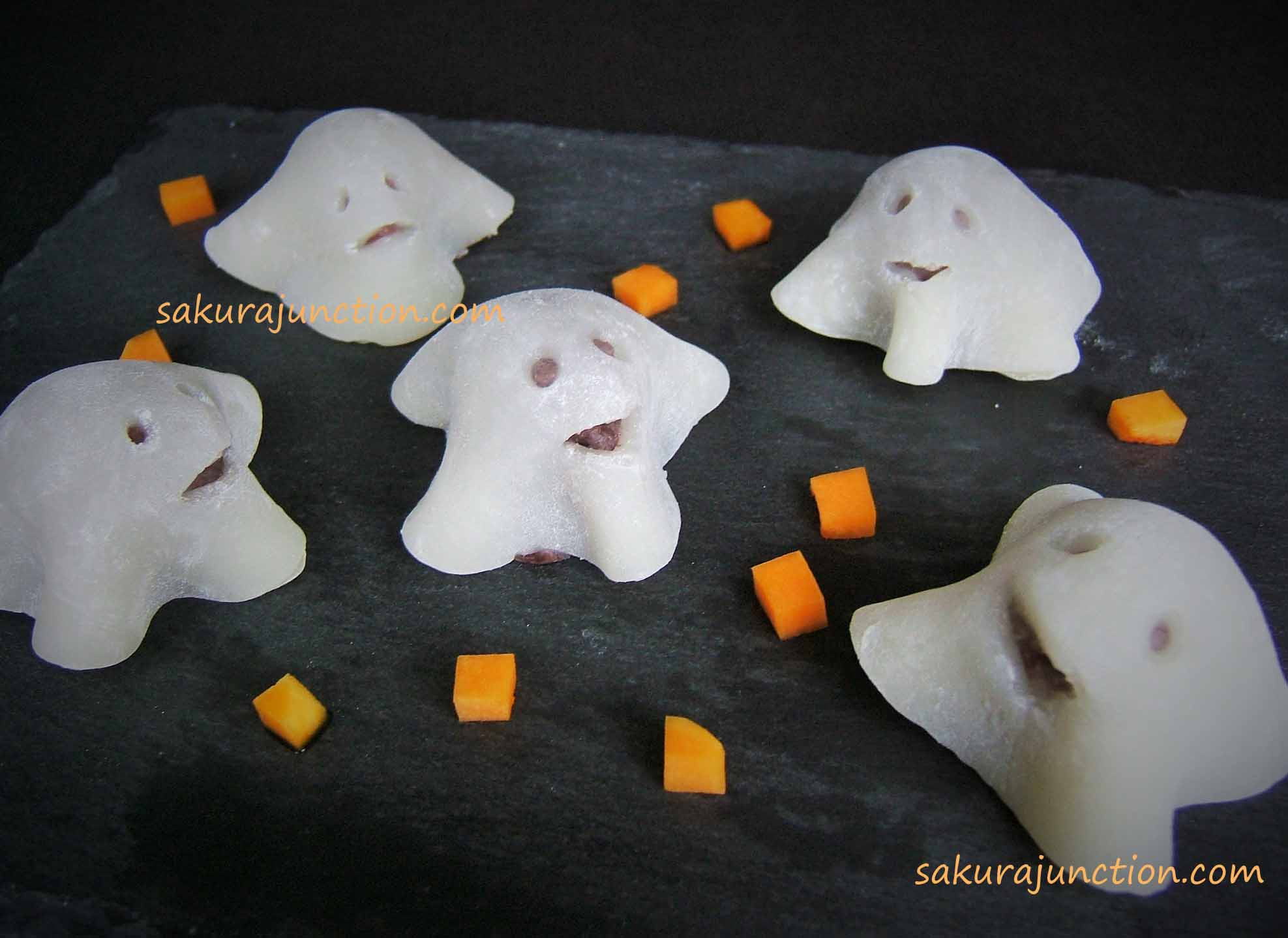
Halloween Ghost(busters) Daifuku

Ghost Daifuku2

It’s a Halloween tonight! I live in England so I am going to be subtle in this more American tradition.

I have been thinking about making some kind of Japanese sweet in Halloween style but did not have much time. I managed to make this Daifuku in Ghost-like shape but it turned out more like the ghosts in the movie ‘Ghostbusters’

Halloween Ghost(busters) Daifuku

Ghost Daifuku up

Continue reading

The Taste of Autumn

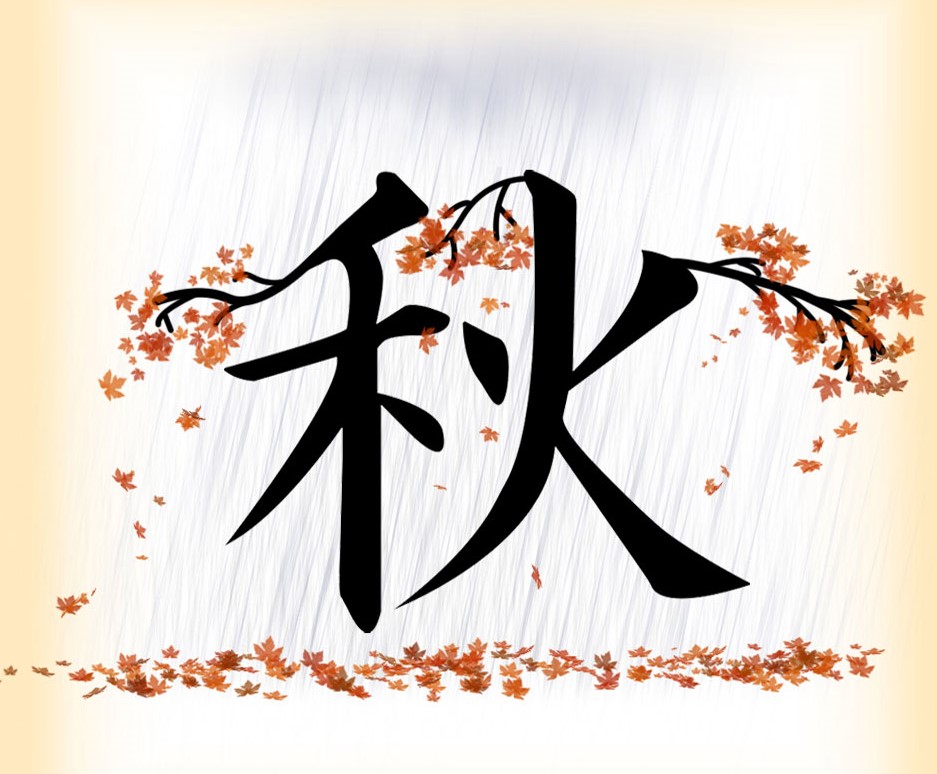
aki-moji001 (2)

What is ‘Autumn’ for you?

Autumn in Japanese is ‘Aki‘ and written as ‘‘. The character is made from two parts. The left part shows what it is connected to and in this case ‘ (Nogi-hen)’ means the character is something to do with ‘Crop’. The right part is ‘ (Hi)’ which means ‘Fire’. So by combining two parts together the character means ‘Drying Crop (by Fire)’. Japan has a culture of growing rice plants for many many years and we harvest it in Autumn. Traditionally we dried cut plants by hanging it in the field for weeks before threshing grains so it does make sense that Autumn is the time for ‘Drying Crop’ before a cold winter comes.

In Japan Autumn is described in several ways. We say Autumn is for Harvesting. Autumn is for Reading Books, Autumn is for Arts & Excercise. However, the most important thing about Autumn and we should never ever forget is that Autumn is for ‘Taste’ and ‘Appetite’.

kuri matsutake

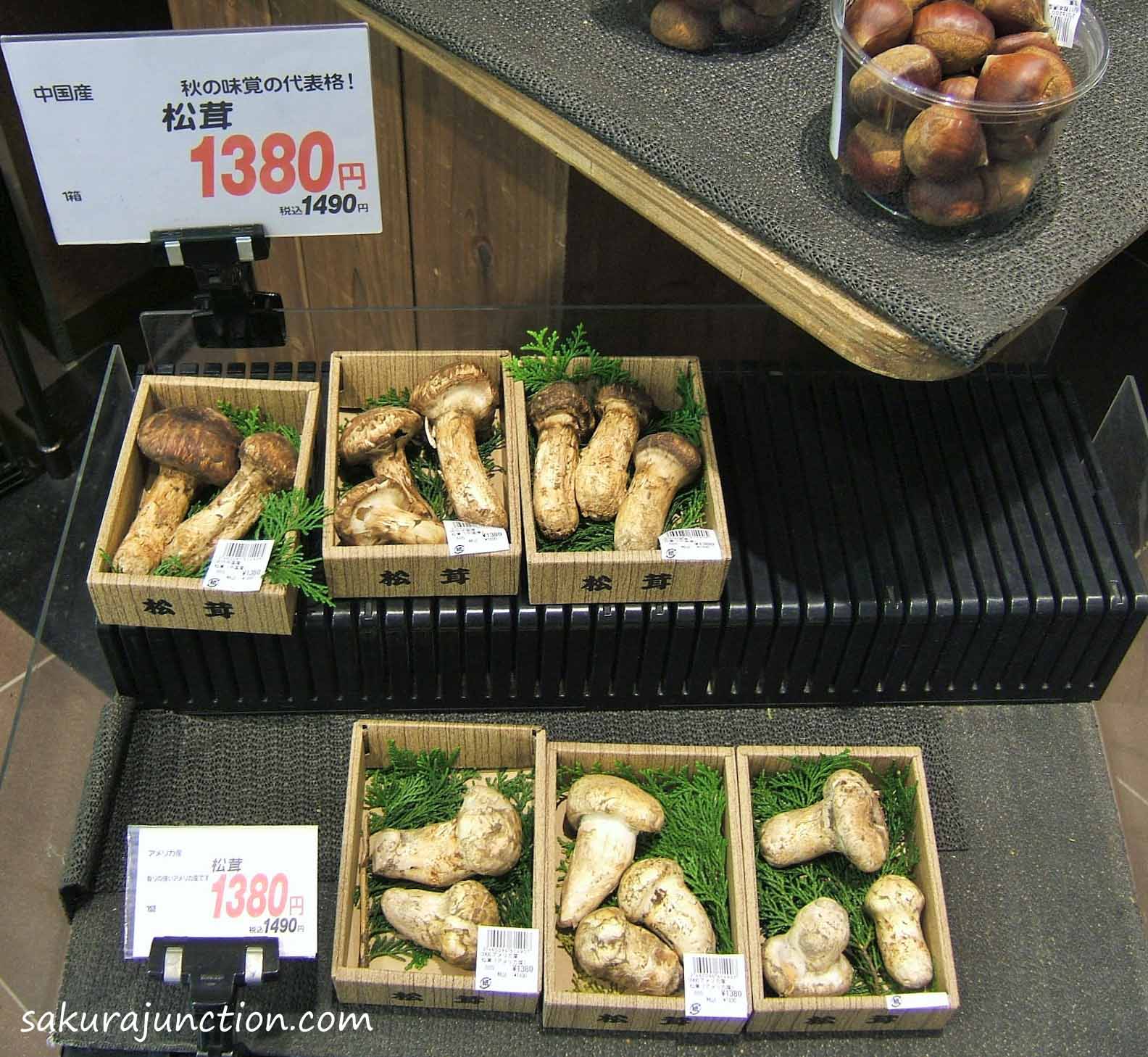
The Taste of Autumn – ’Matsutake’ mushroom and ‘Kuri’ chestnuts

Continue reading

Bento on ‘Respect for the Aged Day (敬老の日)’ 

Keiro Bento

The 21st of September was ‘Respect for the Aged Day (敬老の日)’ this year in Japan. It was one of the National Holidays for showing our respect and care for elderly people.

Bento on ‘Respect for the Aged Day (敬老の日)’

We ordered some Bento from a well known restaurant for my mother on ‘Respect for the Aged Day (敬老の日)’. The Bento was particularly planned for elderly people with the idea of  1. Easy to eat  2. with good source of various nutrients and  3. of course it had to be good quality food. We made a clear soup called ‘O-suimono‘ to go with it.

Keiro Bento 2

The ingredients and decoration was made in an Autumn theme. The amount of food was just enough ‘Hara Hachibunme (腹八分目)’ (‘Hara’=stomach, ‘Hachibunme’=80%) for us. It means moderate eating up to 80 percent in stomach is the key for a healthy life.

Continue reading

3 Million Red Spider Lilies ‘Higanbana’ (彼岸花/曼珠沙華)

Higanbana with sky

I apologise that I could not post regularly recently whilst I was staying in Japan but I am back in London now and hope I can get back on track. My stay in Japan was mainly for a family matter but I made some small trips and had some good food experiences in my spare time so I am going to publish some posts from today.

Red Spider Lily ‘Higanbana (彼岸花)’ along Yakachi River

So, my first catch-up post during my visit in Japan is about the little trip I made in September to see this famous area that was covered with Red Spider LiliesHiganbana‘ (Lycoris radiata) which is also called Cluster Amaryllis in English. 3 million flowers were literally clustered around in this vast area along the bank of Yakachi river in Handa, Aichi prefecture.

Higanbana spread out

It was just a magnificent view of a red stripe of flowers spreading as far as you could see.

Continue reading