Setsubun

Oni to Sushi

Red ‘Oni’ with two horns

In Japan we have several special days in a year. The 3rd of February is one of them, It is a day called ‘Setsubun‘.

What is ‘Setsubun’?

Setsubun is written as ‘節分‘ in Japanese which means ‘divide (分)’ ‘season (節)’. The day actually is one day before the changing of season. It seems like we used to have four Setsubun before each season in the past but since Edo era (a few hundred years ago) we particularly cerebrate only the beginning of Spring. So the 3rd of February became our ‘Setsubun’ and we celebrate the coming of Spring on this day.

ehoumaki to mame

Continue reading

Happy New Year 2016!

2016 New Year card

🎍 Happy New Year! 🎍

In Japan we celebrate three days for the New Year. Yes, the New Year Days are very big deal for Japanese. It is the biggest National Holiday and everybody should be resting including the person who cooks for the family too. In order to have less cooking time home chef prepares celebratory meal ‘Osechi (お節)’ until New Year’s Eve. It is like a bigger version of Bento box filled with lots of delicious & luxurious food all of which last for 2-3 days so that you just need to add some extra thing such as ‘Sushi’🍣, ‘Sashimi (さしみ)’ or something warm.

Continue reading

Grilled Sanma – Pacific Saury

Do you know this beautiful shiny fish?

sanma 2

It is ‘Sanma (さんま, 秋刀魚)’ in Japanese. I have learned it’s called ‘Pacific Saury’ in English just recently. I never had a reason to search their name before because I have never seen them in London. Oh, only once actually in Japanese food shop but it was a frozen one.

The fish swim towards Japan in a big shoal in Autumn season with lots of oil on its body for laying eggs. They apparently have a very short life for just two years or something… 😦

Lots of Sanma appear in fishmongers in Autumn. It is one of the Taste of Autumn for Japanese.

So how do we eat them?

Sanma on plate

Of course there are many ways to cook it. Some are very regional like famous ‘Sanma Sushi’. However, the way I like the most is the simplest one.

Continue reading

Recipe: Kuri Gohan (栗ごはん) – Rice with Chestnuts

Kuri Gohan

So it is officially Autumn now. Whilst I stayed in Japan I had a chance of eating ‘Kuri Gohan (Rice with Chestnuts)’ twice. It is one of the seasonal food you MUST have in Autumn.

I visited a famous land of ‘Kuri (Chestnut)’. I spotted great looking Chestnuts sold at a tiny train station so I brought some back home.

Kuri

Continue reading

A Nostalgic Ramen Shop in Japan

Ramen Shop

In the heart of Nagoya in Japan I found a very old-fashioned ‘Ramen’ shop in the basement of a building. Ramen shops in London try to look fashionable (and charge more) but all the Ramen shops used to be like this shop in very retro style when I was a child. It looked so nostalgic and I could not resist going inside …

Continue reading

The Taste of Autumn

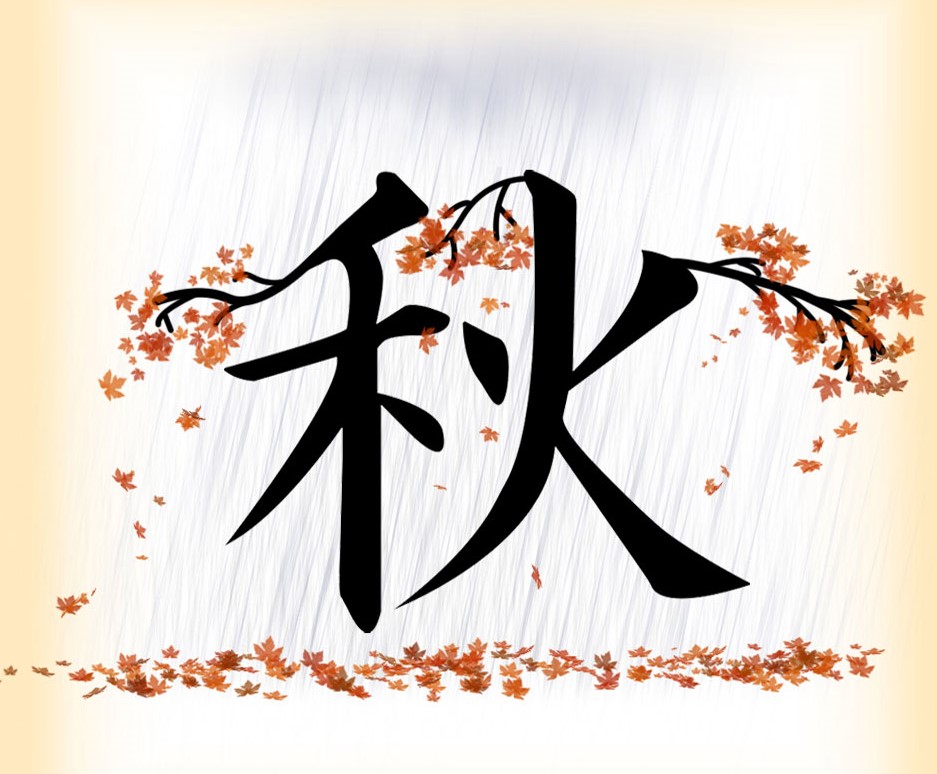
aki-moji001 (2)

What is ‘Autumn’ for you?

Autumn in Japanese is ‘Aki‘ and written as ‘‘. The character is made from two parts. The left part shows what it is connected to and in this case ‘ (Nogi-hen)’ means the character is something to do with ‘Crop’. The right part is ‘ (Hi)’ which means ‘Fire’. So by combining two parts together the character means ‘Drying Crop (by Fire)’. Japan has a culture of growing rice plants for many many years and we harvest it in Autumn. Traditionally we dried cut plants by hanging it in the field for weeks before threshing grains so it does make sense that Autumn is the time for ‘Drying Crop’ before a cold winter comes.

In Japan Autumn is described in several ways. We say Autumn is for Harvesting. Autumn is for Reading Books, Autumn is for Arts & Excercise. However, the most important thing about Autumn and we should never ever forget is that Autumn is for ‘Taste’ and ‘Appetite’.

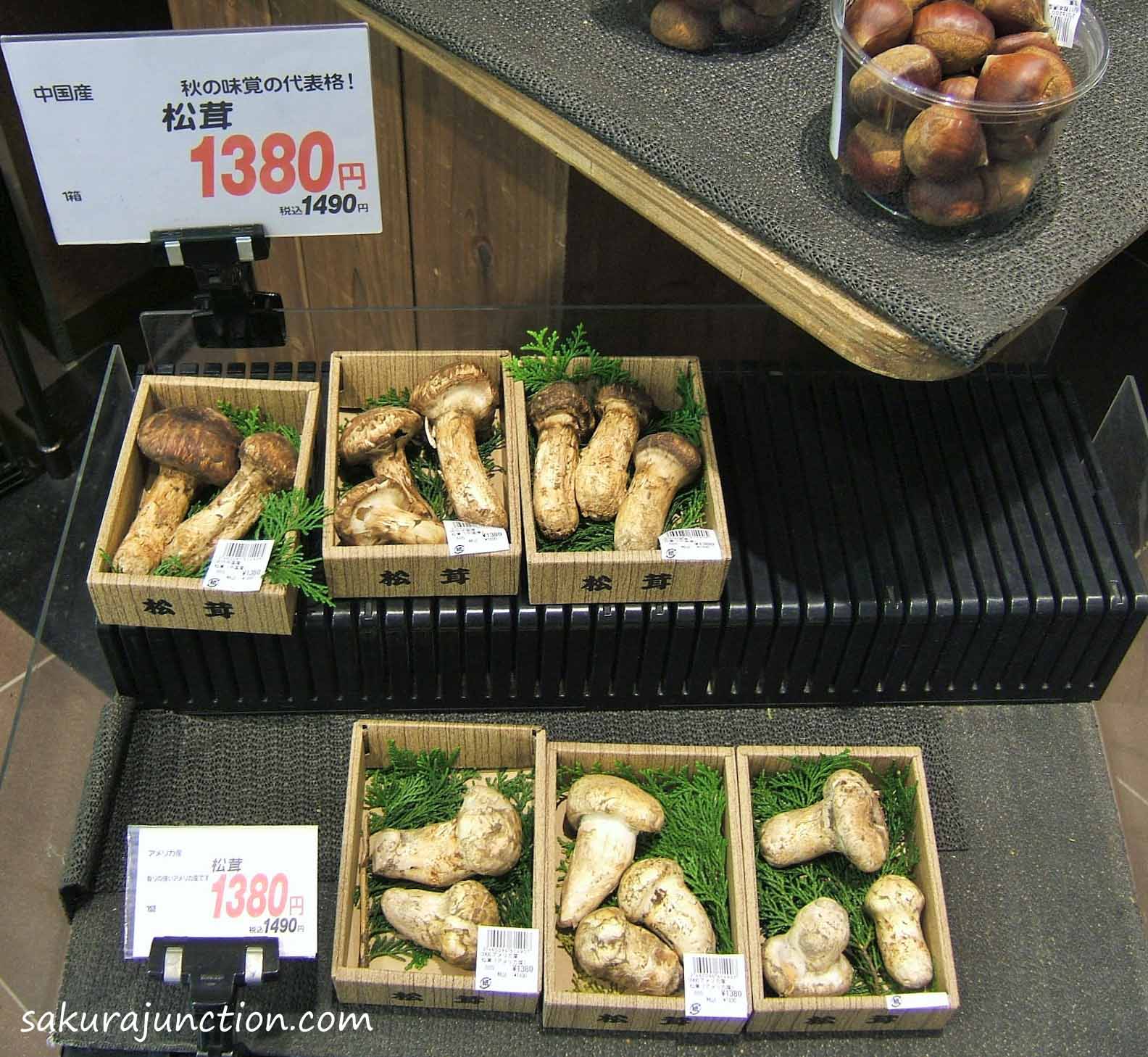
kuri matsutake

The Taste of Autumn – ’Matsutake’ mushroom and ‘Kuri’ chestnuts

Continue reading

Bento on ‘Respect for the Aged Day (敬老の日)’ 

Keiro Bento

The 21st of September was ‘Respect for the Aged Day (敬老の日)’ this year in Japan. It was one of the National Holidays for showing our respect and care for elderly people.

Bento on ‘Respect for the Aged Day (敬老の日)’

We ordered some Bento from a well known restaurant for my mother on ‘Respect for the Aged Day (敬老の日)’. The Bento was particularly planned for elderly people with the idea of  1. Easy to eat  2. with good source of various nutrients and  3. of course it had to be good quality food. We made a clear soup called ‘O-suimono‘ to go with it.

Keiro Bento 2

The ingredients and decoration was made in an Autumn theme. The amount of food was just enough ‘Hara Hachibunme (腹八分目)’ (‘Hara’=stomach, ‘Hachibunme’=80%) for us. It means moderate eating up to 80 percent in stomach is the key for a healthy life.

Continue reading

Do you know Today is ‘TOFU’ Day?

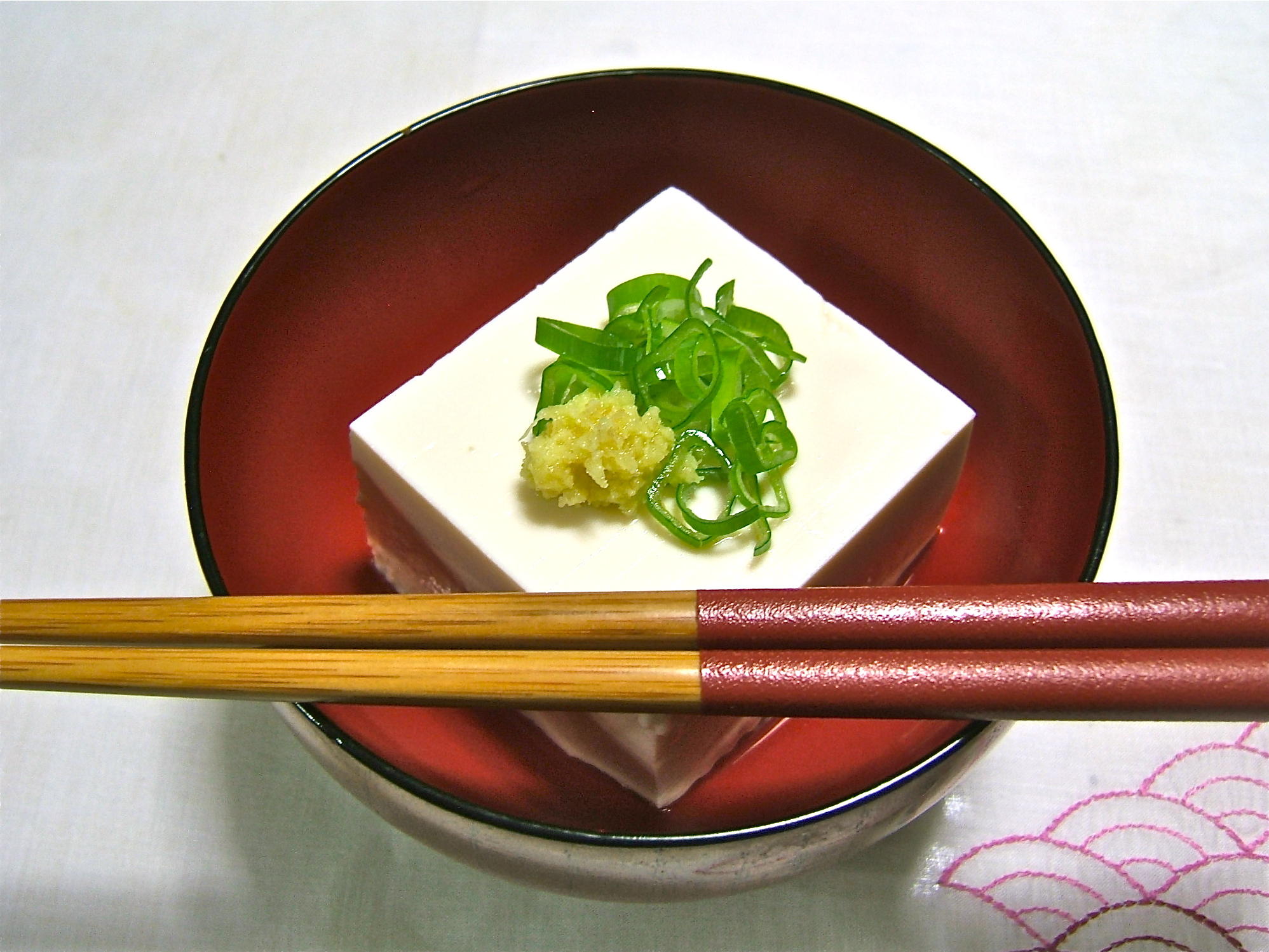
DSCF4807

Today is ‘TOFU’ Day

Why?

Today is the 2nd of October. In Japan month comes before date so today’s date is the 10th month (October) and the 2nd day. In Japan we have several ways in reading number. We read ‘10’ as ‘To(u)’ and ‘2’ as ‘Fu’ in some reading. By connecting both it becomes ‘To-Fu’. That is why it is ‘TOFU’ Day today. You got it? It is a silly pun playing on words but it’s good to remind people about certain foods & things and make people appreciate what we have.  🙂

The Infinity Dreams Award

infinitydreamsawardpic

It was just about one month ago that I was nominated for ‘Sisterhoods of the World Blogger Award’ and then I was nominated again for another award. This time it is for ‘the Infinity Dreams Award’ and the generous recommender is Trudy from Rendezvous En New York. Thank you Trudy! She is a lovely New Yorker who writes about the life she comes across in NY in wide range of subjects from Arts, Food and People.

Continue reading

Tai-Yaki & Half-Moon-Yaki            (たい焼き&半月焼き)

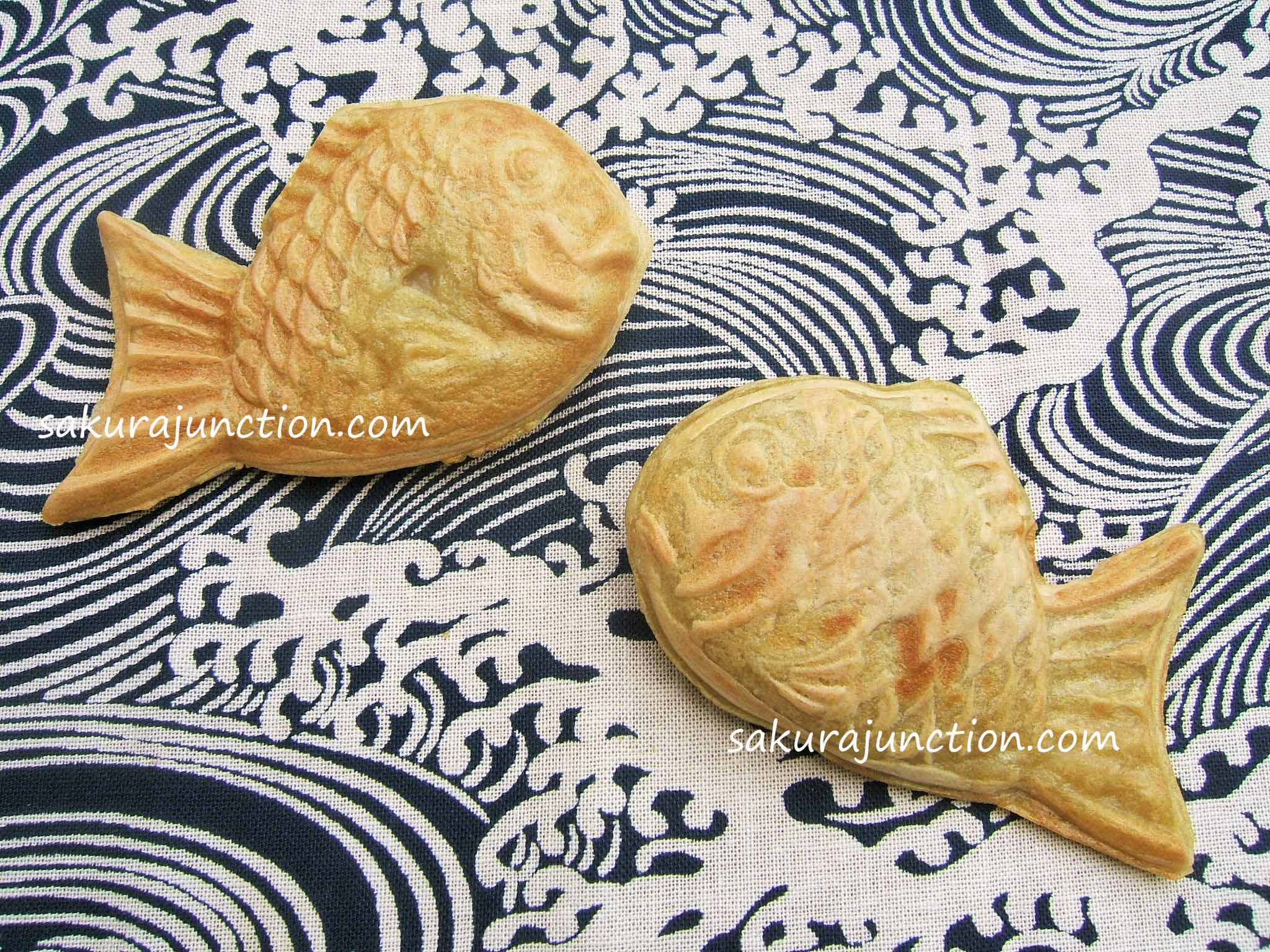
Taiyaki in the sea

So my fist post after ‘How to Make Tsubu-An’ is ‘Tai-Yaki’. It is one of the most popular street foods in Japan. The name ‘Tai’ means ‘Sea Bream’ and ‘Yaki’ means ‘something baked or grilled’ in Japanese. Although it is called ‘Tai/Bream’ it has sweet filling, which is normally bean paste, and not having any fish at all. It is just a fish shaped sweet.

It is a waffle like sweet filled with traditionally Tsubu-An centre. Recently people started using some new fillings but Tsubu-An is still the most popular one. That is just because it is the best combination & simply delicious.

Tai-yaki inside

Tai-yaki with Tsubu-An & ‘Shiratama (mochi)’ filling

Continue reading