Yomogi Mochi

Winter in Japan is very cold and snowy but once Spring comes all the plants in the field and mountain start to grow rapidly. As you might know already Japanese like to add some seasonal touch into food and it can be a shape or some flavour added to create a taste of the delightful season.

Yomogi

Yomogi

One of the wild Plants we traditionally add into making Mochi is ‘Yomogi’ leaves. It is a type of Mugworts (Artemisia indica var. maximowiczii) and it used to grow anywhere by the road or field. The upper side of leaves is dark green and the lower side is white-ish colour covered with tiny hair like structure. When you mix the leaves into a sweet it gives a dark green colour but what we like the most about using this plant is the very distinctive slightly bitter flavour that it gives. When it’s added to sweet and combined with sweet bean paste the bitterness of the leaves enhances the sweetness of the bean taste and creates the harmony in flavour.

Yomogi Mochi

I created this Yomogi Mochi as one of the sweets for having during the ‘Hanami’ Cherry Blossom viewing occasion.

Yomogi Mochi4

Continue reading

‘Momo-no-Hana’ Mochi

I feel the sky looks brighter these days. The atmosphere is lighter and theΒ air is warmer. I sense that the spring is coming nearer day by day. I even feel birds’ song sounds so much more cheerful. Maybe they are happy that spring is just around the corner.

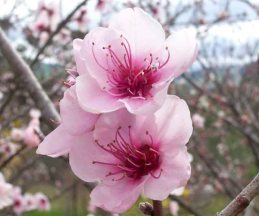
Peach flowersAbout two weeks ago I posted that the 3rd of March was the Girls’ Day in Japan. The symbol of the Girls’ day is ‘Momo-no-Hana‘ Peach Flower, and this flower is also the sign for the arrival of spring. I made a Japanese sweet inspired by Peach flower for this month.
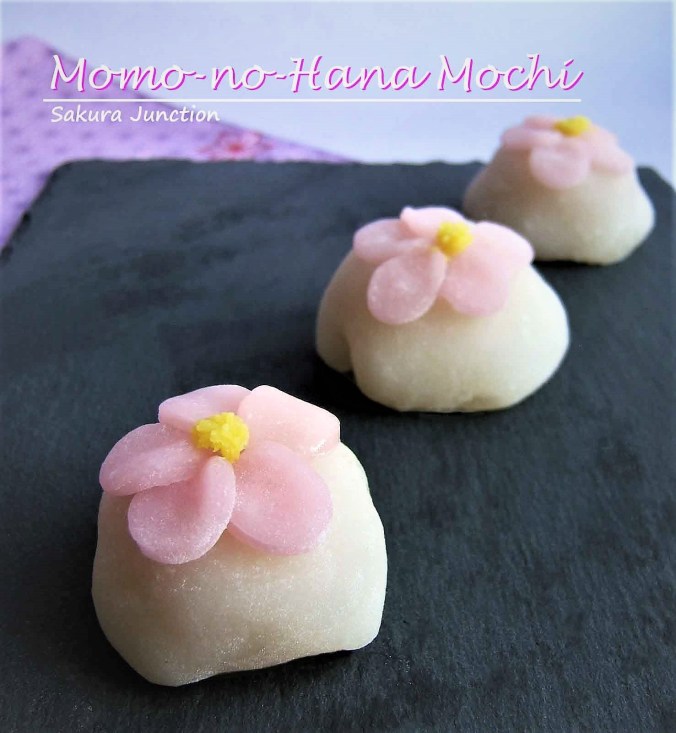
 

‘Momo-no-Hana’ (Peach Flower) Mochi

Momo no Hana Mochi 6-22

Continue reading

Camellia

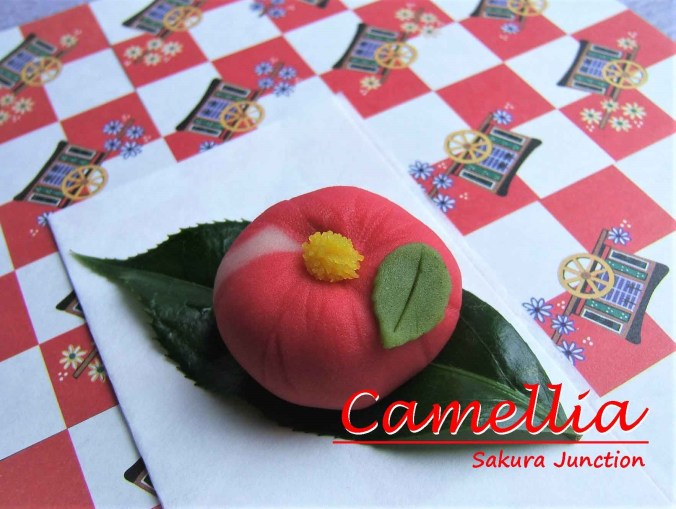
It is usually ‘Red’ that I see as the first colour in my garden at the start of every New Year. It is the flowers of Camellia we have at the very back of the garden. Dots of the deep red are the sparkles which brighten up the garden in wet and gloomy days but the shrub hasn’t had the colour yet this year. It has many flower buds waiting to open but they are still tightly closed. Maybe it’s because of the mild winter this season. Only recently we have started having normal cold weather. Nature is sensitive to climate change so my Camellia shrub must have been a little confused.

By hoping to see my Camellia Red soon, I made some sweets in the shape of the flower.

Camellia, Nerikiri

camellia-3-side

It is Japanese sweet called ‘Nerikiri‘. I made a Red flower with a white tinge and a white one with a red tinge.

camellia-1-2

Continue reading

Sho-Chiku-Bai γ€€

Have you heard about ‘Sho Chiku Bai‘? You might think “Yes, it’s a ‘Sake’, isn’t it?. That is correct, but there is an origin that the company named their sake with that name. ‘Sho-Chiku-Bai‘ means ‘Pine Tree – Bamboo – Plum Blossom’ in Japanese in this order. They are the three objects Japanese think very auspicious so that we use an image of these three a lot for happy occasion such as a wedding and during New Year period.

I wanted to make some kind of sweet based on ‘Sho-Chiku-Bai’ and came up to this idea.

Sho – Chiku –Β  Bai

sho-chiku-bai-two-top

It is made of a type of Japanese Sweet called ‘Nerikiri‘ and not marzipan which you might think it looks like.

sho-chiku-bai-two-front

The main ingredients are Beans, Sugar and Rice Flour. It is very simple but through a lot of complicated process.

Continue reading

Petal Mochi (Hanabira Mochi)

Happy New Year to you all again!Β  Hope you had great Christmas and New Year’s Day. The first sweet I would like to introduce you in 2017 is this sweet called ‘Hanabira Mochi‘.

Petal Mochi (Hanabira Mochi)

petal-mochi-top-croped2

Hanabira‘ means flower petal in Japanese so I shall call this sweet Petal Mochi.

It is a sweet we traditionaly have only during New Year period. It started in the palace to celebrate a New Year by eating two layers of white and red mochi with some other food. Until the Meiji period the custom spread out to people in the country and the food got simplified onto some similar type of sweet that I made here.

Continue reading

Sweet ‘Mochi Snowman’ β›„

This year we are having very mild winter in England. We hardly need to heat rooms during daytime and wear gloves outside. So it is very unlikely that we are going to have a White Christmas. Although it is not cold, in my mind “Winter = Snow” so another sweet I made in the Winter theme was this one.

Mochi Snowman

snowman-hiding

It is made of ‘Mochi‘ Rice Cake type of sweet.

Continue reading

Autumn Sweet Gift Box

Just before Halloween I received an order for a gift box of Japanese Sweets. I was told that the gift was for a family with Japanese and also some non-Japanese people so that the client wanted me to make variety of sweets that could be enjoyed by everybody. I thought a lot to decide which sweets were most suitable and seasonal for this occasion.

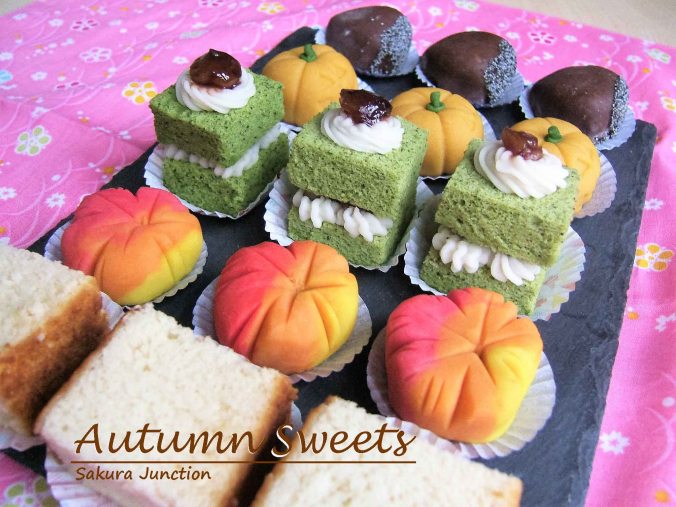
These are the finalists for “Autumn Sweet Box Set”.

autumn-sweet-gift-in-box

The selected sweets for this occasion in the photo (↑) from right to left

  1. Matcha Ukishima Cake with Sweet Chestnut (Free from Gluten, Oil & Dairy)
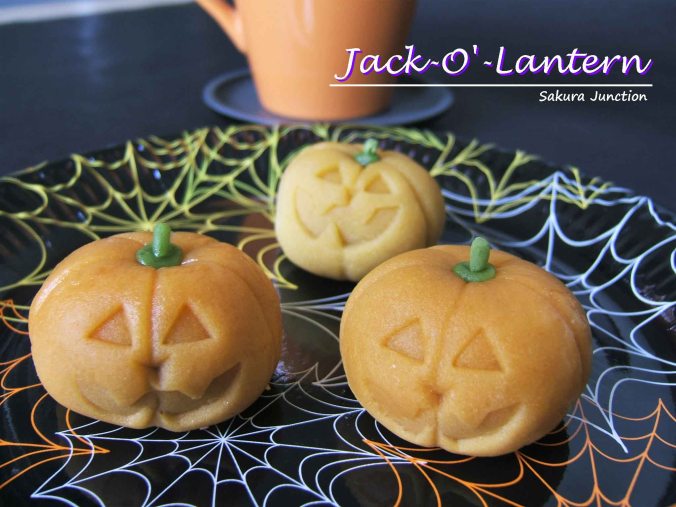
  2. HalloweenΒ Jack-O’-Lantern (Free from Gluten, Egg, Oil & Dairy)
  3. Mochi Sweet Chestnut (Free from Gluten, Egg, Oil & Dairy)
  4. Japanese Maple (Free from Gluten, Egg, Dairy)
  5. Plaine Castella (Free from Oil & Dairy)

In case you cannot get a good view of them from the top these are the side shots of them which are much closer.

autumn-sweet-left

Continue reading

Mochi Sweet Chestnut – The Taste of Autumn

Officially it is Autumn now. In the UK the clock has been set back to Winter Time so that morning starts in darkness and the Sun sets very early. The weather has been becoming more and more wet and miserable. On the contrary in Japan Autumn is described as for 1. Sport, 2. Appetite, 3. Arts, 4. Reading Books and then 5. Great Autumn Colour and more!

The reason that “Autumn is for Appetite” is simply because there are so many tasty food that become available during this season. They are Mushrooms (including super Mushroom ‘Matsutake‘), Fruits (such as ‘Kaki’ Persimmon), Sweet Potatoes, Ginkgo Nuts and so on …

However, the delicacy we enjoy the most of all is ‘Kuri’ – Sweet Chestnut. Everybody loves Sweet Chestnut in Japan. I have to say that it is almost like “Kuri = Autumn” for Japanese. We make lots of sweet with Kuri Chestnut and we cook even rice with it.

So inevitably I chose Sweet Chestnut as the material for the sweet of November.

Kuri – Mochi Sweet Chestnut

mochi-chestnut-in-autumn-colour

Continue reading