Raspberry Mochi Cake / ラズベリー餅ケーキ

There is a Japanese traditional food that is a Japanese favourite but almost all foreign people disliked it. That is ‘Mochi’ Rice cake. Many western people have said that “Mochi is not enjoyable even if it is as sweet or savoury, and however it’s grilled or cooked with sauce”… That is until now. Mochi became very popular just recently at least in London. It has been used as topping on some dessert such as Frozen Yogurt and Ice Cream.

Because I knew western people didn’t like the texture I was avoiding to make any sweet with the Mochi texture in London. However, there is huge demand for Mochi nowadays. What is happening? It was so unthinkable before.

So I created this sweet with Mochi and Raspberry to make it looks like a western cake.

Raspberry Mochi Cake

How does it look?
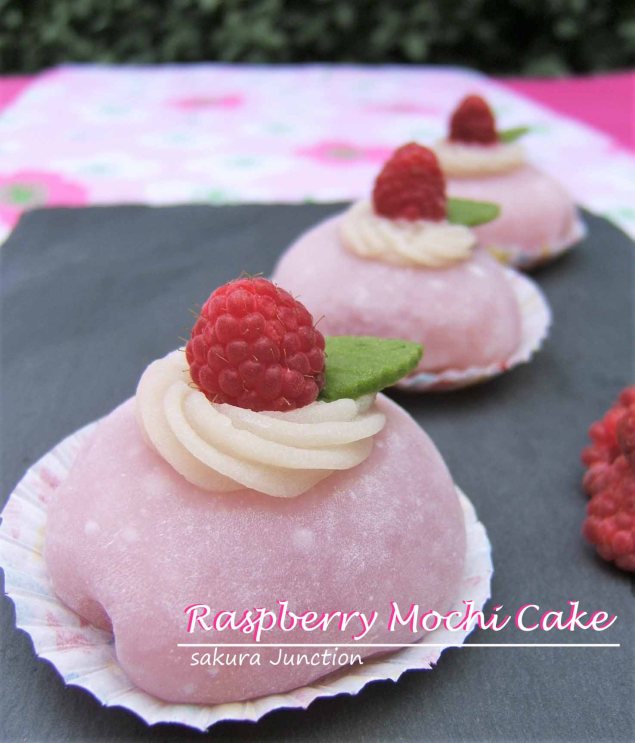
Raspberry mochi Cake three

Continue reading

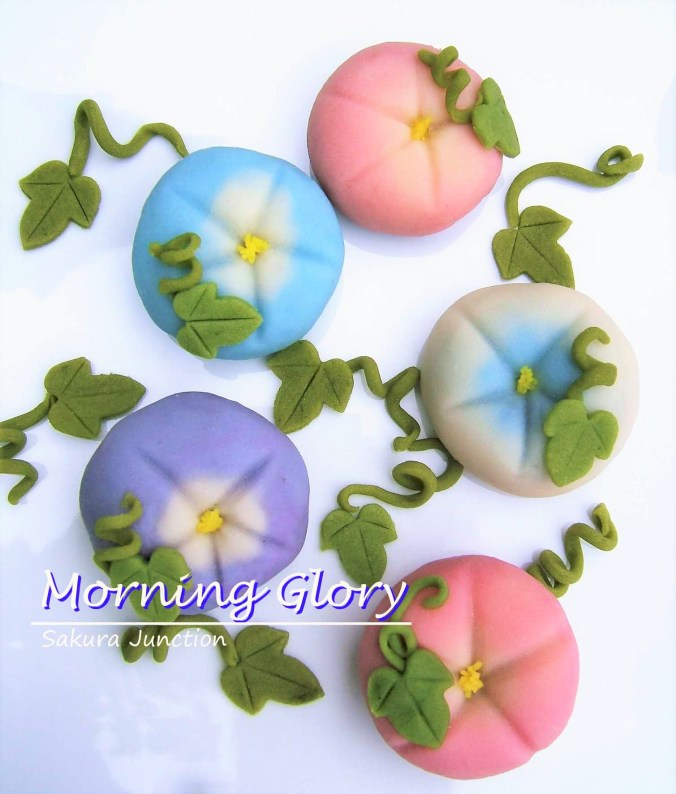
Morning Glory / Asagao 朝顔

Morning Glory top

It is mid-summer now. Even here in London we are having the hottest days so far this year. I know it is nothing compared to the heat and humidity of the summer in Japan or India, but still it is hot.

So what does Summer remind you of? For me it is the Radio Gymnastic Exercises and Morning Glory flowers. In Japan during school summer holiday many (probably not all) children get up early and gather in a nearby square or school ground. We tune in the radio to “NHK Radio Gymnastic Exercise” program which starts 6:30AM every day. After exercising each child receives a card and collect one stamp a day. On the way back home I remember I felt good and healthy after exercising in the fresh morning air and saw Morning Glory flowering beautifully at the front of many houses. The flowers are mostly in gradation between blue and pink which is my favourite colour.

1280px-Morning_glory

Its Japanese name is ‘Asagao 朝顔’ meaning ‘Face in the Morning’. Morning Glory opens its huge round flower in early morning and closes in the afternoon. The people in the old days maybe thought the flowers reminded them of smiley faces of children, I wonder. It is certainly a face of beautiful flower in summer.

Now we are in July. However, I don’t see them in London. So … I made my nostalgic summer flowers as Japanese sweet.

Morning Glory / Asagao 朝顔

Moening Glory white

Continue reading

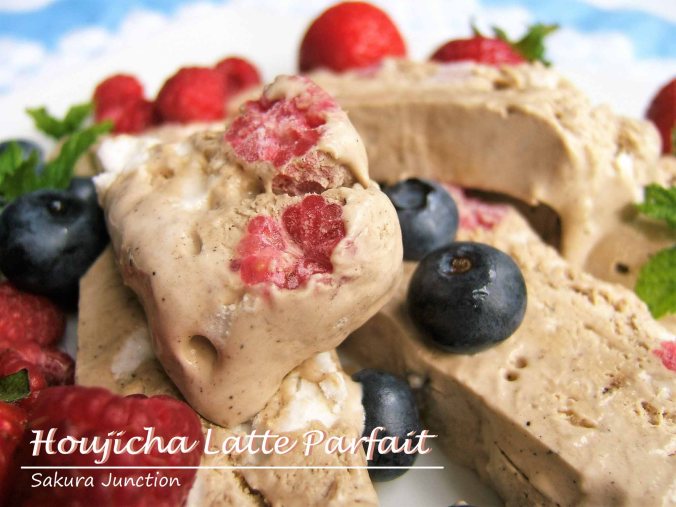
Houjicha Latte Parfait with Raspberries

I have been on a quest for searching a great way of using Houjicha Japanese Green Tea. When I saw a photo of Parfait dessert on a magazine I thought “This is it! It must be definitely tasty if I make this with Houjicha flavour”. I also wanted to add some colour and texture to it. As I posted earlier I have been harvesting Raspberries in my garden so I decided to use some into this dessert. With soft, melting but slightly crunchy texture, roasted Green Tea aroma and fresh sweet and sour soft fruit … I think it is perfect to combine Houjicha and Raspberries all together to make a Parfait.

Houjicha Latte Parfait with Raspberries

Houjicha Parfait close up 3

It is a great dessert for a dinner with friends. The best thing about this dish is that it is so simple to make. No fiddliness and no failure. I added some Raspberry and ready-made Meringue but you can use any other soft fruit or you don’t need to add anything at all. It is delicious as it is.

[Ingredients]

Raspberry & merange

Continue reading

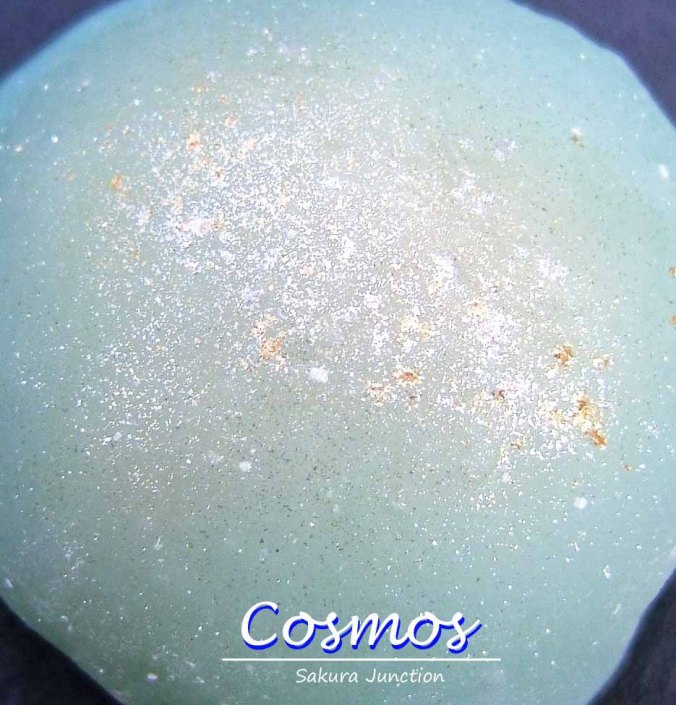
Cosmos/銀河 on Tanabata (七夕)

Cosmos up

On the 7th of July we have another traditional event in Japan. It is called ‘Tanabata 七 夕’. It seems like Tanabata originally came from China a long time ago but it became one of the Japanese traditions started in about Nara period (AD 710 to 794).

Tanabata (七夕)

The story behind the event is like this …

DSCF5870 (2)

Continue reading

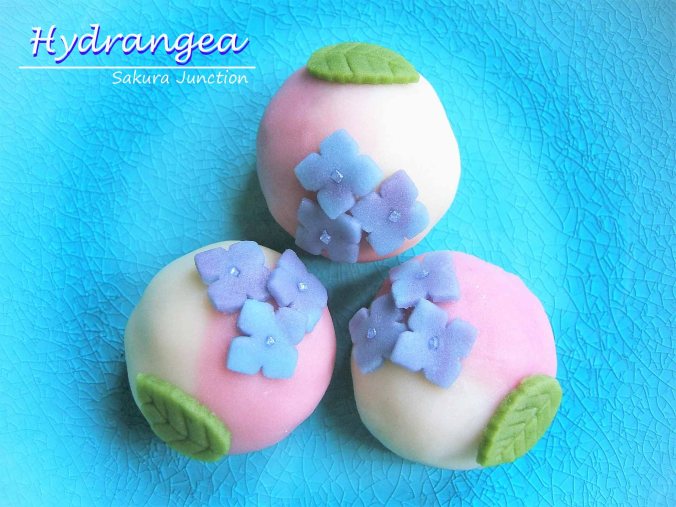
Ajisai / Hydrangea

Ajisai gathered 2

It rains a lot here in London these days and it is ‘Tsuyu 梅雨’ the Rainy season in Japan now too. Japanese like associating things with each season and we have a special name ‘Kigo 季語’ for those words that describe seasons in songs and poems like ‘Haiku‘. For instance they can be from weather (Snow), astronomy (Full Moon), event (Rice planting, ‘Hanami‘ Cherry Blossom viewing) or food (Clam, Wasbi). Of course plants and flowers are very seasonal and they are also Kigo.

So what kind of thing can be Kigo for this ‘Tsuyu‘ Rainy Season? There are several things that reminds me of Rainy days and one of the things I am very certain that most Japanese people would associate with must be ‘Ajisai / Hydrangea’ and a Snail. The plant grows and glorifies the flower during the Rainy season and the colour of the flower (OK, I know it is actually calyx and not petal) intensifies in rain and deepens. Strangely there is always a snail or two on a leaf. Ajisai and a Snail are inseparable in Japan.

Ajisai/ Hydrangea

During Tsuyu season it rains day in, day out, but you cannot just live in a life dark and dull. You need to brighten up your feeling as Hydrangea is getting more and more beautiful in rainy days.

Ajisai front - trimed

I tried creating several sweets in a theme of ‘Tsuyu’ for this month. ‘A leaf on a Puddle’ in my previous post was one of them and this ‘Ajisai/ Hydrangea’ was another.

Continue reading

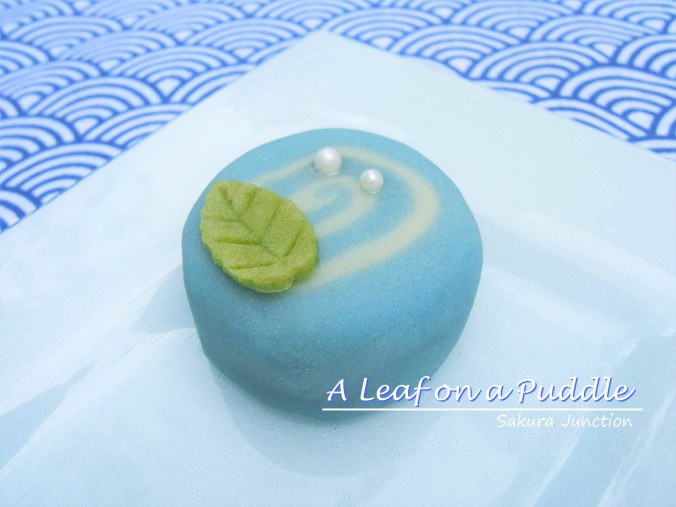
A Leaf on a Puddle on One Rainy Day

A Leaf on a Puddle Centre 2

The weather has been a little crazy in England. We had a short heat wave about three weeks ago and then it became very cold for a week. It suddenly became much hotter again and the temperature jumped up about 10 degree. Then again it became rainy for the last few days. It was thundering with heavy rain the other day but now at this moment …

‘Tsuyu (Rainy Season)’ is coming

The weather in Japan seems also a little strange this year. In some northern part it snowed right after the temperature was 30℃. However, it is June now and the one thing we are sure is that the ‘Tsuyu‘ is coming to Japan soon most definitely. ‘Tsuyu‘ is the Rainy season written as ‘梅雨‘ in Japanese. The first character ‘‘ means Plum and the second one ‘‘ is Rain. So why could ‘Plum-Rain’ mean Rainy Season?

There are several theories regarding the word. [Theory 1] It is because it’s the season Plum fruits ripen. [Theory 2] The word ‘Baiu (黴雨)’ came from China meaning as Rainy Season a long time ago. The first character ‘黴’ means ‘Mould’. Because in high humidity things gets mouldy easily so then it was actually ‘Mouldy Season’. However, people in Japan did not like the sound of Mouldy Season so changed the character ‘黴’ to ‘梅’ which has the same sound ‘Bai’. Now the Rainy Season is written as ‘梅雨’ and read either ‘Baiu’ or ‘Tsuyu’.

A Leaf on a Puddle

I wanted to make a Japanese sweet in the theme of Rainy Season. I tried several ideas and then a Puddle image popped into my mind.

A Leaf on a puddle single 2

This sweet is created from an image of a puddle with a leaf floating on its surface. Rain has been stopping for a while but some droplets have just started falling onto the puddle to make a swirl and some bubbles.

Continue reading

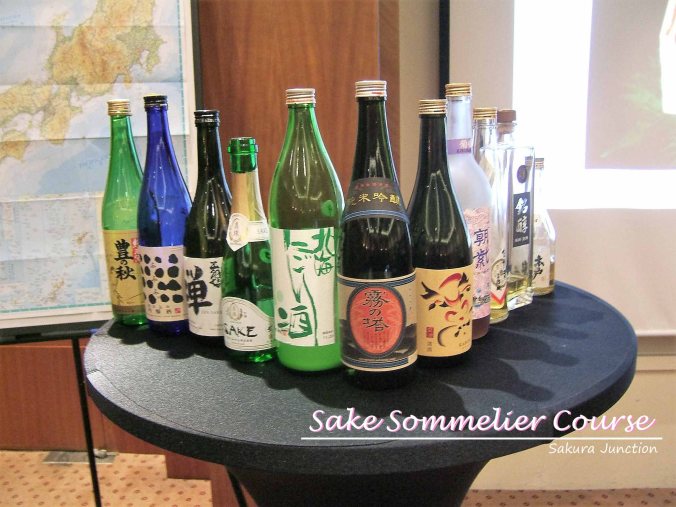
Now, I am a 🍶Sake Sommelier!

Last year I entered to a Sake recipe competition for which I had to create two Non-Japanese food recipes, one savoury and the other a dessert. To my surprise I went through to the final that was held in London in January. More surprisingly I won second place among 6 finalists. I have posted about this event and what happened to me on that day.

At the end of that event I was given some vouchers. That was great but that was not the main prize. The prize for the second place was “Two Days Certified Sake Sommelier Course” by the Sake Sommelier Academy. Although there are more and more people interested in Japanese alcohol ‘Sake’, the course runs only 2-3 times a year. So I had to wait to attend the course until the next one would be held in London and that was last week. So finally my waiting was over!

Two Days “Certified Sake Sommelier” Course

Sake selection.jpg

Selection of Sake

Continue reading

Shobu (菖蒲) / Iris

Shobu front

Koinobori‘ on my previous post is the traditional decoration on the ‘Kodomo-no-Hi‘ (Children’s Day/Boy’s Day) on the 5th of May in Japan. Another tradition on the day is that we decorate out house with ‘Shobu (Iris)’. So what is the reason behind this custom?

‘Shobu (菖蒲)’ on ‘Kodomo-no-Hi’

1280px-140614_Yagyu_Iris_Garden_Nara_Japan02bs5

Hana-shobu (ja.wikipedia.org)

First of all there are two types of ‘Shobu‘. One of them is ‘Hana-Shobu‘. It is Iris which we enjoy the magnificent flower with a striking colour and shape. The other one is medicinal ‘Shobu’ with very scented leaves but with insignificant flowers. They are totally different plants.

It seems like that people started using Shobu for this ceremonial occasion because …

Continue reading

Kodomo-no-Hi / Koinobori

Koinobori

‘Koinobori’ sweet

Time passes fast. Very fast indeed! It’s already May. This week people in Japan are having the longest National Holiday break in a year called the Golden Week. One of the Bank Holidays during the Golden Week is the 5th of May, ‘Kodomo-no-Hi‘. It is a day to celebrate the growth & health of children, but it is more like the Boy’s Day. We have the Girl’s Day on the 3rd of March as I posted before.

‘Kodomo-no-Hi’

There are several things people do on the Kodomo-no-Hi. The most famous thing is that we place fish shaped flags outside called ‘Koinobori‘ (‘Koi’ means carp and ‘Nobori’ is a kind of Flag). We have a song about it for children.

🎶 Yane yori takai Koinobori 🎶

It means “Koinobori swimming higher than the roof …”

%E3%81%93%E3%81%84%E3%81%AE%E3%81%BB%E3%82%99%E3%82%8A

Koinobori swimming high in the blue sky

Yes, it is placed traditionally higher than a roof, and some of them are bigger than a house. However, because many people live in a small apartment these days the size of Koinobori became much smaller in the last 50 years. From a week or two earlier towards the 5th of May you can see Koinobori swimming in the blue sky. It is a magnificent sight with a bit of wind, as they look like swimming in the sky. (However, I just saw somebody’s comment on social media that there is no Koinobori seen around where he lives…)

Continue reading