Japanese Sweets Making Workshop in London

Come join us for an afternoon of creating delicious Japanese sweets at our in-person event. Get into the Christmas spirit and learn how to make traditional Wagashi treats with a festive twist.

Wagashi is the general term for Japanese sweets and there are many types. In this workshop we will make three designs of the fresh type of Japanese sweet called ‘Nerikiri’. These are often accompanied with a bowl of Matcha tea in a tea ceremony. Although it is traditionally Japanese, the design can be contemporary and this time we are going to make three designs in the Christmas theme. They are all vegan and gluten free.

No experience is necessary, as our expert instructor will guide you through the process step by step. Bring your friends and family along for a fun and memorable experience. (*Suitable for ages 12+ yr, but we advise children are accompanied by an adult on a separate ticket.) Don’t miss out on this unique opportunity to learn a new skill and enjoy some tasty treats! You can take home and consume all your creations.

[Link to the Details & Tickets below]

Look forward to seeing you there!

Hina Mochi on Hinamatsuri

hishimochi-2Today the third of March is Hanamatsuri – Girls’ Day in Japan (Don’t worry, there is Boys’ day too). I have mentioned about this day in the past so if you are interested please read the articles in 2017 and 2018.

There are several traditional food/sweets we eat on this special day and Hishimochi is one of them. It is a diamond shaped sweet made with three coloured Mochi (in pink, white and green) place on top each other.  In 2017 I made this Hishimochi sweet with steamed Japanese sweet instead using Mochi.

Hina Mochi

This year I made this Hina Mochi instead that is a Mochi type sweet I got inspired by Hishimochi. It is a round Mochi in the traditional Hishimochi tri-colours.

Hina mochi1

Continue reading

Chocolate Heart for Valentine’s Day!

💕Happy Valentine’s Day!💕

What is significant for this day where your are? Valentine’s Day is the western idea to show how much you love your wife, husband, girlfriend and boyfriend. This was not a custom in Japan until the 1970’s when one chocolate company advertised that “it is the day a girl can tell her love to a boy by sending chocolates as the gift”. Since then the chocolate industry has been go crazy before Valentine’s day every year.

Chocolate Heart Mochi with Red Currant Jam

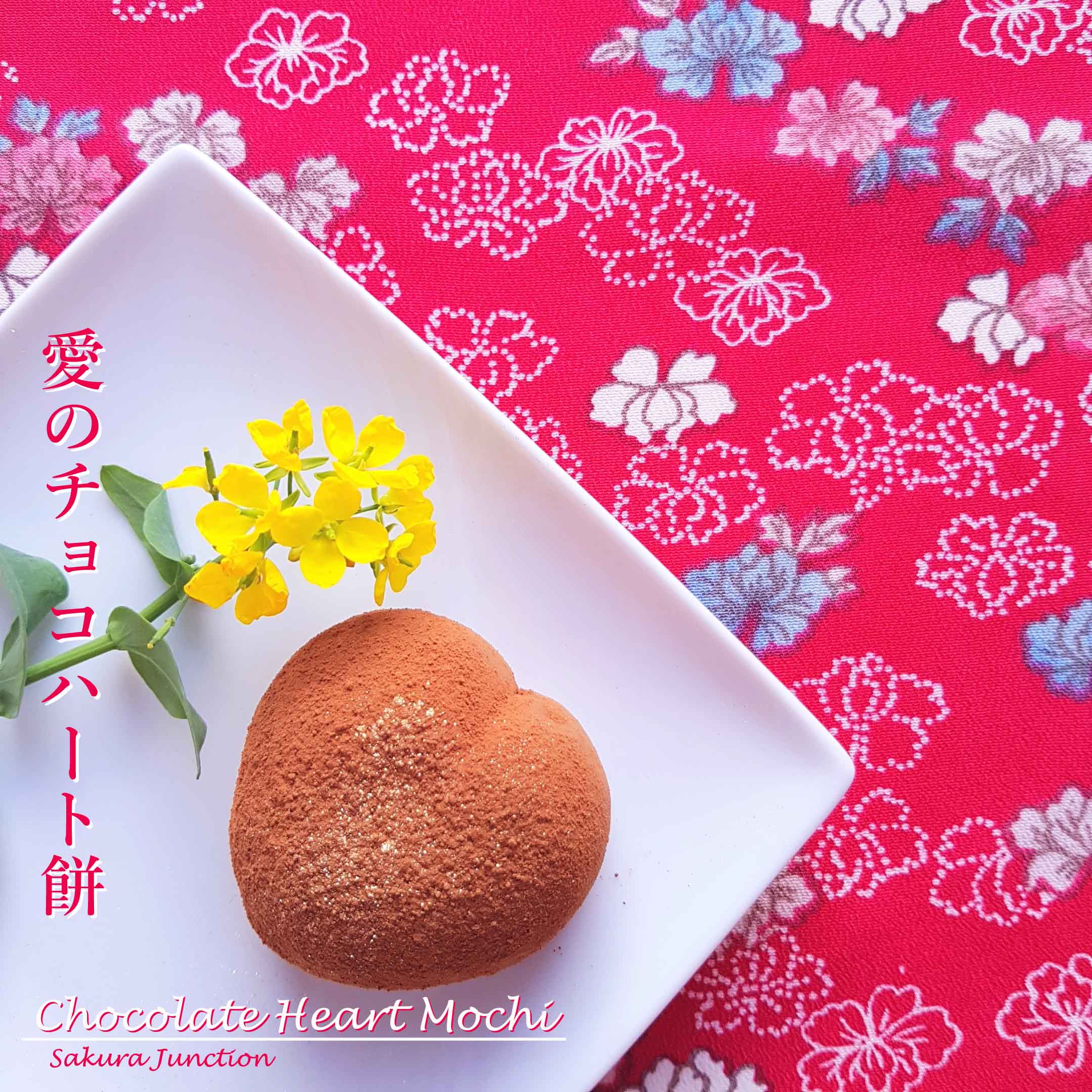
I made this Chocolate flavoured Mochi for Valentine’s Day this year.

chocoheart

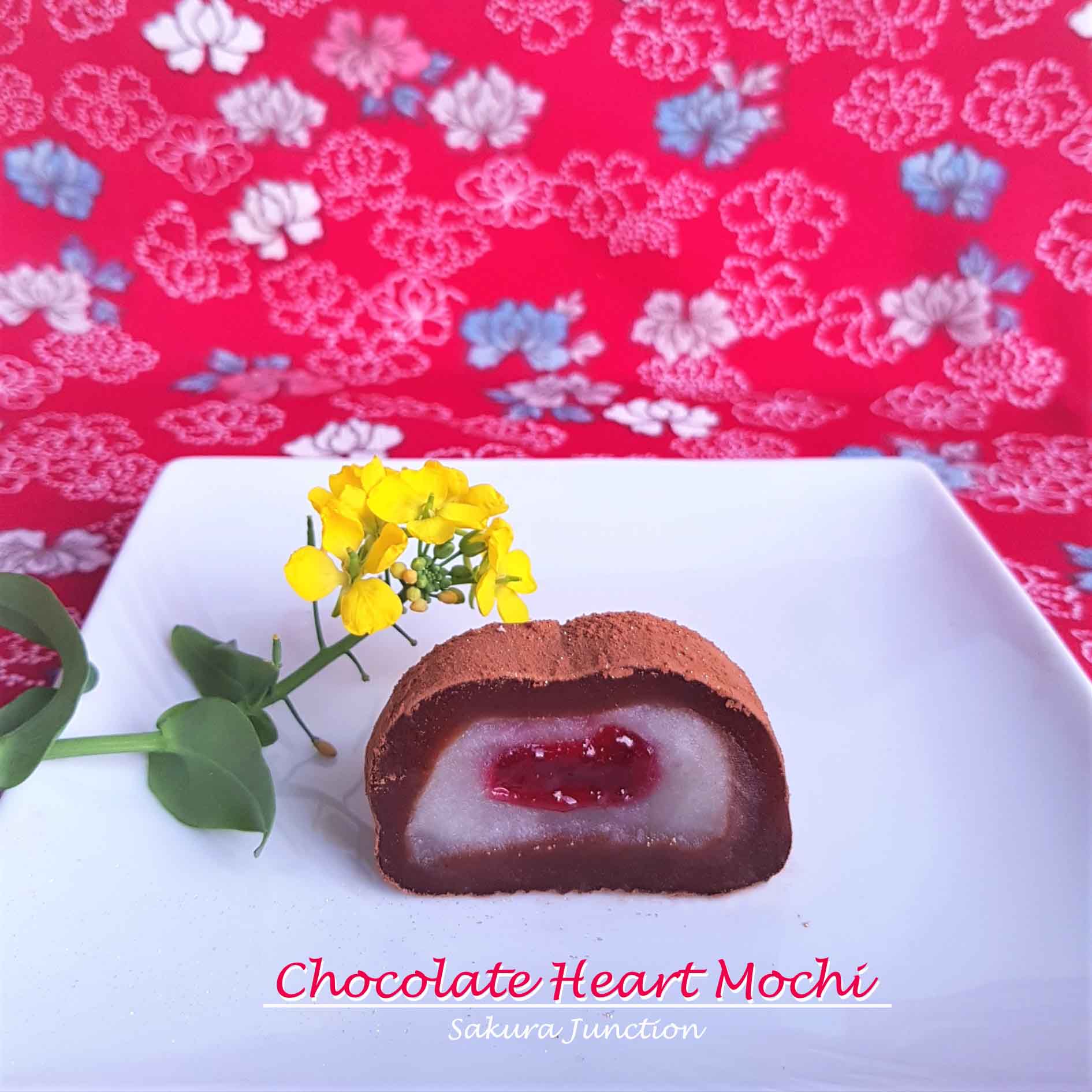
It is a heart-shaped Japanese sweet with chocolate flavoured Mochi outer layer and sweet white bean paste and homemade red currant jam inside. For this special occasion it has the golden love potion powder sprinkled on top.

chocoheart2

The Great thing is that you can taste this sweet at the Matcha Bar at the Havan Store (262 Kensington High Street, London). They will serve this sweet during February.

It’s Vegan and Gluten free.

Maybe love is like a Chocolate Mochi! 💕Have a wonderful Valentine’s Day!!💕

Japanese Birthday Cake

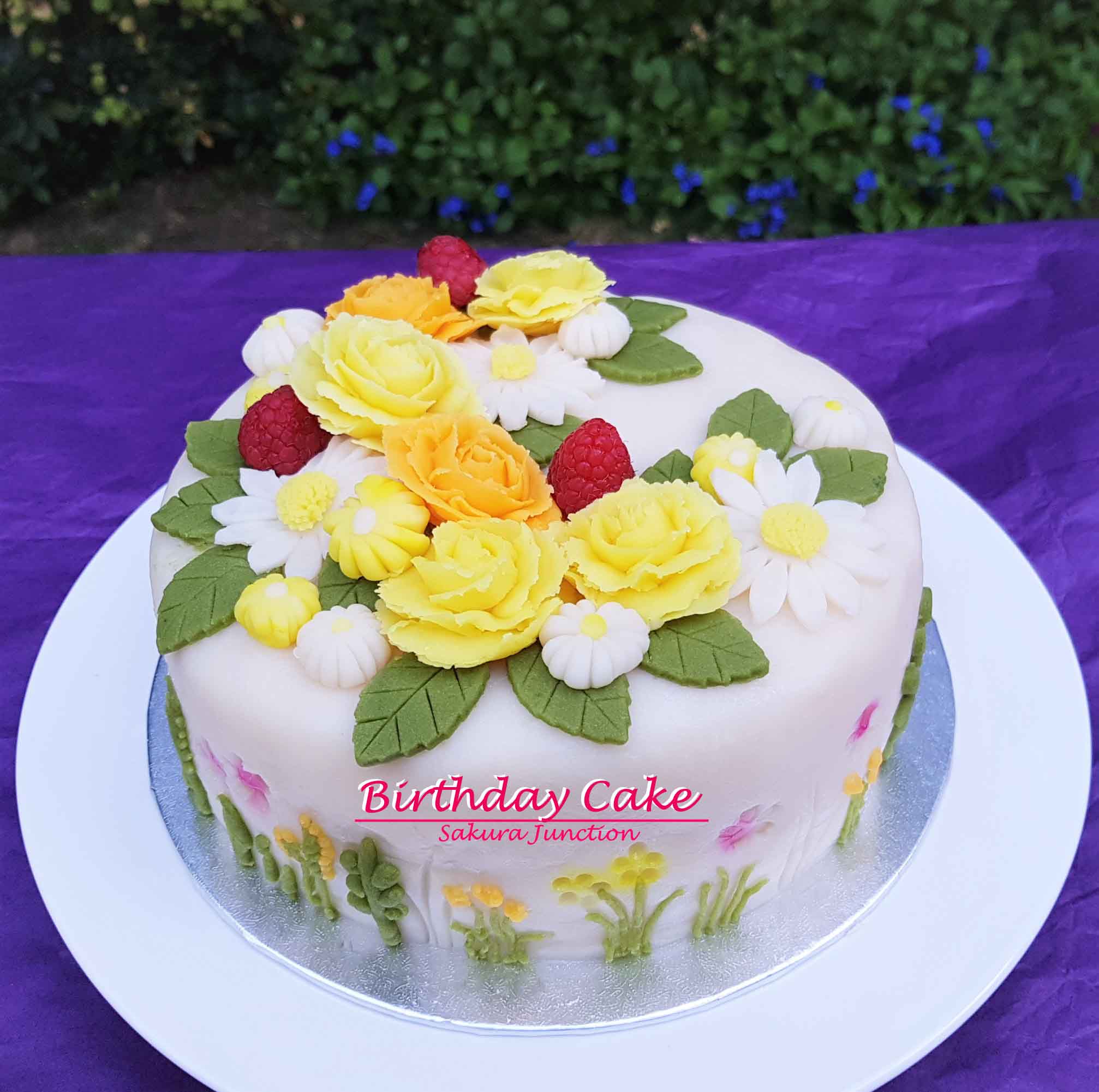
I created something I have never made before. I received an order for a Birthday Cake by one very enthusiastic customer of my sweets when they were served at the Kimono shop in Notting Hill, London. There were two options for a Japanese sweet cake. One of them is a traditional Japanese sweet in a cake shape and the other one was a cake with a traditional but sponge-like Japanese sweet as a base with some Japanese decorations. Japanese sweets I often make are mainly made with beans, sugar and rice flour so that they are vegan. I could happily make the traditionally Japanese vegan sweet into a bigger cake shape, however, I have been thinking to try making a very western looking cake but actually a Japanese sweet.

Japanese Birthday Cake

I suggested the latter option to the client and she agreed with it, so here is the Japanese Birthday Cake I made for her.

Birthday Cake2

Continue reading

Yuzu Mochi

When did ‘Yuzu’ became a household name? Maybe it is not that well known yet but if you are an official foodie, you must have heard the name at least once. For me the first time I heard the name Yuzu coming out from an English person’s mouth was on TV programme ‘the Great British Bake Off’ a few years ago. One of the contestants was using its juice as the key ingredinent for his special cake. So what is Yuzu?

SONY DSCYuzu is a small citrus fruit we cultivate in Japan. It has a quite tough skin and a sharp taste so it is not for eating fresh as a dessert fruit, but it has a marvellous aroma so we add the juice or skin into some dishes and a dipping sauce for enhance the flavour.
When I saw the baking programme I thought ‘where did he get that Yuzu from?’ I believe almost nobody knew about the fruit in England at that time and it was impossible to find Yuzu anywhere in London. How funny the time passes and the situation changes. Now, just a few years later, the bottled juice is available in major supermarkets and if you are lucky, even fresh ones can be found in some Japanese Food shops.

Yuzu Mochi

In a cold evening it is wonderful to have a Hot Pot with a hint of Yuzu flavour. So Yuzu is a flavour of Winter.

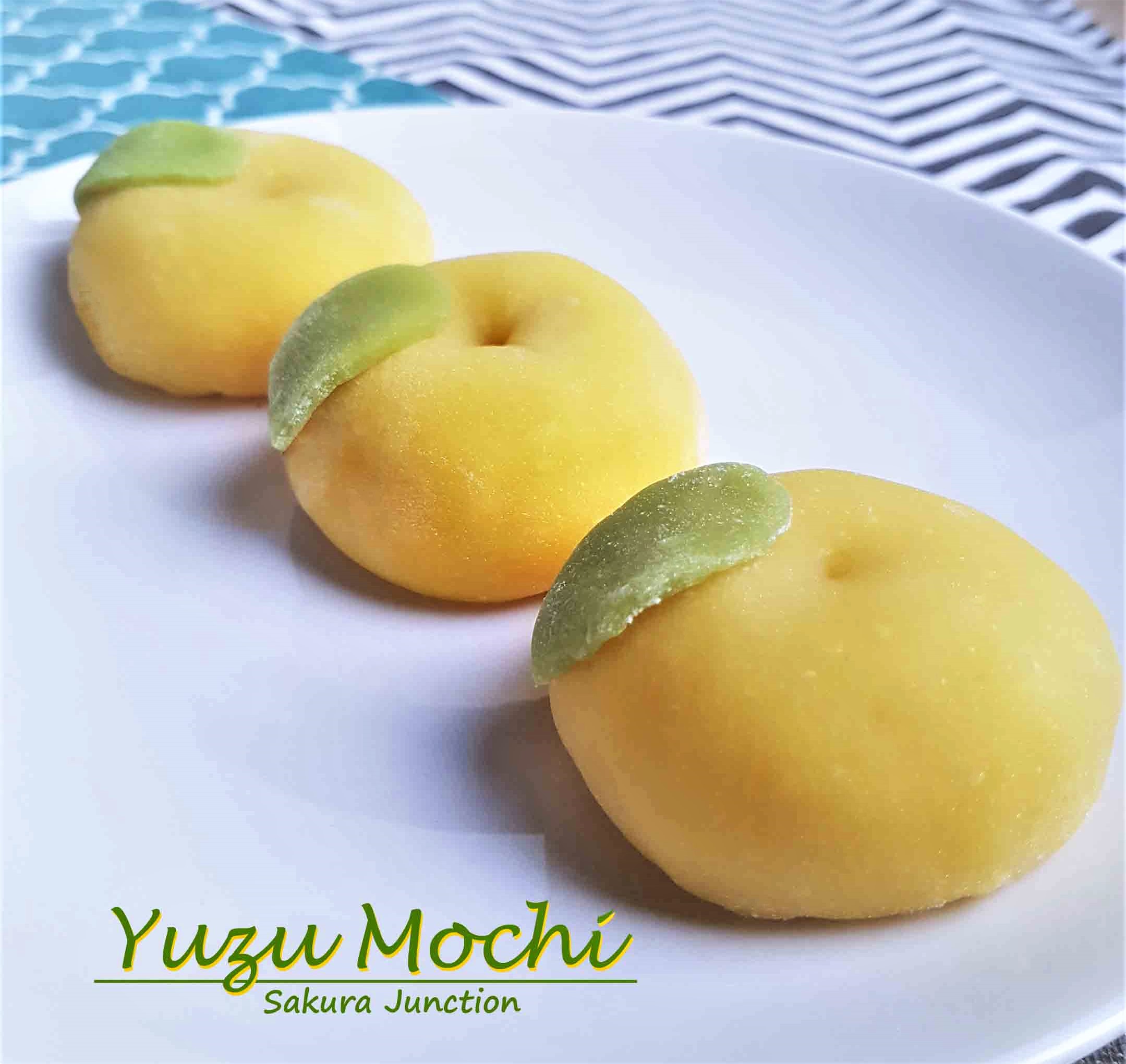
I made a Mochi sweet that has a scent and flavour of Yuzu.

Yuzu Mochi

Continue reading

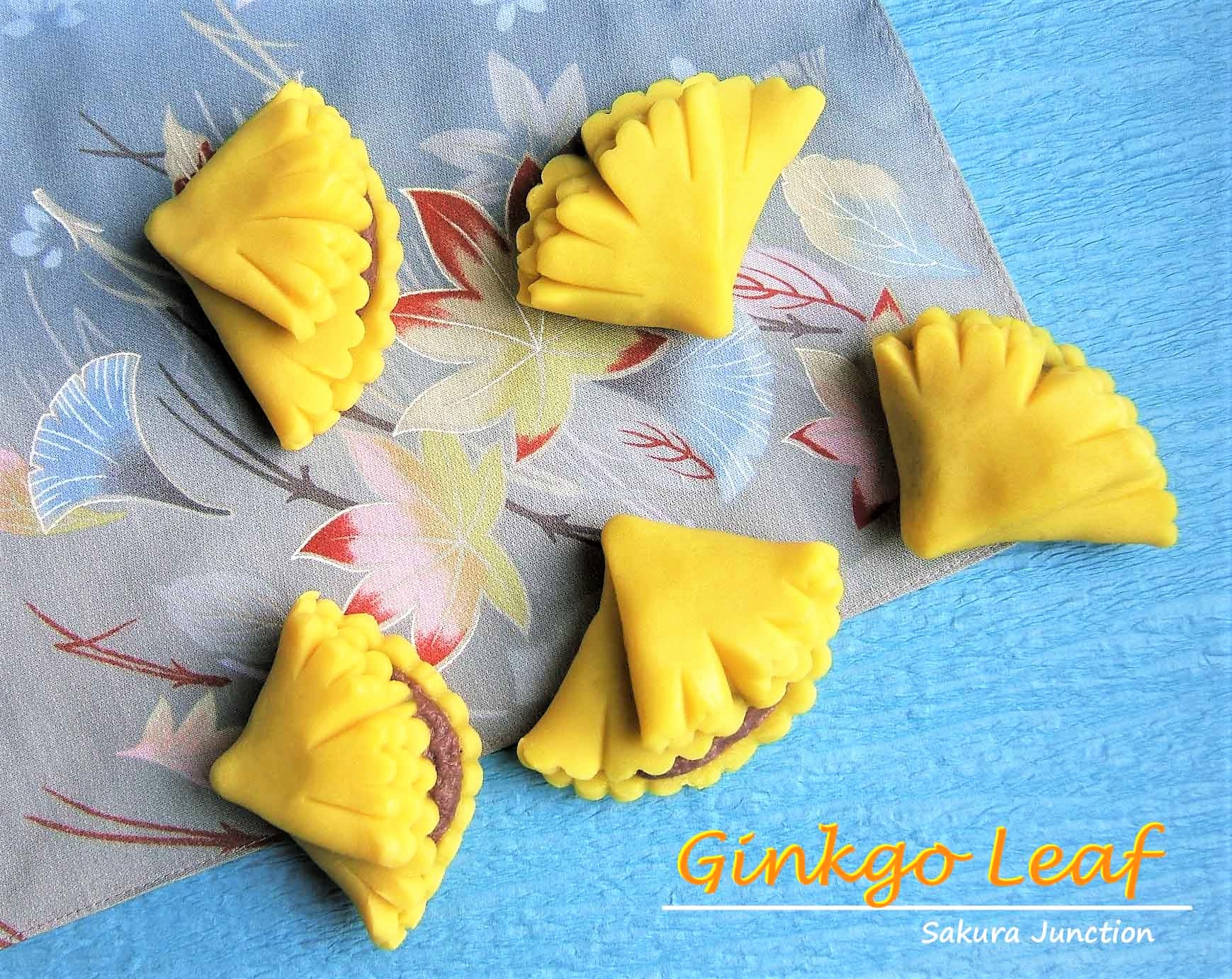
Ginkgo Leaf

My second sweet for November is also in the Autumn Colour theme. The shape is the leaf of ‘Ginkgo’ which becomes the most brilliant yellow colour during this season. Ginkgo is one of the most ancient plants which has not evolved for millions of years. The Ginkgo tree is originated in East Asia and I think there wasn’t many in the UK before. However, I noticed lately more Ginkgo trees along many avenues in newly developed area.

Leaves on grundI have a beautiful childhood memory with Ginkgo leaves. I think it was in somewhere in Kyoto. I was about 3 or 4 years old and running around in a Shinto Shrine ground which was covered with magnificently yellow Ginkgo Leaves fallen from the numerous trees. It was like a massive carpet spread out as far as I could see.
 

Ginkgo Leaf

So, I chose the image of my childhood memory for making the November sweet.

Ginkgo Orange 1 Continue reading

Autumn Mountain

We are in the middle of Autumn – Winter transition now. It is getting very cold lately but this chilling weather is the key to the magnificent sights of nature during this season. When the temperature drops the colour of leaves change from green to yellow or it goes even further to orange and then red. It is due to the chemical reaction in leaves. This is called Autumn Colour and can be seen on the leaves of deciduous plants.

‘Autumn Mountain’ Mochi

So, as one of the sweets for November I wanted to create a sweet in Autumn Colour. I want you to imagine all the mountain changing the colour from its deep green to various colour of yellow, orange and red but in a very tiny scale.

Autumn Mountain 1-2R Continue reading