Another day, another ‘Tai-yaki’

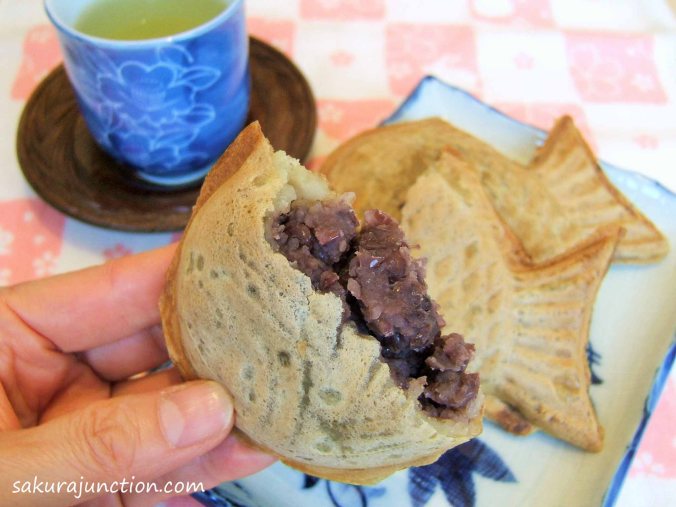
Tai-yaki SJ (2)

On the day I did not have any sweet at home, the first & only thing I thought and wanted to make for my afternoon tea was ‘Tai-yaki‘. It is a fish shaped Japanese sweet with sweet Azuki bean paste filling.

It was sunny day even in London in winter and a Robin & a few Blue Tits were flying around in the garden. I felt Spring was getting closer. I had to have something nice.

Taiyaki halved

A cup of hot Sencha Green Tea was very nice too.

If you want to try out Tai-yaki, the recipe is on my old post. Please check it. Cheers  🙂

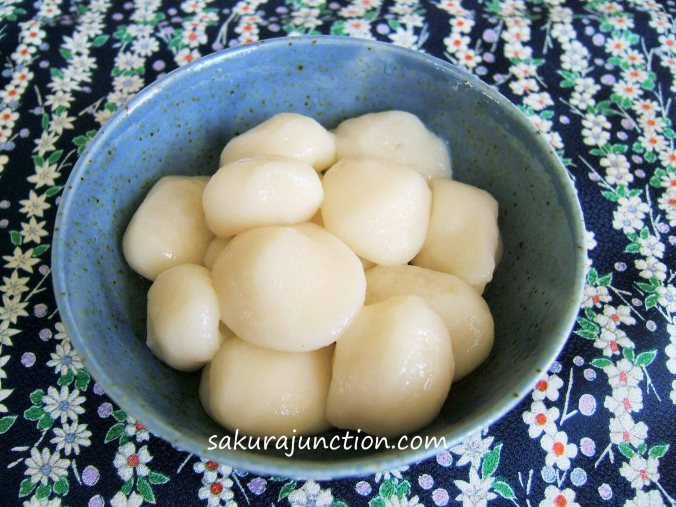
Mochi / Shiratama Dango (白玉だんご)

You might know one of the famous very Japanese food ‘Mochi (Rice Cake)‘. We traditionally eat it during New Year’s days (we celebrate for 3 days). ‘Mochi’ is made from sweet glutinous Rice by soaking, steaming & pounding it.

Mochitsuki

Traditional ‘Mochi-Tsuki’ (Rice cake pounding)

It has become very rare to see the traditional ‘Mochi-tsuki‘ (Rice cake pounding) these days. It’s only seen in some kind of festival. Instead we have an electric Mochi maker for home use and people can make Mochi easily, however, it is still fiddly to go through the process for making small amount of sweets at home.

But there is another type of ‘Mochi’. It’s so much easier to make particularly for a very small amount. It is ‘Shiratama- Dango’.

<Mochi / Shiratama Dango> 

Shiratama

Continue reading

Shiratama Zenzai

Very strong wind was blowing around this week. It was a gale caused by the Storm Imogen on East coast of Britain. We started having extremely mild winter and then suddenly it became wintery winter! Cold and miserable.

On a cold day like today I feel like having something warm and comforting. There is only one thing in my mind. It must be definitely …

Shiratama zenzai 3

‘Zenzai’ with Mango & Matcha ‘Shiratama’

Continue reading

Setsubun

Oni to Sushi

Red ‘Oni’ with two horns

In Japan we have several special days in a year. The 3rd of February is one of them, It is a day called ‘Setsubun‘.

What is ‘Setsubun’?

Setsubun is written as ‘節分‘ in Japanese which means ‘divide (分)’ ‘season (節)’. The day actually is one day before the changing of season. It seems like we used to have four Setsubun before each season in the past but since Edo era (a few hundred years ago) we particularly cerebrate only the beginning of Spring. So the 3rd of February became our ‘Setsubun’ and we celebrate the coming of Spring on this day.

ehoumaki to mame

Continue reading

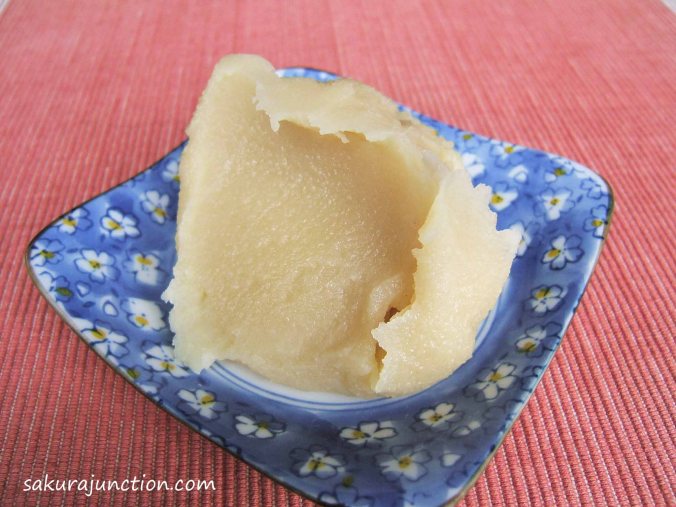
How to make ‘Shiro-An (白あん)’ (Quicker version)

Shiroan White Bean Paste

By going through the preparation for markets and recent private order I had a chance to make ‘Shiro-An’ so I can finally post ‘How to Make’ it here.

‘Shiro-An’ is one of the main ‘An/Anko‘ Sweet Bean Pastes for Japanese Sweets which is made from white beans such as Butter Beans or White Kidney Beans. I used to think that it is just one type of Anko but since I started making wider range of Japanese Sweets I now realised that ‘Shiro-An’ is definitely the most important one among of all ‘Anko’ Sweet Bean Pastes.

Shiro-An is not just a tasty filling but it is also an essential ingredient for making Japanese sweet. Because it is 1. in white colour so that you can change it into any colour you want 2. having a very smooth texture, it is very versatile and basically it acts like a great shape shifter. It can be used in all sorts of sweets in disguise. My recent hit sweet ‘Ukishima’ and also ‘Nerikiri’ are just two examples that ‘Shiro-An’ is used into a different shape. Unless you are told you don’t realise.

So How do you make ‘Shiro-An (白あん)’/ White Bean Paste? Well, professionally it is a long process but I am going to show you the easier method. Some steps are omitted here but the product you get tastes very good. What you need is just patience and lot of care.

Continue reading

My First Order!

Hooraaaay! I had the first order for my Japanese sweets and I managed to deliver them to the client last Saturday. (Sorry, it takes so loooooong to write in a second language)

The client was a lady who lives locally. She visited my market stall on the 6th of December and liked my products. She wanted my Japanese sweet for her husband’s birthday party who loves Japanese food. What a lovely thought!

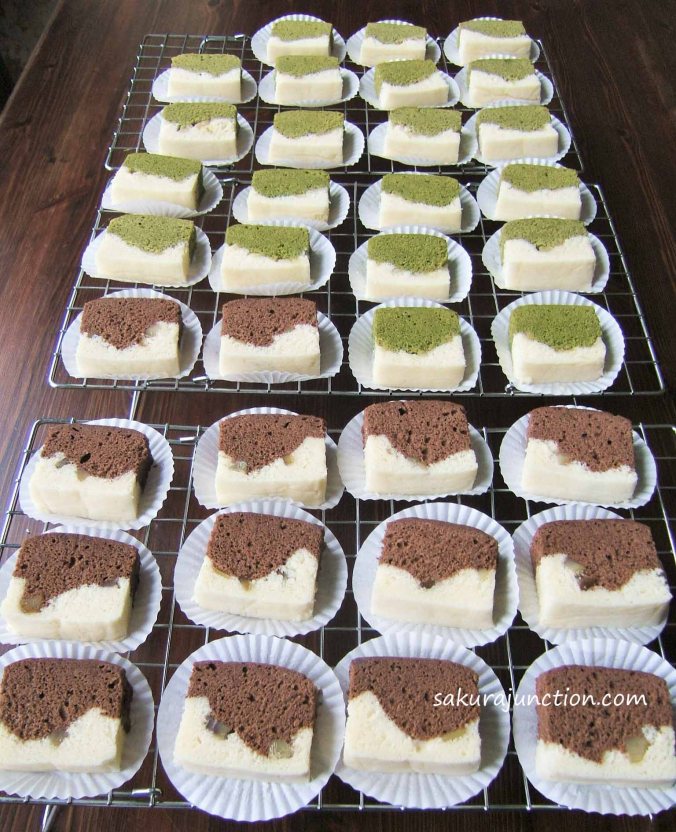
So what she ordered me was 35 pieces of ‘Ukishima’ with Matcha Green Tea & Apple and Chocolate & Chestnut flavours. I prepared the ingredients ready for making it on time for the Saturday.

So, Voila!

Ukishima

35 Pieces of Ukishima became ready! I cut and trimmed the edge of each piece carefully.

Ukishima matcha

Continue reading

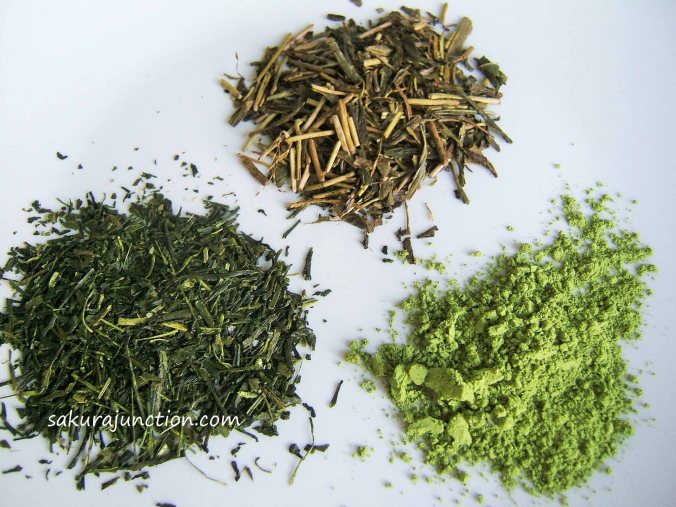
‘茶’ – Japanese Tea

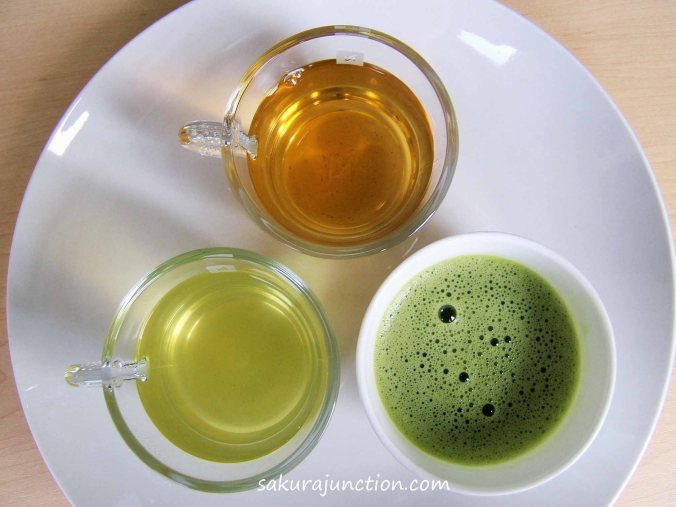
3 tea in cup

Did you know that all the tea is made from the leaves of exactly same tea plant, Camellia sinensis? They might be grown in different countries in different climates, but yes, English Breakfast tea, Japanese Sencha tea, Chinese Oolong tea or Sri Lankan Ceylon tea … any tea is from the same leaves. The difference is just the process of how to make them from leaves into a tea. I found it very fascinating that the same tea leaves can taste so different just by how it is treated.

In Japan we have several types of tea. Unlike Chinese tea most of Japanese tea is steamed and unfermented. That is why it has kept a clean green colour and aroma with lighter flavour. Some of the famous ones are as follow.

3 tea leaves 2

Continue reading

Happy New Year 2016!

2016 New Year card

🎍 Happy New Year! 🎍

In Japan we celebrate three days for the New Year. Yes, the New Year Days are very big deal for Japanese. It is the biggest National Holiday and everybody should be resting including the person who cooks for the family too. In order to have less cooking time home chef prepares celebratory meal ‘Osechi (お節)’ until New Year’s Eve. It is like a bigger version of Bento box filled with lots of delicious & luxurious food all of which last for 2-3 days so that you just need to add some extra thing such as ‘Sushi’🍣, ‘Sashimi (さしみ)’ or something warm.

Continue reading

My Products for the Market

So what were my range of products for the markets? I did not have much time to take photos and by the time I finished making and before packing, there wasn’t enough natural light to take good photos of all my products. However, I managed some.

The first product I introduce to you here is the most colourful one ‘Nerikiri‘. Nerikiri is the very delicate Sweet which basic ingredients are just rice flour, sugar and beans so that it is Gluten/Dairy/Oil/Egg free. It is one of the most classy Japanese Sweet ‘Wagashi (和菓子)’ that are often used for Tea Ceremony.

These are the three types I made.

Nerikiri 3 types

Continue reading