‘Manju’ in Autumn Theme

manjyu1

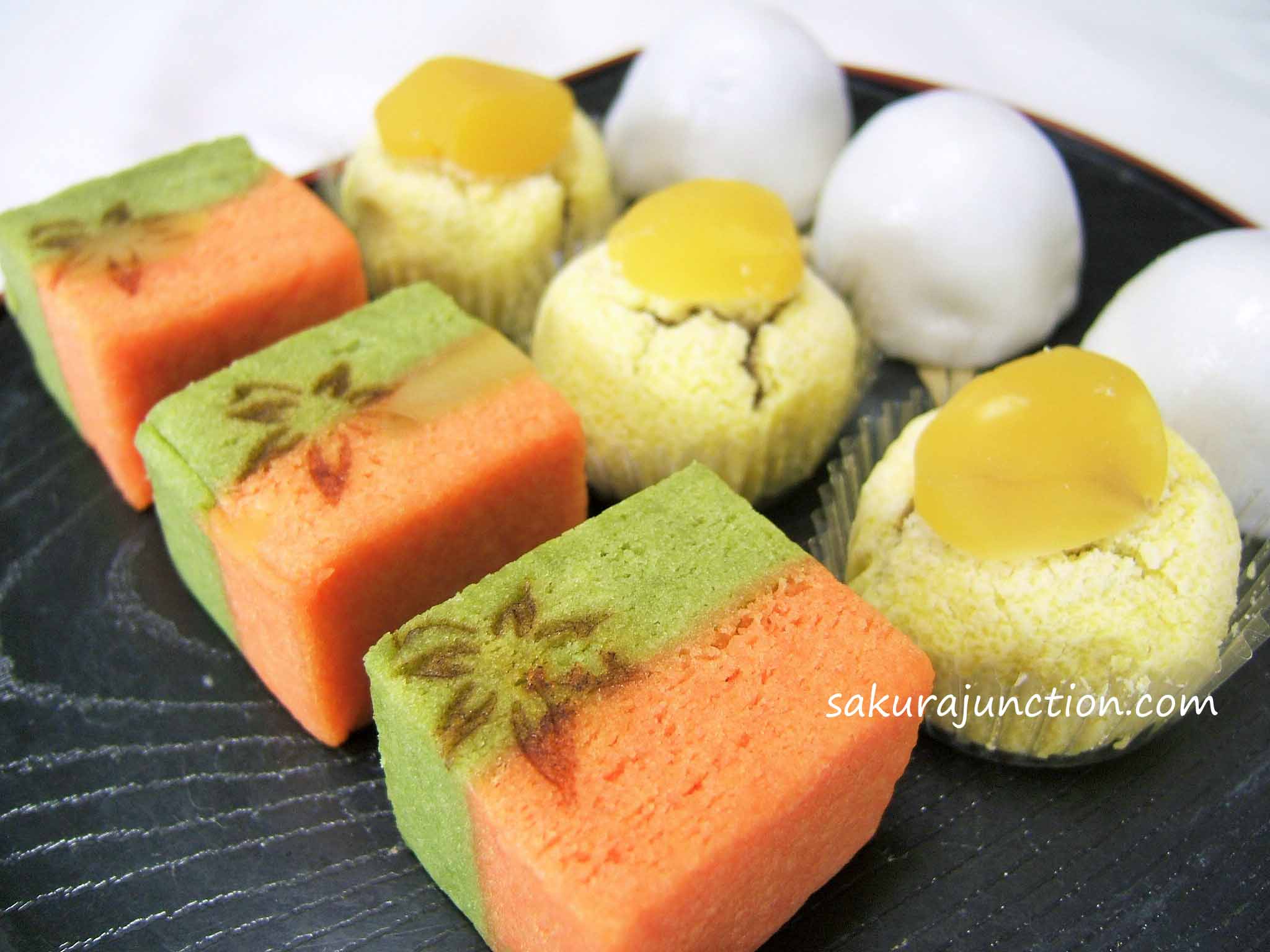
One of the things I was looking forward to when I went back to Japan was of course ‘Manju (まんじゅう)’ the Japanese sweet. I can make some by myself but I just wanted to try some very good ones that I cannot find in London.

manjyu3

As I mentioned previously in “the Taste of Autumn” we are sensitive to changing seasons in Japan and ‘Wagashi (和菓子)’ the Japanese sweet is no exception. At the very beginning of Autumn the colour/pattern/ingredients of Japanese sweets have been already changed into Autumn theme.

Continue reading

Halloween Ghost(busters) Daifuku

Ghost Daifuku2

It’s a Halloween tonight! I live in England so I am going to be subtle in this more American tradition.

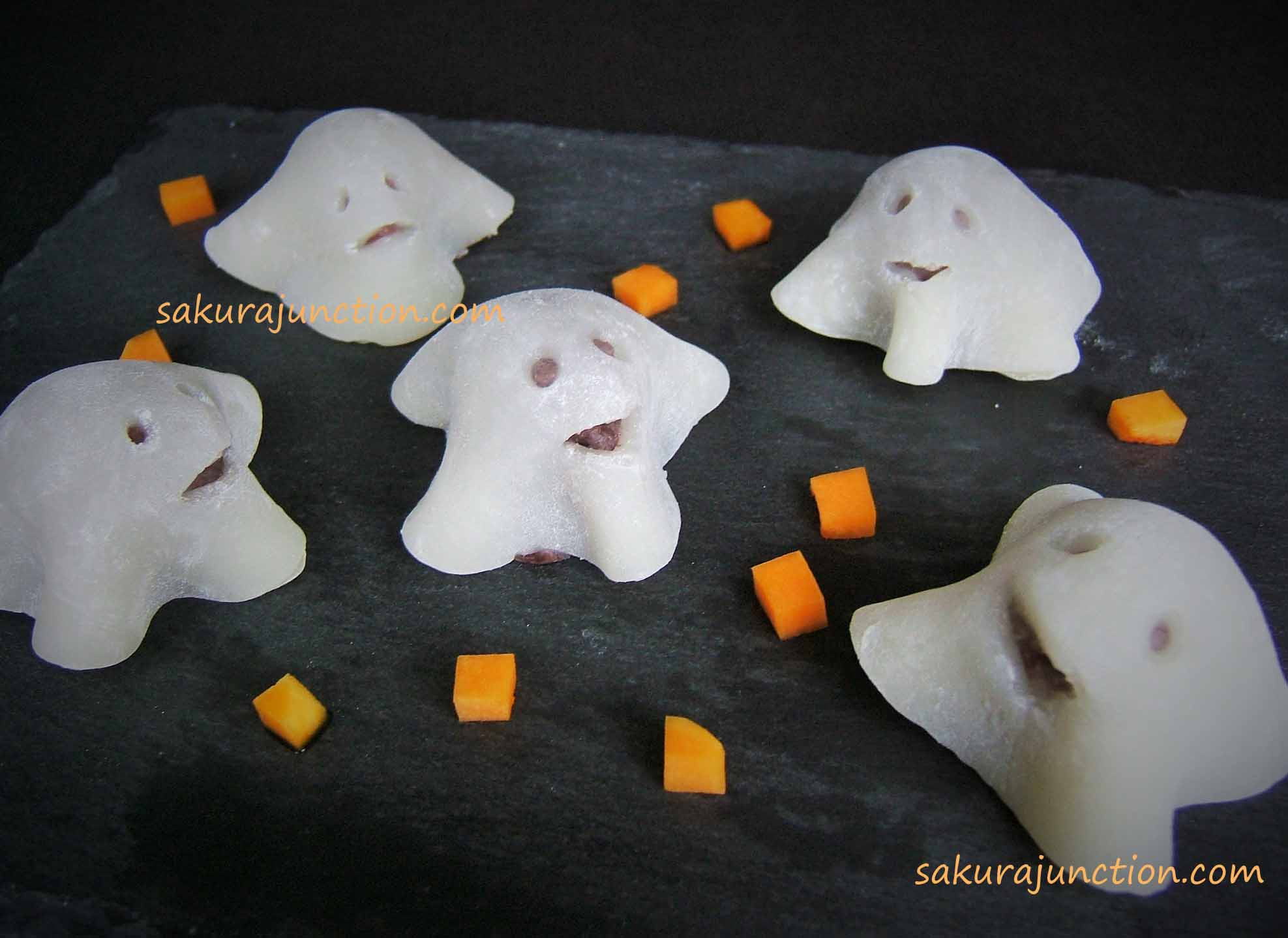
I have been thinking about making some kind of Japanese sweet in Halloween style but did not have much time. I managed to make this Daifuku in Ghost-like shape but it turned out more like the ghosts in the movie ‘Ghostbusters’

Halloween Ghost(busters) Daifuku

Ghost Daifuku up

Continue reading

Tai-Yaki & Half-Moon-Yaki            (たい焼き&半月焼き)

Taiyaki in the sea

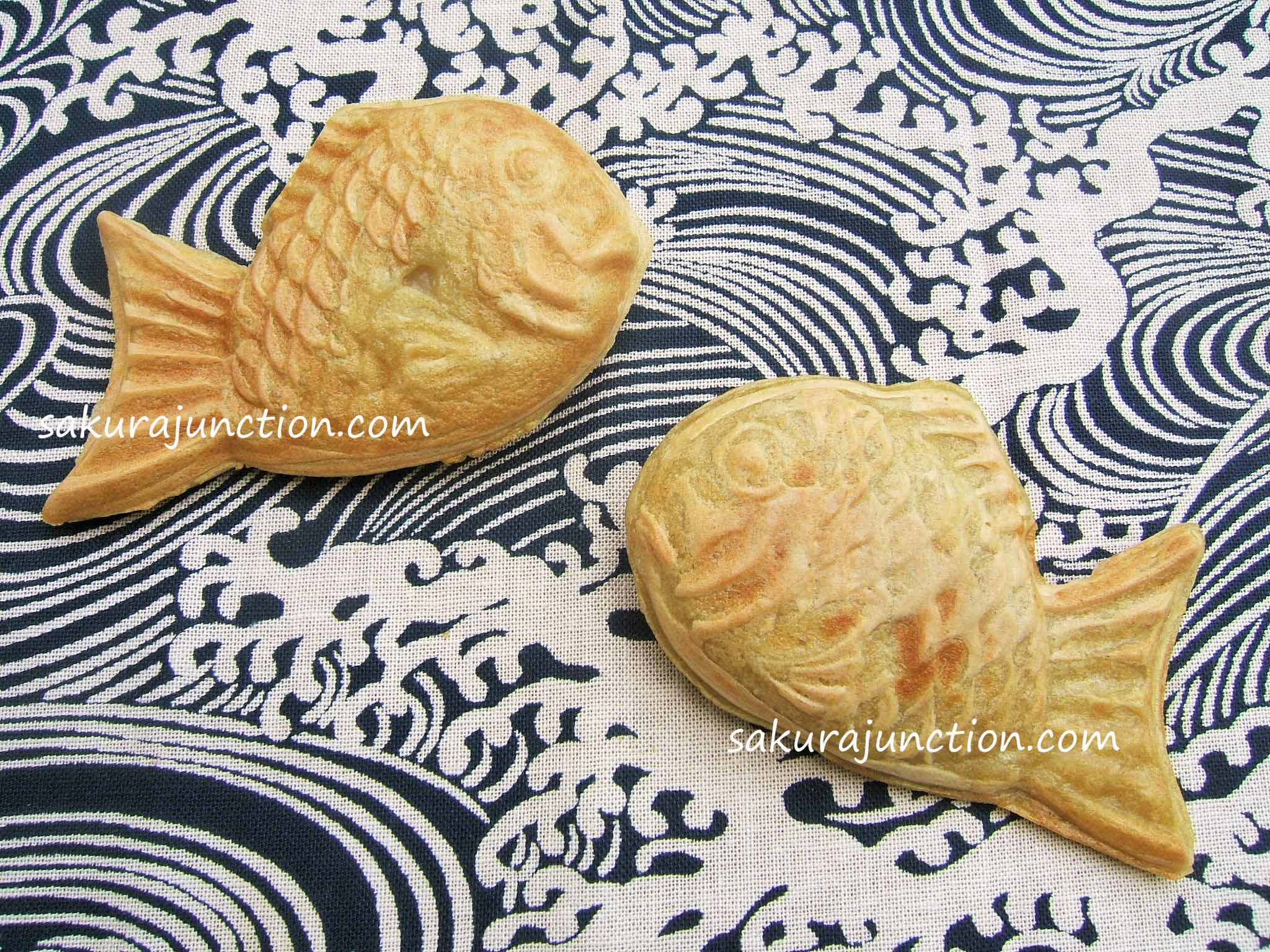
So my fist post after ‘How to Make Tsubu-An’ is ‘Tai-Yaki’. It is one of the most popular street foods in Japan. The name ‘Tai’ means ‘Sea Bream’ and ‘Yaki’ means ‘something baked or grilled’ in Japanese. Although it is called ‘Tai/Bream’ it has sweet filling, which is normally bean paste, and not having any fish at all. It is just a fish shaped sweet.

It is a waffle like sweet filled with traditionally Tsubu-An centre. Recently people started using some new fillings but Tsubu-An is still the most popular one. That is just because it is the best combination & simply delicious.

Tai-yaki inside

Tai-yaki with Tsubu-An & ‘Shiratama (mochi)’ filling

Continue reading

How to Make Tsubu-An (Anko)

Tsubuan on Plate

Hooray! I can finally post ‘How to Make Tsubu-An’ here, so after this post I will be able to start making more Japanese Sweets and post on this blog.

As I mentioned before ‘An’ (or ’Anko’, they are same thing) is the main component of Japanese Sweets. It is normally a sweet paste made of beans. There are mainly three types of An (Anko) used for Japanese Sweets and they are ‘Tsubu-An’, ‘Koshi-An’ and ‘Shiro-An’.

  • Tsubu-An ; Made of Azuki beans
  • Koshi-An ; Made of Azuki beans, sieved and skins removed
  • Shiro-An  ; Made of white beans, skinned and sieved

Azuki

‘Tsubu-An’ has Azuki bean’s skin left and not sieved so it’s got more of a coarse texture among all the other ‘Anko’. And maybe because of this coarseness it is tended to be used for more casual Sweets. It needs less procedure to make Tsubu-An but that is not the reason I make this type more often. I like Tsubu-An’s texture the most. It is very versatile. If you are interested in making Japanese Sweets, Tsubu-An making is the great place to start.

Continue reading

Kakigori – the Shaved Ice with Mango

Mango Kakigoori

I mentioned about Japanese Summer tradition in food –  ‘Chilled Ramen’ before. There is another Must-Have in Summertime in Japan. That is ‘Kakigori‘ – the Shaved Ice!

Nobori

It is the same as the Chilled Ramen, ‘Kakigori’ also has a traditional Flag to decorate at the entrance of restaurants letting people know that the shop serves it. Apparently the design of this flag has been more or less the same for more than 100 years. The red part in this flag is a Japanese Kanji character ‘氷- Kori‘ which means Ice. The blue part is obviously the sea that is the symbol for Summer and also there for making you feel Cool I believe. And the green part is two birds called ‘Chidori (Plovers)’. Whenever you see this sign you feel the summer is there and you want to have some shaved ice.

Continue reading

Anko Sandwiched Steamed Matcha Cake

amtcha steam cake

This sweet might look like a normal baked Western cake. But it’s not really because …

  1. this is a steamed cake
  2. it’s Dairy Free and also Free from Oil.
  3. Japanese substances are used as main ingredients so it’s ‘Japanese Cake’.

I like steamed cake. It has a much lighter texture than a baked cake. I haven’t eaten any Japanese sweets for a while so my body started craving for something with some ‘Anko’ in it. This is how this cake was born in my kitchen.

a piece of Matcha Stem cake copy

Continue reading

Matcha Soy Latte (Chilled)

Matcha Soy Milk

It is mid summer now. Even here in London it is very hot. I always have afternoon tea with a piece of cake and a cup of Earl Grey Tea or Coffee, but sometimes I rather want to have something cold instead of a hot drink during summertime.

This chilled Matcha Latte is used with Soy milk so if you are allergic to dairy or just don’t wat to have any milk products this is just the drink for you.

Continue reading

What is Kinako (きな粉) ?

Kinako

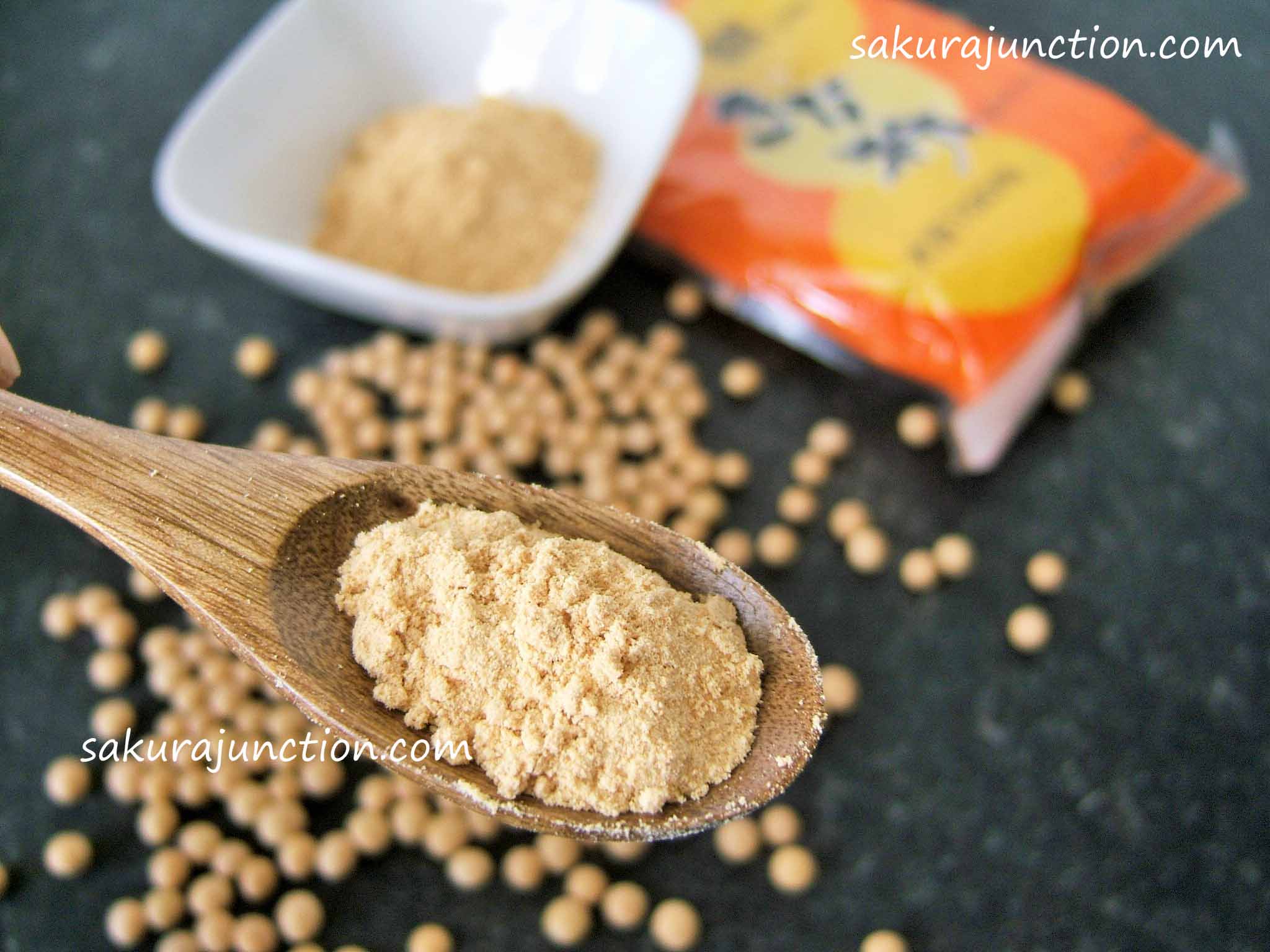
Have you heard of ‘Kinako? If you like Japanese sweets, Kinako is one of the ingredients you come across occasionally. It is a yellowy powder substance that is made of Soybeans. You can make it at home but I recommend to get it from a shop because it is very hard work and also it is probably much nicer, from my experience anyway.

When I was a high school student our domestic science teacher made us study about certain Japanese food ingredients. My group chose ‘Dried Shiitake Mushroom’ and some other group chose ‘Kinako’. They made home-made Kinako and we tried tasting it during the class. I remember that it tasted quite the same as the one from the shop but the texture was far too dry and we felt almost like choking. So, you don’t have to try making it by yourself. Get it from a Japanese Food shop.

Continue reading

Anko-ruffles

Anko-ruffle

Although I haven’t manage to post ‘How to Make An/Anko’ yet (‘Tsubu-An’ Making has been posted now), I decided to go ahead with this post by thinking that presumably some readers know what ‘An/Anko‘ is and where to get it. But if you don’t know I will post how to make it shortly.

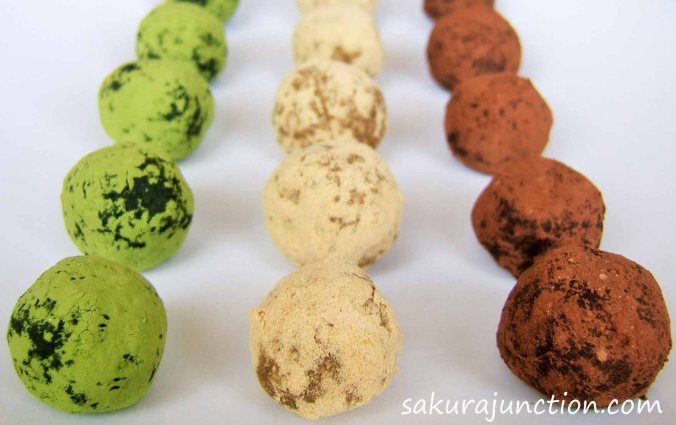
So have you heard of ‘Anko-ruffles’ before? No? You might have guessed it. Yes, it’s a made-up name from ‘Anko’ + ‘Truffle’ by me. These are Japanese Sweets I created but just look like Chocolate Truffle, don’t they? The taste and texture are completely different. This is one of the easiest Japanese Sweets to make. If you can gain some ‘An/Anko’ by either making it yourself or buying it.

 <Anko-ruffles> (Gluten/Dairy/Oil, Fat Free)

Anko-ruffle with TeaAn/Anko is the most essential ingredient in Japanese Sweets ‘Wagashi’. It is sweet bean paste. The one I used for this sweet is ‘Tsubu-An’ which is made from Azuki beans. If you have a little amount of ‘An’ (An is sometime called ‘Anko’. They are exactly same things) and some powder ingredients, you can make Anko-ruffles!

As the dry powder ingredients I used ‘Matcha’ Green Tea, another Japanese substance ‘Kinako’ and Chocolate Powder for this time. I will talk about ‘Matcha’ Green Tea and ‘Kinako’ in separate posts.

Continue reading

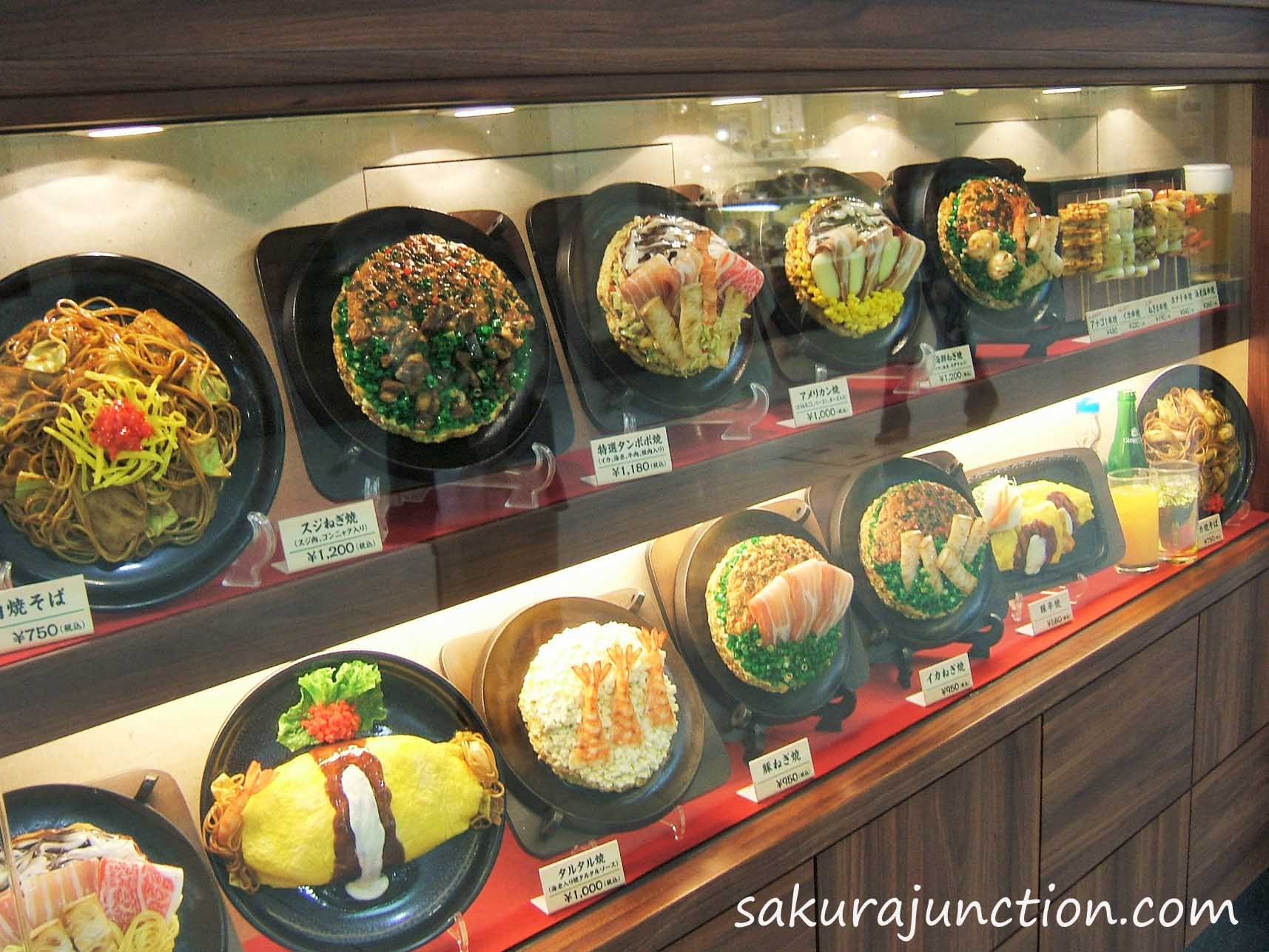
Food Industry Art in Japan

Window Display of a Restaurant in Japan

They look delicious, but you cannot eat them?!

This is the last post on the Report of my visit to Japan. It is also supposed to be the post for Day 4 (yes, I am a little bit behind) of the ‘Blogging101’ so I am adding an element  I haven’t done yet.

Pasta ModelsWe Japanese say “Eat food with our eyes”. As well as being tasty Food has to be colourful & beautiful.

Looks delicious but not edible

You might know there is a unique Industry in Food Business in Japan. It is Food Model making for window displays. In my childhood they were everywhere. Almost all restaurants had them at their entrance. The purpose is simple. They show what the foods of the restaurant look like, the kind of ingredients the dishes have and most importantly they are there for attracting customers!

Continue reading