Mochi Sweet Chestnut – The Taste of Autumn

Officially it is Autumn now. In the UK the clock has been set back to Winter Time so that morning starts in darkness and the Sun sets very early. The weather has been becoming more and more wet and miserable. On the contrary in Japan Autumn is described as for 1. Sport, 2. Appetite, 3. Arts, 4. Reading Books and then 5. Great Autumn Colour and more!

The reason that “Autumn is for Appetite” is simply because there are so many tasty food that become available during this season. They are Mushrooms (including super Mushroom ‘Matsutake‘), Fruits (such as ‘Kaki’ Persimmon), Sweet Potatoes, Ginkgo Nuts and so on …

However, the delicacy we enjoy the most of all is ‘Kuri’ – Sweet Chestnut. Everybody loves Sweet Chestnut in Japan. I have to say that it is almost like “Kuri = Autumn” for Japanese. We make lots of sweet with Kuri Chestnut and we cook even rice with it.

So inevitably I chose Sweet Chestnut as the material for the sweet of November.

Kuri – Mochi Sweet Chestnut

mochi-chestnut-in-autumn-colour

Continue reading

Trick or Treat! Jack-O’-Lantern πŸŽƒ

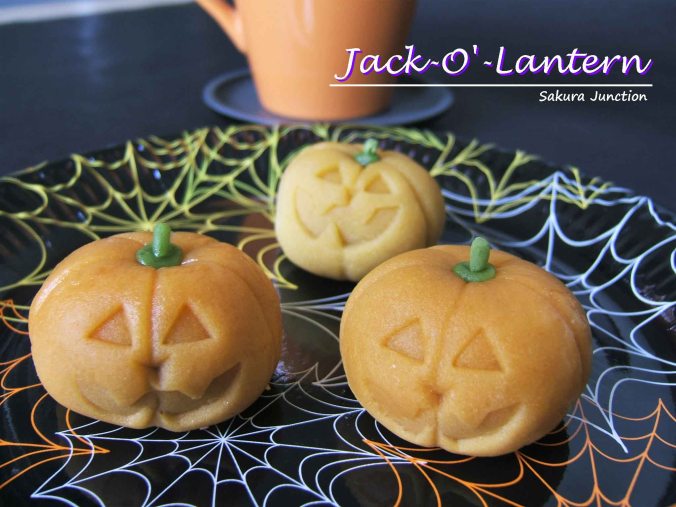
I made two types of Japanese Sweets on the Halloween theme this year. One of them was ‘Mochi Ghost’ in my previous post and the other one was ‘Jack-O’-Lantern’.

halloween-sweets-with-a-mug

Jack-O’-Lantern

These are my ‘Jack-O’-Lantern’.

jack-o-lantern-3

Continue reading

The Taste of Kyoto: Cinnamon Mochi Wrap οΌˆε…«γ€ζ©‹γƒ©γƒƒγƒ—οΌ‰

Have you been to Japan? Where did you visit? I am sure one of the places you’ve been in Japan must be Kyoto. Everybody loves visiting Kyoto. It is the old Capital City of Japan with lots of temples and Shinto Shrines. You find old fashioned shops standing on narrow stone paved path. You feel like you’ve been Time slipped into 200 years ago.

There is lots of famous food in Kyoto. One sweet many people buy when they visit Kyoto is ‘Yatsuhashi (八぀橋)’. It is a Mochi type of sweet with Cinnamon flavour either soft (Nama-Yatsuhashi) or baked hard. You might think Cinnamon is very western spice but I believe we started using Cinnamon quite a long time ago. It came from China and it still has the Chinese name ‘Nikkei/Nikki‘ as well as the western name.

The famous soft type Yatsuhashi is normally cut into a square shape and folded into a triangular by wrapping sweet Bean Paste inside. The spicy scent of Cinnamon is very appetising and it goes well with Tea or Coffee as well as Green Tea.

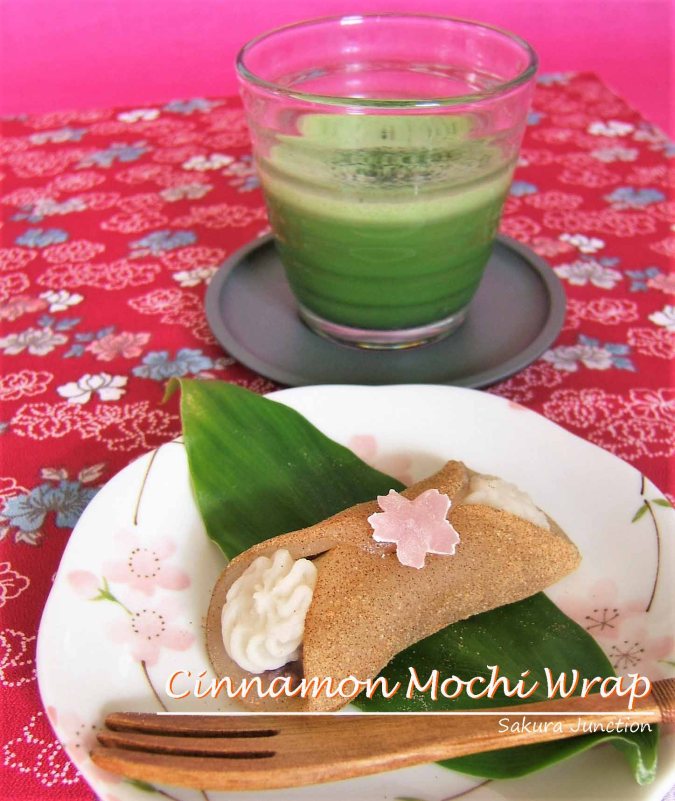
Cinnamon Mochi Wrap οΌˆε…«γ€ζ©‹γƒ©γƒƒγƒ—οΌ‰

cinnamon-mochi-wrap-yatsuhashi-with-tea

I made my version of Yatsuhashi in a slightly western appearance.

Continue reading

Moon Rabbits

I have roughly explained about ‘Chushu‘ (the Middle of Autumn Day) and the Full Moon viewing custom in Japan in the previous post. However, there is another key character in this Story. It is a Rabbit.

chocolate-moon-yokan-with-rabbits-1

In Japan we say there is a Rabbit living on the moon and makes (pounds) ‘Mochi’ Rice Cake on ‘Jugoya‘ the Full Moon. I think the story started because people in the old days saw a Rabbit shape in the pattern on the Moon.

rabbit-on-the-moon2

However, there are several stories to back up the thought behind it.

  1. This is a story from India. ‘There were Fox, Monkey and Rabbit in a forest and they wondered why they were not human. They thought maybe it was because they did something bad before so they decided to do something good. One day an old man who was very tired and hungry appeared in the forest. Fox, Monkey and Rabbit wanted to help this guy. Fox hunted some animals and gave him some meat. Monkey climbed up a tree and gathered some nuts and fruits for this man. However, although Rabbit searched around he could not find anything for the old man then he asked the man to make a fire. The Rabbit said “I’m sorry I could not find anything for you so please eat me to survive” and jumped into the fire and died. This old guy was actually a god who came to test the three animals’ good deed. He was so moved by Rabbit’s selfless mind and felt pitty on him. He decided to leave the silhouette of the rabbit on the moon forever’.

2. In China it was said that rabbits were making medicine for immortality by pounding on the moon. When this story came to Japan the story changed that rabbits were making ‘Mochi (Rice cake)’ instead of medicine.

Moon Rabbit

Anyway, it’s time to introduce my Moon Rabbits.

moon-rabbit-three

It is Japanese sweet which made of ‘Nerikiri‘ (White Bean Paste with Mochi) and Free from Gluten and Dairy & Oil.

Continue reading

Jugoya Full Moon and Rabbits

Jugoya, Full Moon

It is becoming the middle of Autumn ‘Chushu (δΈ­η§‹)’. Actually it is this Thursday, the 15th of September this year and that is the day we can see the Full Moon. The night of the day is called ‘Jugoya / εδΊ”ε€œ’ (‘Jugo‘ means fifteen and ‘Ya (Yoru)’ means night). Basically it is the Fifteenth Moon from the New Moon, hence the Full Moon.

In Japan we have a custom of ‘Tsukimi (ζœˆθ¦‹)’ (viewing the Full Moon) on this day. It came from China during Nara / Heian period (8-11 C) into the life of upper class people. They had a party viewing the Full Moon and read poems about it. Later on in Edo period (17-19C) it was taken to common people as well and the day was combined with the festival for farmers to hope for a good harvest.

Nowadays, it is still the same. We enjoy viewing the Full Moon. We look forward to the clear sky with the beautiful Moon. On the day we prepare for the night by placing ‘Susuki (Japanese Silver Grass)’ and of course some sweets. What kind of sweet the family have depends on which region where they live but mostly they are ‘Mochi‘ type.

Chocolate Full Moon Yokan and Rabbits

So I made these Japanese sweets for Jugoya Night, one is the Full Moon Yokan in Chocolate flavour and the other one is Moon Rabbit.

chocolate-moon-yokan-with-rabbits-2

Continue reading

The King of Summer Fruit – Watermelon (γ‚Ήγ‚€γ‚«), Wagashi

What is your favourite fruit in summer-time? Mine is definitely Watermelon. In Japan when you see big watermelons displayed in a shop I feel β€˜summer is here!’. We used to have some farmers selling ripe watermelons on the side of the street. When I was about 13 on one Sunday evening my family came back from a day out and saw a farmer was about packing up his stall. He had one big watermelon which had a crack and told us β€œCan you buy this watermelon, please. It’s got a crack but it is very sweet. I’ll make it just 100 yen for you”. 100 yen is about 50 pence in present time. Of course we bought the watermelon and went home. When we put the tip of a knife into the watermelon it just cracked up into two by itself because it was so ripe. The flesh was so red and juicy. It was the best watermelon I have tasted in my entire life. All of my family still talk about it when we eat watermelon. It was such a memorable taste.

Watermelon (γ‚Ήγ‚€γ‚«), Wagashi

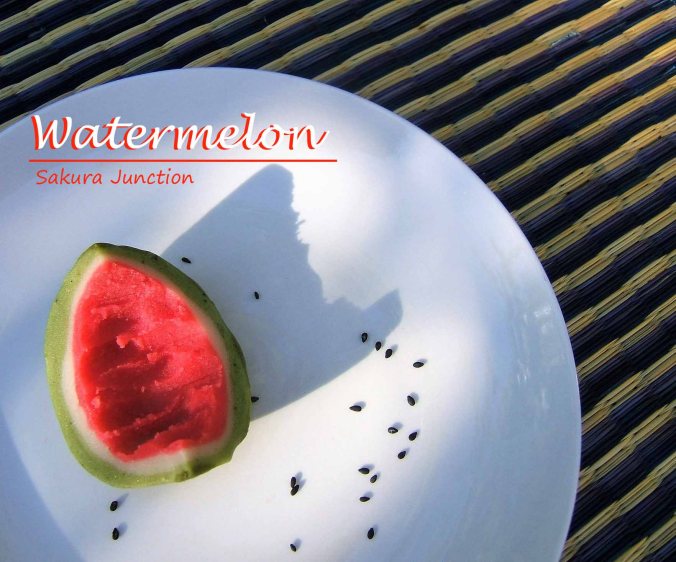
As the Sweet in summer time I had to make β€˜Watermelon’ as a Japanese sweet. It is almost like an homage to my summer-time childhood.

Watermelon Suika front

How does it look?

It is made of Sweet White Bean Paste with Rice Flour & Black Sesame Seeds.

Continue reading

Raspberry Mochi Cake / γƒ©γ‚Ίγƒ™γƒͺγƒΌι€…γ‚±γƒΌγ‚­

There is a Japanese traditional food that is a Japanese favourite but almost all foreign people disliked it. That is β€˜Mochi’ Rice cake. Many western people have said that β€œMochi is not enjoyable even if it is as sweet or savoury, and however it’s grilled or cooked with sauce”… That is until now. Mochi became very popular just recently at least in London. It has been used as topping on some dessert such as Frozen Yogurt and Ice Cream.

Because I knew western people didn’t like the texture I was avoiding to make any sweet with the Mochi texture in London. However, there is huge demand for Mochi nowadays. What is happening? It was so unthinkable before.

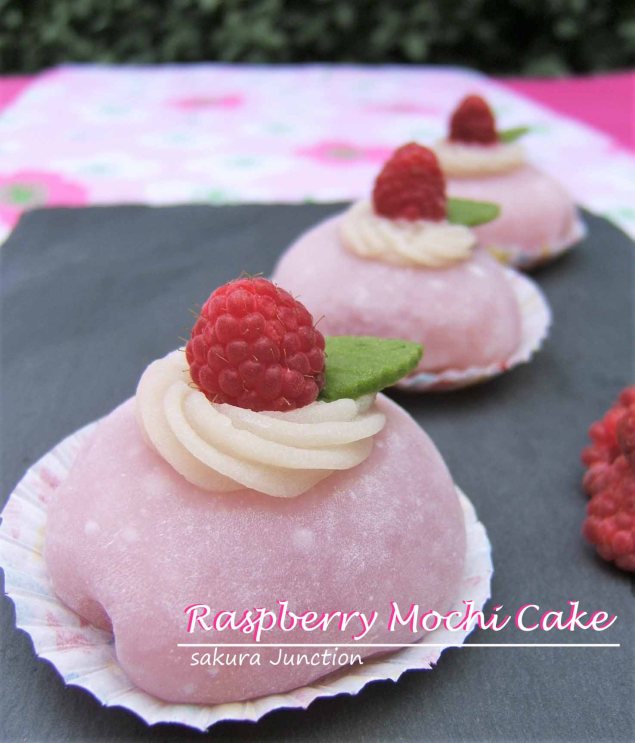
So I created this sweet with Mochi and Raspberry to make it looks like a western cake.

Raspberry Mochi Cake

How does it look?

Raspberry mochi Cake three

Continue reading

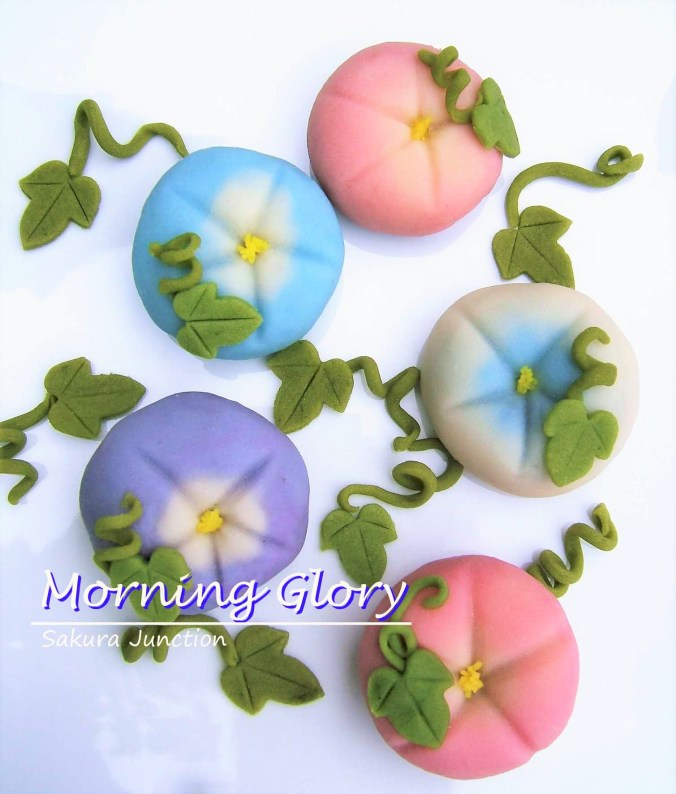
Morning Glory / Asagao ζœι‘”

Morning Glory top

It is mid-summer now. Even here in London we are having the hottest days so far this year. I know it is nothing compared to the heat and humidity of the summer in Japan or India, but still it is hot.

So what does Summer remind you of? For me it is the Radio Gymnastic Exercises and Morning Glory flowers. In Japan during school summer holiday many (probably not all) children get up early and gather in a nearby square or school ground. We tune in the radio to “NHK Radio Gymnastic Exercise” program which starts 6:30AM every day. After exercising each child receives a card and collect one stamp a day. On the way back home I remember I felt good and healthy after exercising in the fresh morning air and saw Morning Glory flowering beautifully at the front of many houses. The flowers are mostly in gradation between blue and pink which is my favourite colour.

1280px-Morning_glory

Its Japanese name is β€˜Asagao ζœι‘”β€™ meaning ‘Face in the Morning’. Morning Glory opens its huge round flower in early morning and closes in the afternoon. The people in the old days maybe thought the flowers reminded them of smiley faces of children, I wonder. It is certainly a face of beautiful flower in summer.

Now we are in July. However, I don’t see them in London. So … I made my nostalgic summer flowers as Japanese sweet.

Morning Glory / Asagao ζœι‘”

Moening Glory white

Continue reading

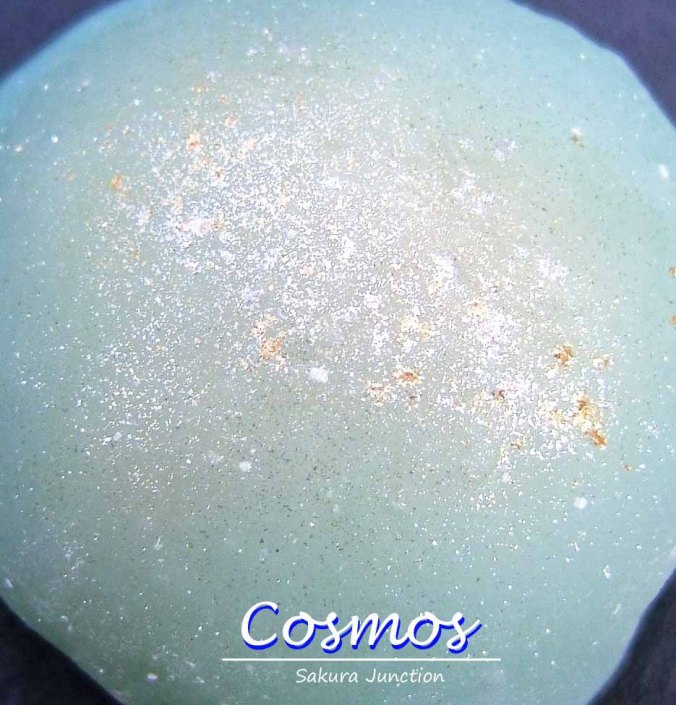
Cosmos/ιŠ€ζ²³ on Tanabata (七倕)

Cosmos up

On the 7th of July we have another traditional event in Japan. It is called ‘Tanabata δΈƒ 倕’. It seems like Tanabata originally came from China a long time ago but it became one of the Japanese traditions started in about Nara period (AD 710 to 794).

Tanabata (七倕)

The story behind the event is like this …

DSCF5870 (2)

Continue reading