The Taste of Autumn

aki-moji001 (2)

What is ‘Autumn’ for you?

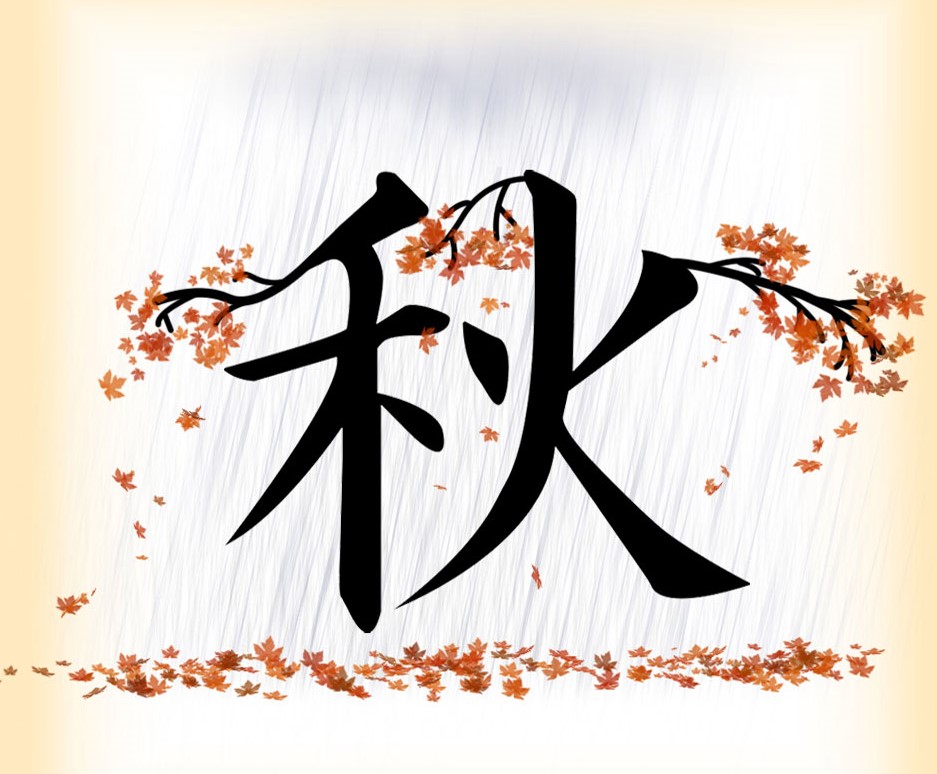
Autumn in Japanese is ‘Aki‘ and written as ‘‘. The character is made from two parts. The left part shows what it is connected to and in this case ‘ (Nogi-hen)’ means the character is something to do with ‘Crop’. The right part is ‘ (Hi)’ which means ‘Fire’. So by combining two parts together the character means ‘Drying Crop (by Fire)’. Japan has a culture of growing rice plants for many many years and we harvest it in Autumn. Traditionally we dried cut plants by hanging it in the field for weeks before threshing grains so it does make sense that Autumn is the time for ‘Drying Crop’ before a cold winter comes.

In Japan Autumn is described in several ways. We say Autumn is for Harvesting. Autumn is for Reading Books, Autumn is for Arts & Excercise. However, the most important thing about Autumn and we should never ever forget is that Autumn is for ‘Taste’ and ‘Appetite’.
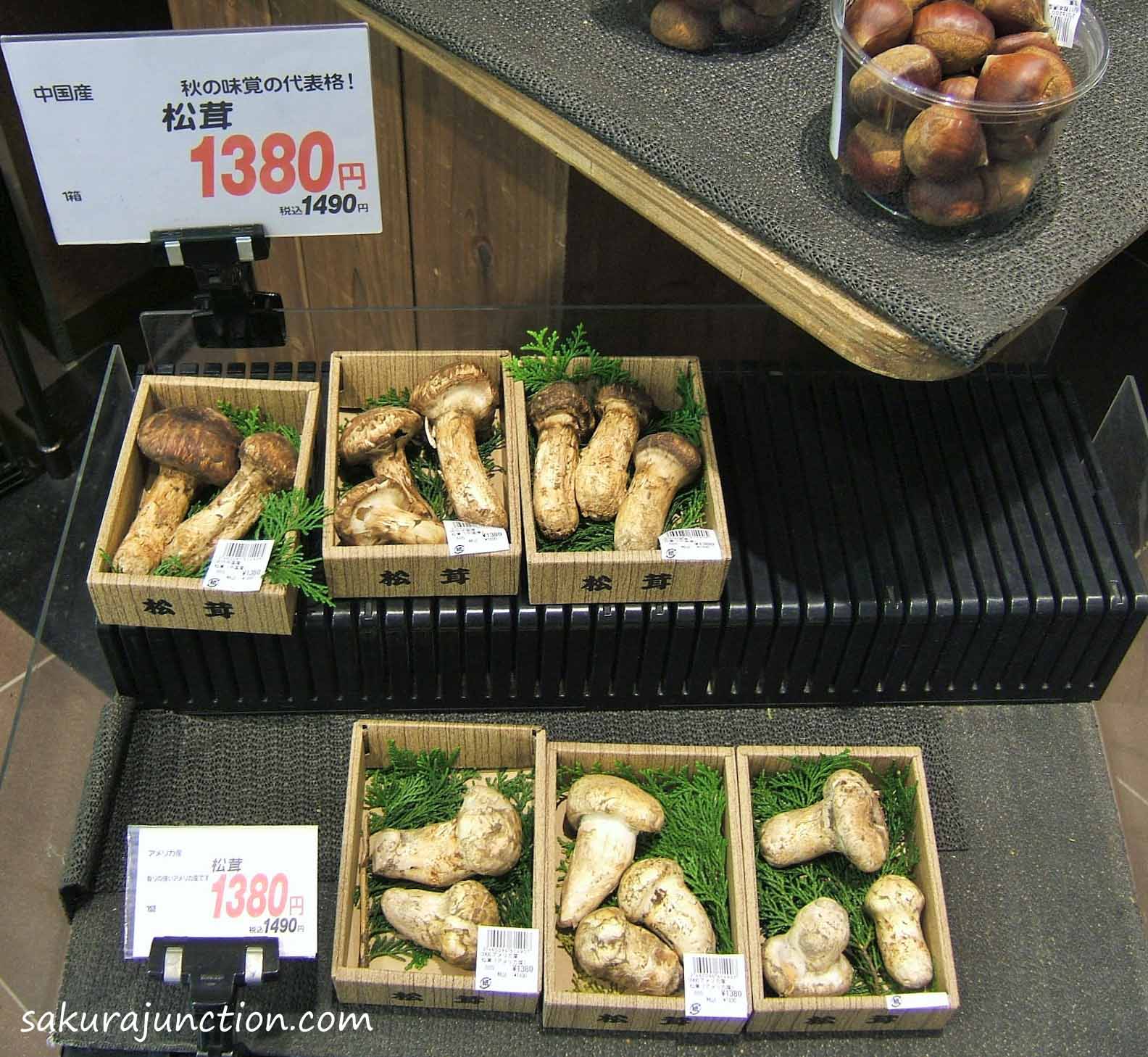
kuri matsutake

The Taste of Autumn – ’Matsutake’ mushroom and ‘Kuri’ chestnuts

Continue reading

Bento on ‘Respect for the Aged Day (敬老の日)’ 

Keiro Bento

The 21st of September was ‘Respect for the Aged Day (敬老の日)’ this year in Japan. It was one of the National Holidays for showing our respect and care for elderly people.

Bento on ‘Respect for the Aged Day (敬老の日)’

We ordered some Bento from a well known restaurant for my mother on ‘Respect for the Aged Day (敬老の日)’. The Bento was particularly planned for elderly people with the idea of  1. Easy to eat  2. with good source of various nutrients and  3. of course it had to be good quality food. We made a clear soup called ‘O-suimono‘ to go with it.

Keiro Bento 2

The ingredients and decoration was made in an Autumn theme. The amount of food was just enough ‘Hara Hachibunme (腹八分目)’ (‘Hara’=stomach, ‘Hachibunme’=80%) for us. It means moderate eating up to 80 percent in stomach is the key for a healthy life.

Continue reading

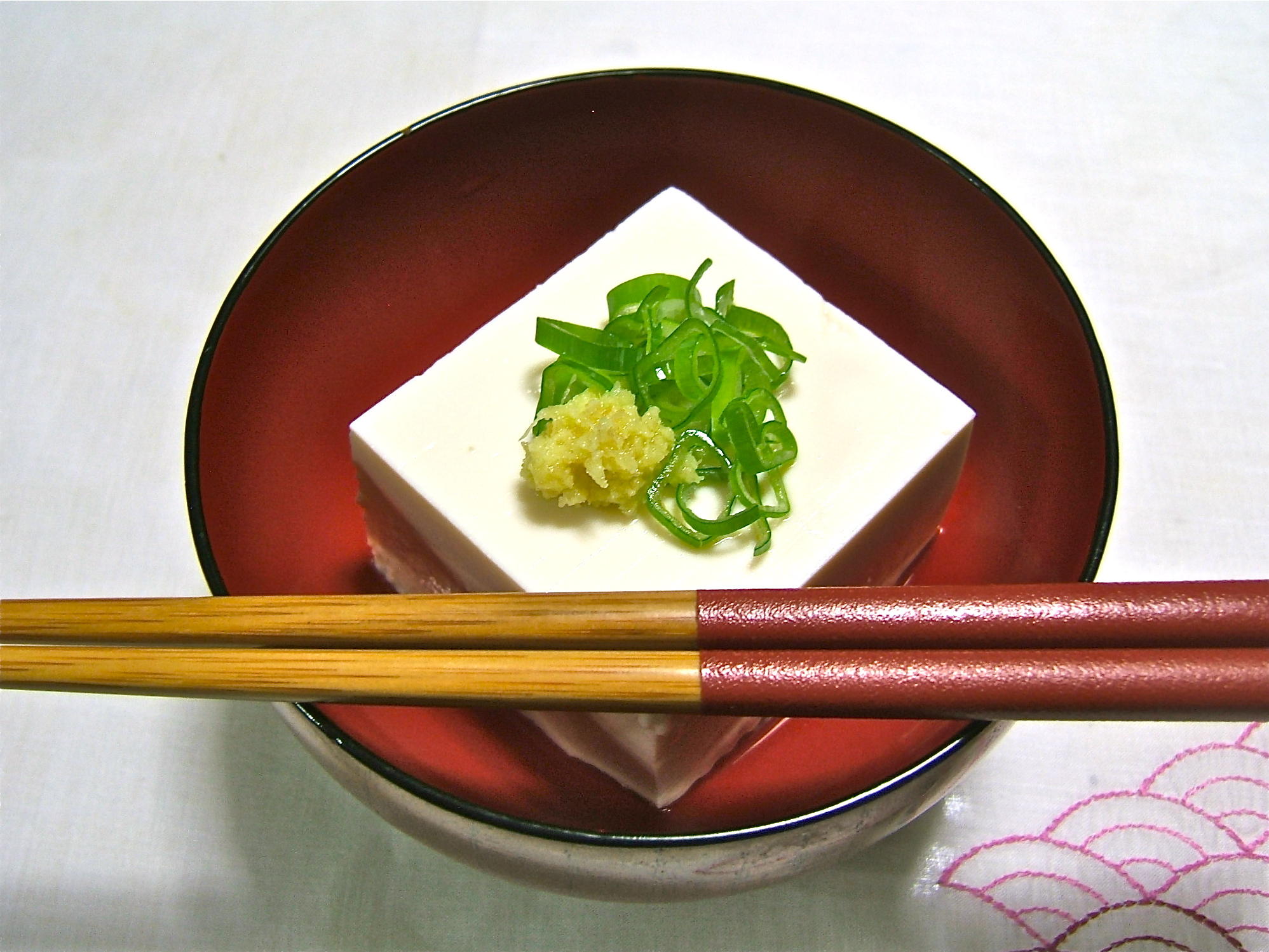
Do you know Today is ‘TOFU’ Day?

DSCF4807

Today is ‘TOFU’ Day

Why?

Today is the 2nd of October. In Japan month comes before date so today’s date is the 10th month (October) and the 2nd day. In Japan we have several ways in reading number. We read ‘10’ as ‘To(u)’ and ‘2’ as ‘Fu’ in some reading. By connecting both it becomes ‘To-Fu’. That is why it is ‘TOFU’ Day today. You got it? It is a silly pun playing on words but it’s good to remind people about certain foods & things and make people appreciate what we have.  🙂

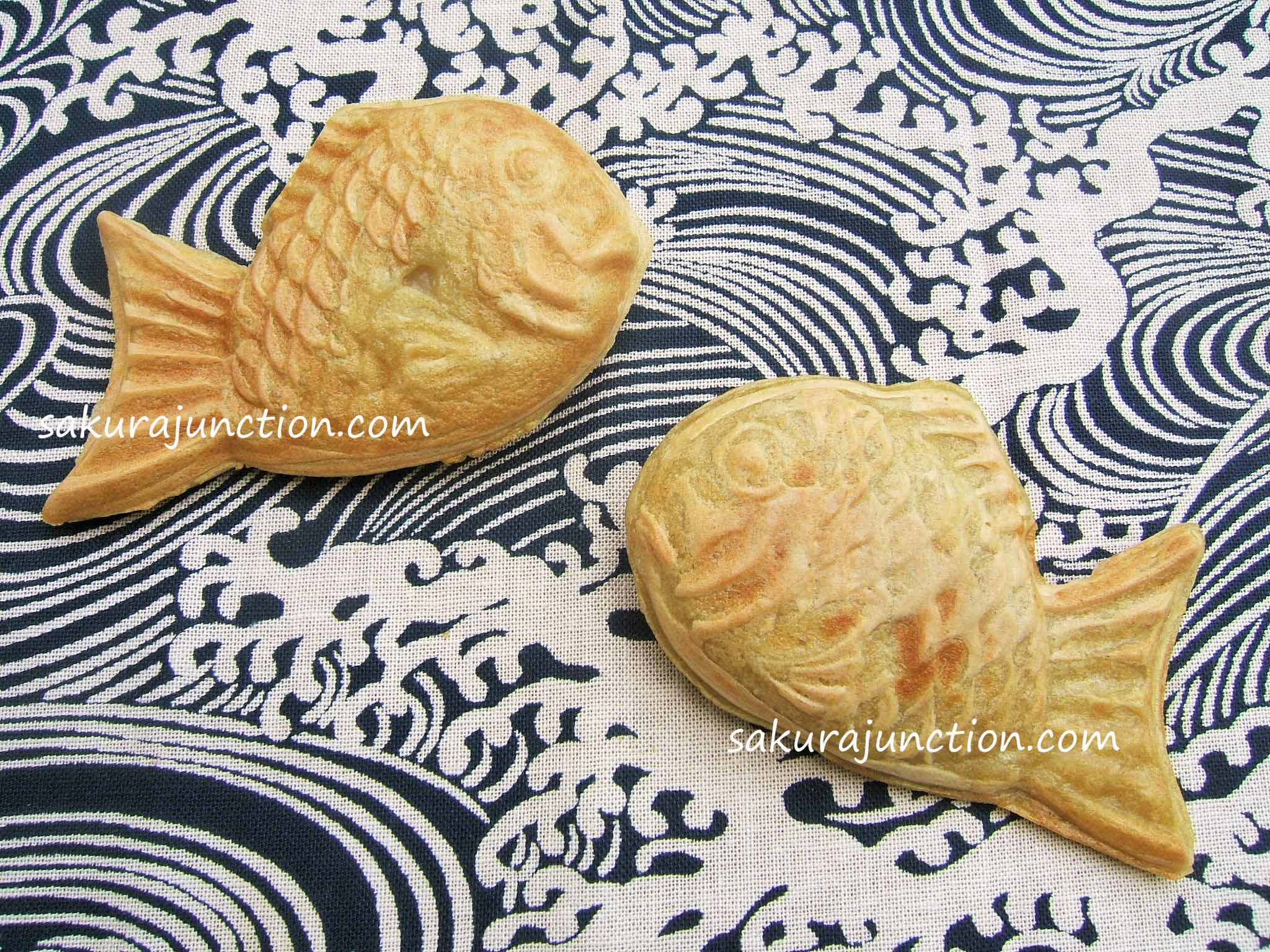
Tai-Yaki & Half-Moon-Yaki            (たい焼き&半月焼き)

Taiyaki in the sea

So my fist post after ‘How to Make Tsubu-An’ is ‘Tai-Yaki’. It is one of the most popular street foods in Japan. The name ‘Tai’ means ‘Sea Bream’ and ‘Yaki’ means ‘something baked or grilled’ in Japanese. Although it is called ‘Tai/Bream’ it has sweet filling, which is normally bean paste, and not having any fish at all. It is just a fish shaped sweet.

It is a waffle like sweet filled with traditionally Tsubu-An centre. Recently people started using some new fillings but Tsubu-An is still the most popular one. That is just because it is the best combination & simply delicious.

Tai-yaki inside

Tai-yaki with Tsubu-An & ‘Shiratama (mochi)’ filling

Continue reading

How to Make Tsubu-An (Anko)

Tsubuan on Plate

Hooray! I can finally post ‘How to Make Tsubu-An’ here, so after this post I will be able to start making more Japanese Sweets and post on this blog.

As I mentioned before ‘An’ (or ’Anko’, they are same thing) is the main component of Japanese Sweets. It is normally a sweet paste made of beans. There are mainly three types of An (Anko) used for Japanese Sweets and they are ‘Tsubu-An’, ‘Koshi-An’ and ‘Shiro-An’.

  • Tsubu-An ; Made of Azuki beans
  • Koshi-An ; Made of Azuki beans, sieved and skins removed
  • Shiro-An  ; Made of white beans, skinned and sieved

Azuki

‘Tsubu-An’ has Azuki bean’s skin left and not sieved so it’s got more of a coarse texture among all the other ‘Anko’. And maybe because of this coarseness it is tended to be used for more casual Sweets. It needs less procedure to make Tsubu-An but that is not the reason I make this type more often. I like Tsubu-An’s texture the most. It is very versatile. If you are interested in making Japanese Sweets, Tsubu-An making is the great place to start.

Continue reading

Tea in the Garden with Two Visitors

Bella

One afternoon we had visitors. This is Bella the Jack Russel. She came to my garden with Liliane for Tea. This was Bella’s first time coming to our garden so she was so excited and explored everywhere. That is why she was covered with some stuff on her body.

So for the Tea I made two things. Sweet Potato Muffins’ and my signature biscuit ‘Kinako Shortbread’.

tea in garden

Continue reading

Kakigori – the Shaved Ice with Mango

Mango Kakigoori

I mentioned about Japanese Summer tradition in food –  ‘Chilled Ramen’ before. There is another Must-Have in Summertime in Japan. That is ‘Kakigori‘ – the Shaved Ice!

Nobori

It is the same as the Chilled Ramen, ‘Kakigori’ also has a traditional Flag to decorate at the entrance of restaurants letting people know that the shop serves it. Apparently the design of this flag has been more or less the same for more than 100 years. The red part in this flag is a Japanese Kanji character ‘氷- Kori‘ which means Ice. The blue part is obviously the sea that is the symbol for Summer and also there for making you feel Cool I believe. And the green part is two birds called ‘Chidori (Plovers)’. Whenever you see this sign you feel the summer is there and you want to have some shaved ice.

Continue reading

Anko Sandwiched Steamed Matcha Cake

amtcha steam cake

This sweet might look like a normal baked Western cake. But it’s not really because …

  1. this is a steamed cake
  2. it’s Dairy Free and also Free from Oil.
  3. Japanese substances are used as main ingredients so it’s ‘Japanese Cake’.

I like steamed cake. It has a much lighter texture than a baked cake. I haven’t eaten any Japanese sweets for a while so my body started craving for something with some ‘Anko’ in it. This is how this cake was born in my kitchen.

a piece of Matcha Stem cake copy

Continue reading

Sisterhood of the World Blogger Award

wpid-tumblr_nndz4jmkxt1tegftro1_1280

Wow, wow wow! Can you believe it? My Blog was nominated for “Sisterhood of the World Blogger Award“. I was reading a post of Japan Can(ada) Mix by Hilary about her nomination. I was enjoying reading her answers to the questions from the previous nominee, Carissa at Everyday Asia until when I reached to the section about the people she was going to nominate. There were three blog names and one of them was … Mine! I was not expecting this at all.

So thank you Hilary, I am very honored and overwhelmed. I started my blog just four months ago without knowing what I had to do as a blogger. I like food. I love particularly making Japanese sweets so I knew I wanted to go into that direction. But it is people who give me warm words and comments that encourage me what I do now. Hilary is one of them. She takes great photos with challenges and her reports in Japanese culture from a foreign point of view are very fresh and amusing to me. I really appreciate Hilary’s praise & encouragement to my blog and hope I can come up to her expectation in a long run.

Continue reading